
Last updated November 16, 2026
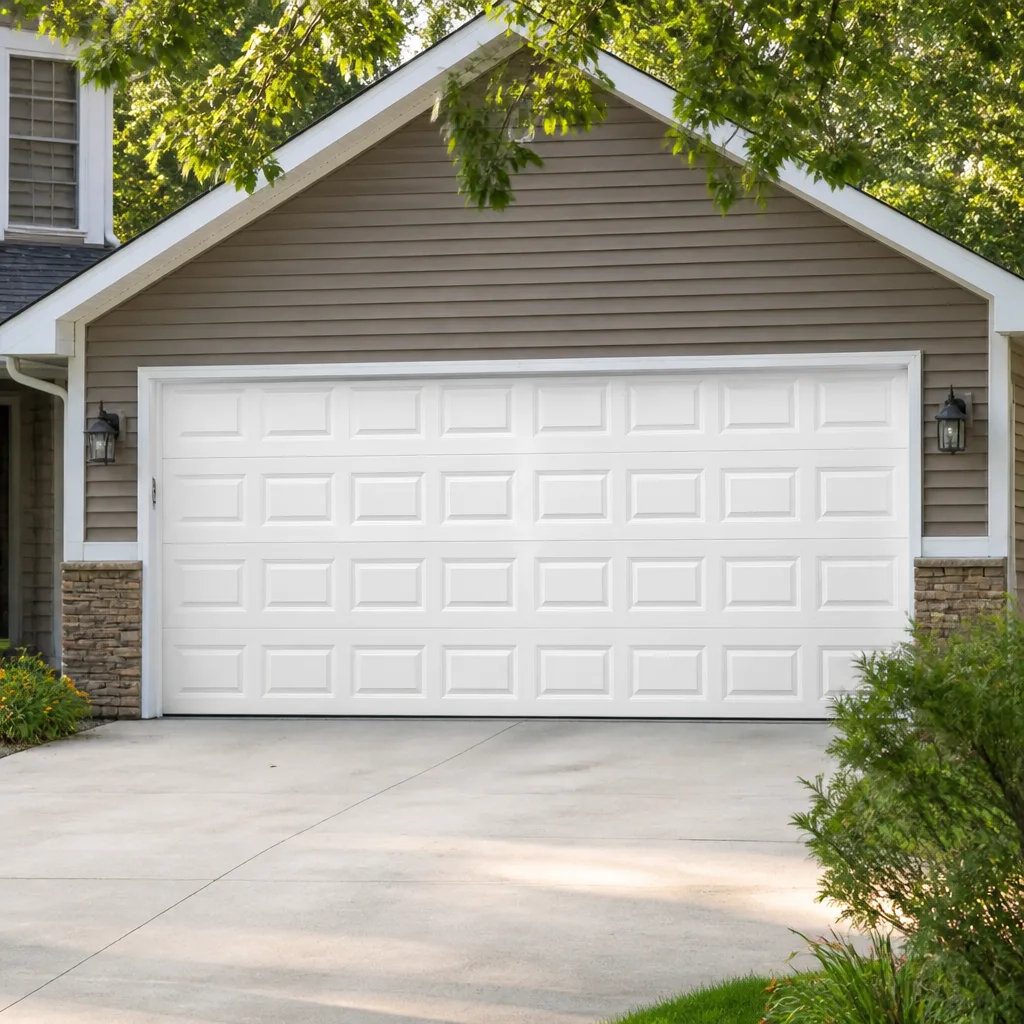 Raised-panel steel
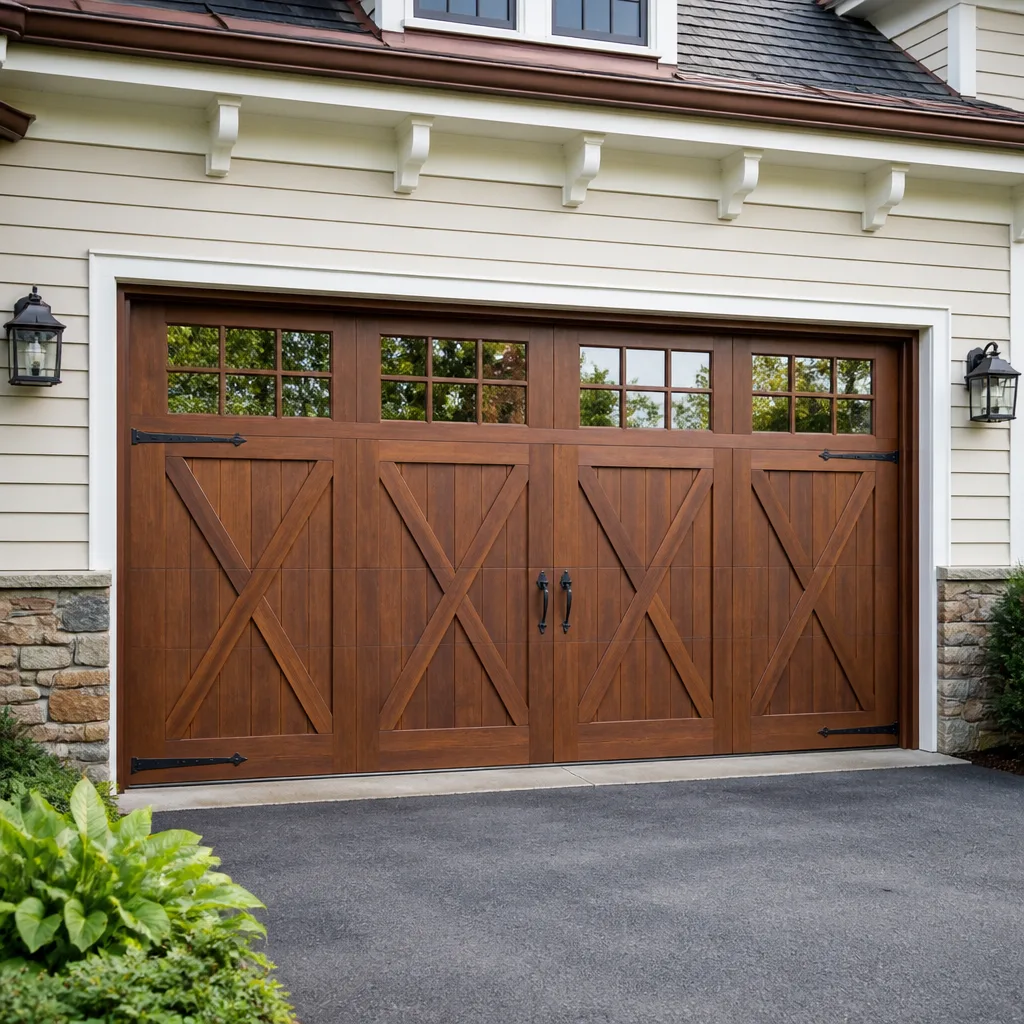 Carriage house
 Modern flush
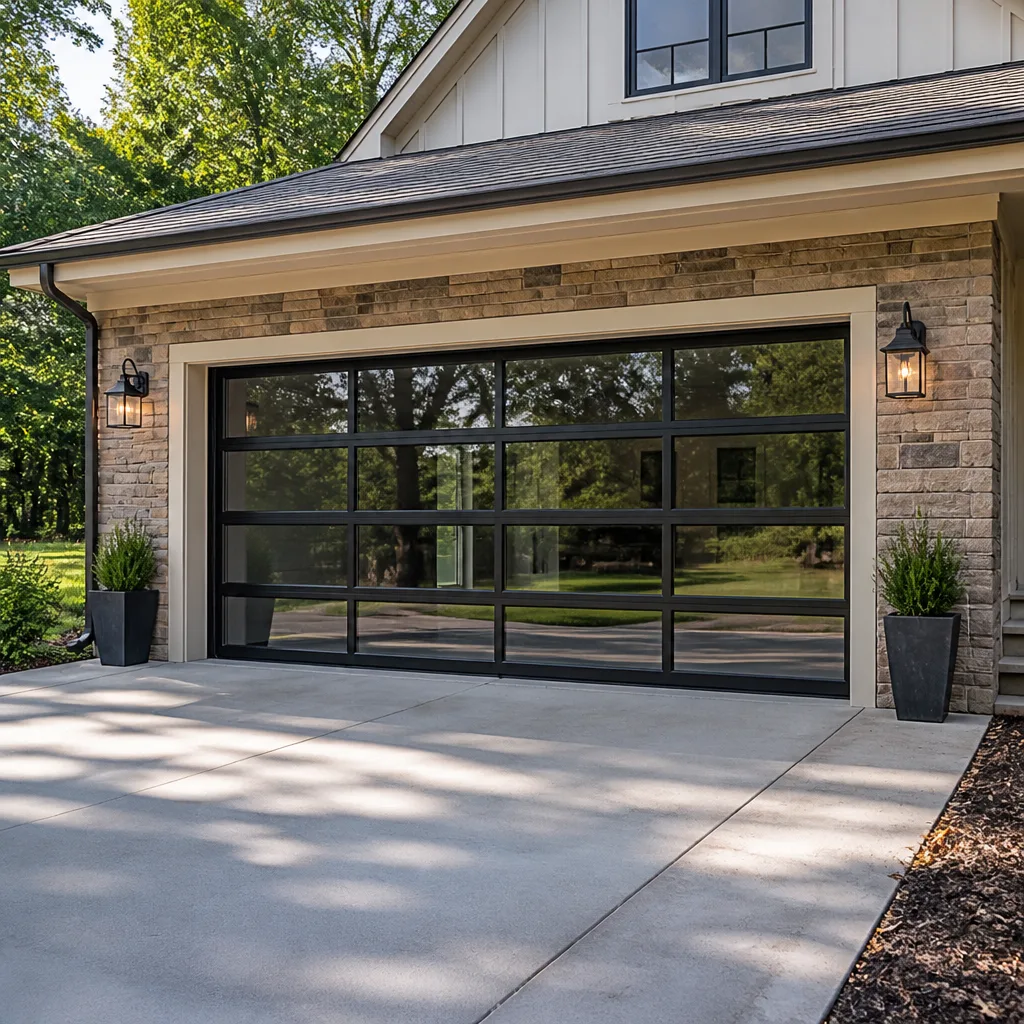 Full-view glass
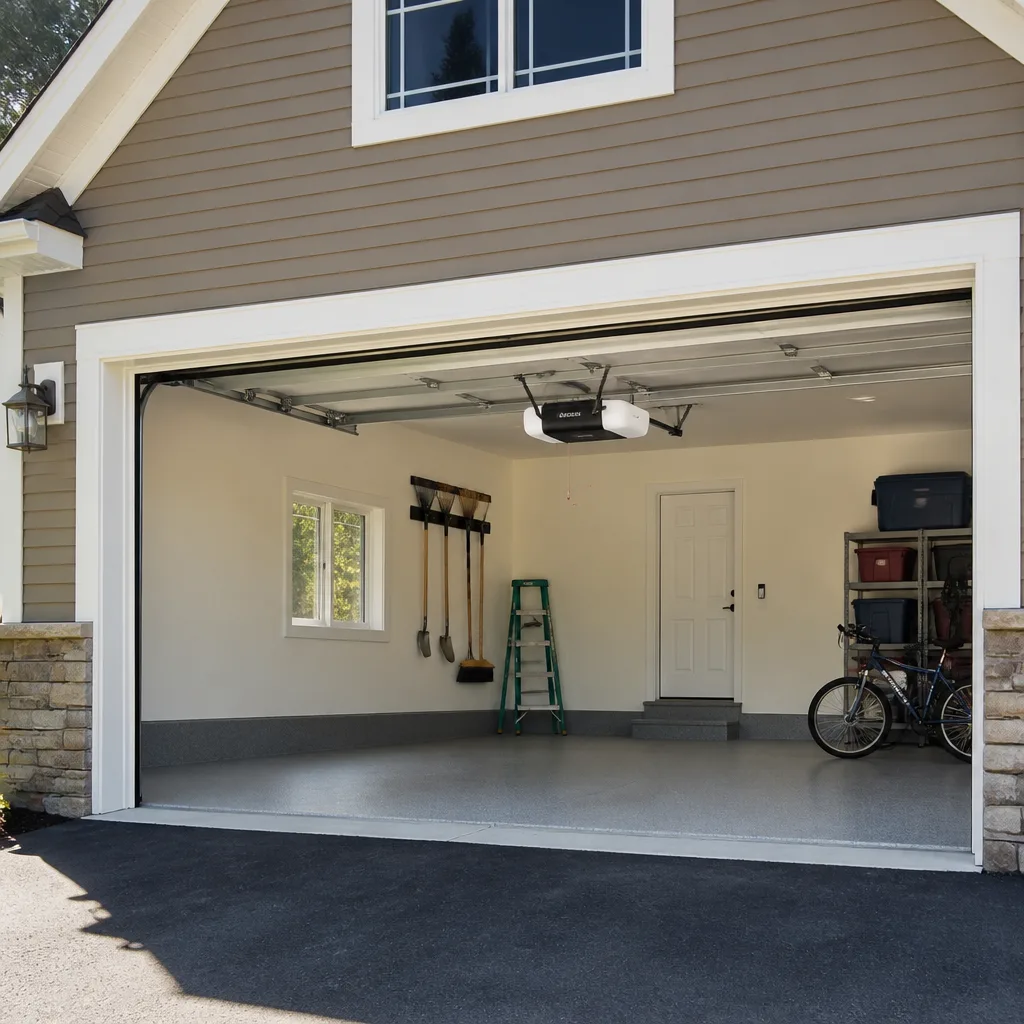 LiftMaster openers
 Chamberlain openers
Full 25-point door and opener safety check with every visit - springs, cables, rollers, tracks, and your LiftMaster or Chamberlain opener included
You get a price before we start. It does not change when the pro arrives.
Get your free estimateGarage Door Permits, Codes & Inspections in Waco, TX: What You Need to Know
Most homeowners assume a garage door swap is like replacing a kitchen faucet: a product gets taken out, a new one goes in, and nobody from the city needs to hear about it. That assumption holds up fine for some jobs in Waco and falls apart for others. The distinction matters more than people expect, because an unpermitted garage door replacement can surface years later during an appraisal or a home sale, and the fix usually costs more than the permit would have. In this guide we’ll walk through when the City of Waco requires a permit for garage door work, what an inspector actually looks at, how Texas windstorm rules interact with Central Texas construction, and what documentation a contractor should be handing you before the first screw goes in.
Quick Answer
A like-for-like garage door replacement in Waco generally does not require a permit, but any job that alters the opening’s structural framing, changes the header, or adds new electrical circuits for an opener does. Inspections focus on the door’s attachment, the spring and track hardware, and life-safety features like the photo-eye reversal system. Texas windstorm requirements apply mainly to coastal counties and don’t govern Waco’s Central Texas zone, though a compliant door still helps at resale and appraisal time.
Styles & brands we work with
- Raised-panel steel
- Carriage house
- Modern flush
- Full-view glass
- LiftMaster openers
- Chamberlain openers
Table of Contents
- When Does Garage Door Work Need a Permit in Waco?
- Like-for-Like Replacement vs. Structural Change
- What a Waco Building Inspector Actually Checks
- Texas Windstorm Rules and Waco’s Central Texas Zone
- How Unpermitted Work Surfaces During a Home Sale
- What Documentation Your Contractor Should Provide
- The Permit and Inspection Process, Step by Step
- Why the Contractor Files the Application, Not You
When Does Garage Door Work Need a Permit in Waco?
The dividing line in Waco comes down to whether the work changes the structure or the electrical system. Swapping a door panel for panel, or replacing one brand of door with a comparable model in the same opening, is treated as a maintenance item. Once the work touches framing, the header above the opening, the track mounting into structural members, or adds a new circuit for the opener, it enters permit territory.
Here’s how the categories usually sort out:
- No permit typically required: A straight replacement of the door and springs in an existing opening, using the existing tracks and mounting points.
- Permit typically required: Widening or raising the opening, replacing a header, reframing the jambs, or converting a manual door to an automatic one with a new dedicated circuit.
- Electrical scope: Running a new circuit from the panel for an opener, or extending an existing circuit to a new location, falls under electrical permitting. That’s separate work from the door itself.
- Structural removal: Taking out a load-bearing post between a single and double bay, even if the new door is the same size, is a structural change and needs a permit and engineering.
A lot of homes in older Waco neighborhoods have openings that were built by hand decades ago, and they don’t always match nominal door sizes. When a technician measures one of those openings and finds the new door won’t fit without trimming the jambs, that’s the moment the job crosses from replacement into modification. It’s also the moment we tell a homeowner to expect a permit. The City of Waco’s building department is the source of truth here, and a quick call before ordering the door saves a lot of back-and-forth. If you aren’t sure whether your project qualifies, garage door repair and replacement questions are worth talking through with a technician who looks at the opening before quoting.
Like-for-Like Replacement vs. Structural Change
“Like-for-like” gets thrown around loosely by contractors, and it’s worth pinning down. It means the new door occupies the same opening, at the same height and width, with the same mounting points, and does not change the structural load on any part of the garage. A Clopay or Amarr door that fits in the existing opening without modifications is like-for-like. A door that requires new tracks mounted to new framing locations is not.
Three things push a job out of the like-for-like category in practice:
- The opening isn’t square. Older homes in Waco often have openings out of true by an inch or more. Correcting that means modifying jambs and usually a permit.
- The header has settled or cracked. A sagging header needs structural work before a new door goes in. That’s a framing permit, not a door permit.
- The door spec changes. Going from a manual door to an insulated automatic model may require a new circuit, and if the door is heavier than the old one, the mounting and spring hardware change with it. That’s usually still within the opening, but the extra weight matters for the attachment.
Texas homes in this climate deal with a lot of heat and humidity, and that works on wood framing over time. When a technician pulls the old door and finds soft wood around the mounting points, the honest answer is that the framing needs attention before a new door gets hung on it. Sometimes that’s a small repair. Sometimes it’s a permit and a carpenter. Either way, the conversation happens before the new door comes off the truck, not after.
What a Waco Building Inspector Actually Checks
Most guides on garage door permits stop at “get a permit and pass inspection.” That leaves out the part that matters most: what the inspector is actually looking at when they arrive. From what we’ve seen on jobs that required a permit, the inspection is short but specific, and it centers on life-safety features rather than door aesthetics.
- The photo-eye reversal system. The safety sensors on either side of the opening must work, must be mounted within the height range the manufacturer specifies, and must reverse the door on contact. This is the single most common failure point on an inspection.
- The auto-reverse function on contact. A properly adjusted door will reverse when it meets an obstruction on the down travel. That’s tested by the inspector with a firm obstruction, and a door that pushes through fails.
- Attachment and mounting. Tracks must be plumb and firmly fastened. The header bracket, spring anchor plate, and bearing plates all get a look, because a door under tension that isn’t anchored properly is a genuine hazard.
- Clearances and labeling. The door must carry the required warning labels, and the opener must have the manual release accessible and functional.
- Electrical connection. If a new opener circuit was pulled, that portion is inspected to code: box mounting, strain relief on the cord, proper grounding, and the disconnect point.
- Springs and cables. The inspector checks that torsion springs and lift cables are the correct type for the door weight and that all fasteners are in place.
What the inspector doesn’t check: the color of the door, cosmetic panel alignment, or whether the homeowner preferred a Chamberlain over a Genie opener. The inspection is about safety and structural soundness, not taste. That’s one reason we tell homeowners to save the aesthetic concerns for their contractor and focus their inspection prep on the reversal system and the label placement.
Texas Windstorm Rules and Waco’s Central Texas Zone
The Texas Windstorm Insurance Association, commonly called TWIA, exists to provide wind and hail coverage in the state’s coastal counties. It requires windstorm inspections on new construction and certain retrofit work in those counties. Waco sits well inland in the state’s Central Texas zone, and TWIA’s mandatory inspection rules for new construction do not apply here.
That distinction trips up homeowners who read a national guide and assume every Texas garage door job needs a windstorm inspection. It doesn’t. What does apply in Waco is the broader value of a door that’s attached to sound framing and rated for the wind pressures the manufacturer specifies. Two reasons that matters:
- Insurance claims. If a garage door fails during a severe Central Texas thunderstorm or wind event, and the insurer finds the door was installed without a required permit or with substandard attachment, the claim can get complicated. Most policies don’t exclude every scenario, but a badly attached door that injures someone or gets breached during a storm is exactly the kind of condition that invites a coverage dispute.
- Appraisal and resale. A door that meets manufacturer specs and passes inspection reads as a properly maintained asset. A door that looks new but has no paper trail on attachment or permit reads as a question mark.
We’ve seen homeowners assume a national brand name like LiftMaster or a particular door series like Raynor is automatically wind-rated for Central Texas. It isn’t, by label alone. Door and opener manufacturers rate their products for specific wind speeds and structural conditions, and the label inside the door or on the opener housing tells you what you have. If you’re rebuilding after storm damage, having a technician verify the rating against the door you own is a better use of time than guessing. Questions about that come up often when we handle garage door opener repair after a storm event.
How Unpermitted Work Surfaces During a Home Sale
Here’s where unpermitted garage door work really bites: it usually doesn’t surface until a home goes on the market. Purchase contracts in Waco, like most of Texas, include a seller’s disclosure. If the seller knows a permit was required and none was pulled, that disclosure gets uncomfortable. If the seller doesn’t know, the buyer’s inspector finds it.
The discovery typically runs through one of these paths:
- Buyer’s home inspection. A good inspector opens the garage door, tests the reversal system, and looks at the mounting. They also note whether the door’s operation suggests a recent replacement, which prompts a request for the permit record.
- Appraisal. An appraiser can’t pull permits, but a recent replacement that isn’t reflected in the property’s recorded history gets flagged to the lender, and the lender may ask for proof of compliance.
- Title or records search. Some lenders and title companies run permit history before closing. Missing permits for structural work surface here.
- Insurance underwriting. A new policy application sometimes asks about recent major work, and an honest “no permit” answer gets the application complicated.
Remediation isn’t glamorous. In most cases it means pulling the permit after the fact, having the door inspected as it stands, and correcting anything that fails. That’s usually the attachment and reversal system, and occasionally the framing. The real cost is time: a sale can stall for weeks while a permit gets issued and an inspection gets scheduled. The cheapest version of a permit is the one you pull before the work, not the one you pull to close a sale.
What Documentation Your Contractor Should Provide
A reputable garage door contractor in Waco should be the one handling the permit application, the inspection scheduling, and the paper trail. That’s not a favor; it’s the standard. A homeowner submitting a permit for a contractor’s work is in a strange position: the homeowner is the one signing an attestation about work they didn’t perform and specifications they didn’t write.
Here’s what to expect:
- A written scope of work that clearly states whether the job is a replacement in the existing opening or a structural modification. This is what determines the permit question in the first place.
- A copy of the permit application with the contractor’s business info and any required license information, filed before work begins.
- Proof of insurance for the crew doing the work, provided before the first day on site.
- The permit itself, once issued, with the inspection contact information on it.
- A final inspection report signed off by the city, and a copy provided to you after passing.
- Manufacturer documentation for the door or opener, including the series and the wind rating, for your records.
If a contractor asks you to submit the permit on their behalf, that’s a red flag. It usually means the contractor isn’t set up to pull permits in Waco, and if they aren’t set up for that, the odds they’ve had work inspected are low. The same goes for insurance: any contractor doing work on a garage door, from a simple spring swap to a full Waco Garage Door Service install, should be able to hand you proof of coverage before a technician touches anything.
The Permit and Inspection Process, Step by Step
The order of operations matters as much as the paperwork. Here’s how a permitted garage door job typically runs in Waco, from first steps to final inspection:
- Site measure and scope. A technician measures the opening and confirms whether the job is a replacement or a modification. This determines the permit requirement before any money changes hands.
- Quote and scope agreement. The written estimate specifies the door, the mounting approach, and whether a permit is included. The price is agreed in writing before the job is scheduled.
- Permit application. The contractor files with the City of Waco building department and any electrical permit if a new circuit is part of the scope.
- Permit issued. The permit number and inspection window are shared with the homeowner. No work starts until the permit is active.
- Installation. Door, tracks, springs, and opener are installed to permit specs. Any structural corrections happen in this window and get documented.
- Inspection. A city inspector visits, tests the reversal system and auto-reverse contact function, checks attachment, and looks at the label placement.
- Close-out. Once passed, the contractor provides the signed inspection copy and a final record of the work. Any punch list items get addressed and re-inspected if needed.
For an unpermitted job, the short version is: the door can often be brought into compliance in a single visit, but the permit and inspection sequencing still has to happen, and the timeline is set by the city’s schedule, not the contractor’s. Homes in Waco that were built decades ago with nonstandard openings sometimes need more attention in step five than a modern home, so budget for the possibility that the framing needs a little work once the old door is down.
Why the Contractor Files the Application, Not You
There are a few jobs around a house where pulling your own permit makes sense: a deck you’re building yourself, a fence, a small electrical addition you’re doing with your own hands. A garage door replacement done by a contractor is not one of those. When a homeowner submits the permit, three things go wrong:
- Liability shifts oddly. The homeowner signs off as the applicant, which can complicate the contractor’s own warranty and any insurance claim later.
- Inspections get rocky. Inspectors expect the contractor on site at a permitted inspection. A homeowner standing in for a contractor’s work is a detail the inspector will notice.
- Documentation gaps multiply. The permit, inspection, and manufacturer information become scattered across two people’s files instead of one.
The cleaner setup is that the contractor owns the whole paper trail from quote to close-out, and hands the homeowner a single packet at the end. That’s how it should work for a replacement, a new install, or even a Waco repair job that crosses into permitted scope because of framing. If a contractor asks you to pull the permit, ask them why. Not always because the answer is bad, but because their answer tells you a lot about how they run the rest of the job.
Common Mistakes to Avoid
- Skipping the site measure. Ordering a door based on a phone conversation before anyone has measured the opening is the fastest route to a door that doesn’t fit, and to a modification that needs a permit you weren’t planning to pull.
- Assuming “new door” always means “no permit.” Most of Waco’s residential replacements don’t need one, but the ones that do tend to be the structural jobs where the door spec changed. Ask the question before you order.
- Pulling the permit yourself for a contractor’s work. This shifts liability in ways that make a warranty or insurance claim messier than they should be. The contractor should be the applicant.
- Replacing the door and keeping old, mismatched springs. If a heavier door goes into the existing opening, the spring system has to change with it. Reusing the old springs is a common shortcut, and it fails quickly in Waco’s summer heat.
- Assuming a premium brand name means wind-rated. A door labeled for a specific wind rating has to be installed to that rating’s spec. The label on the door and the mounting method have to match.
- Doing spring or cable work without training. Torsion springs and lift cables are under high tension. A mistake can cause serious injury. This is not a task for a homeowner with a set of wrenches, no matter how many videos have been watched.
- Waiting until the sale to pull the permit. Doing it after the fact is more expensive in time and hassle than doing it before. Nobody’s opening offer gets better because of a missing permit.
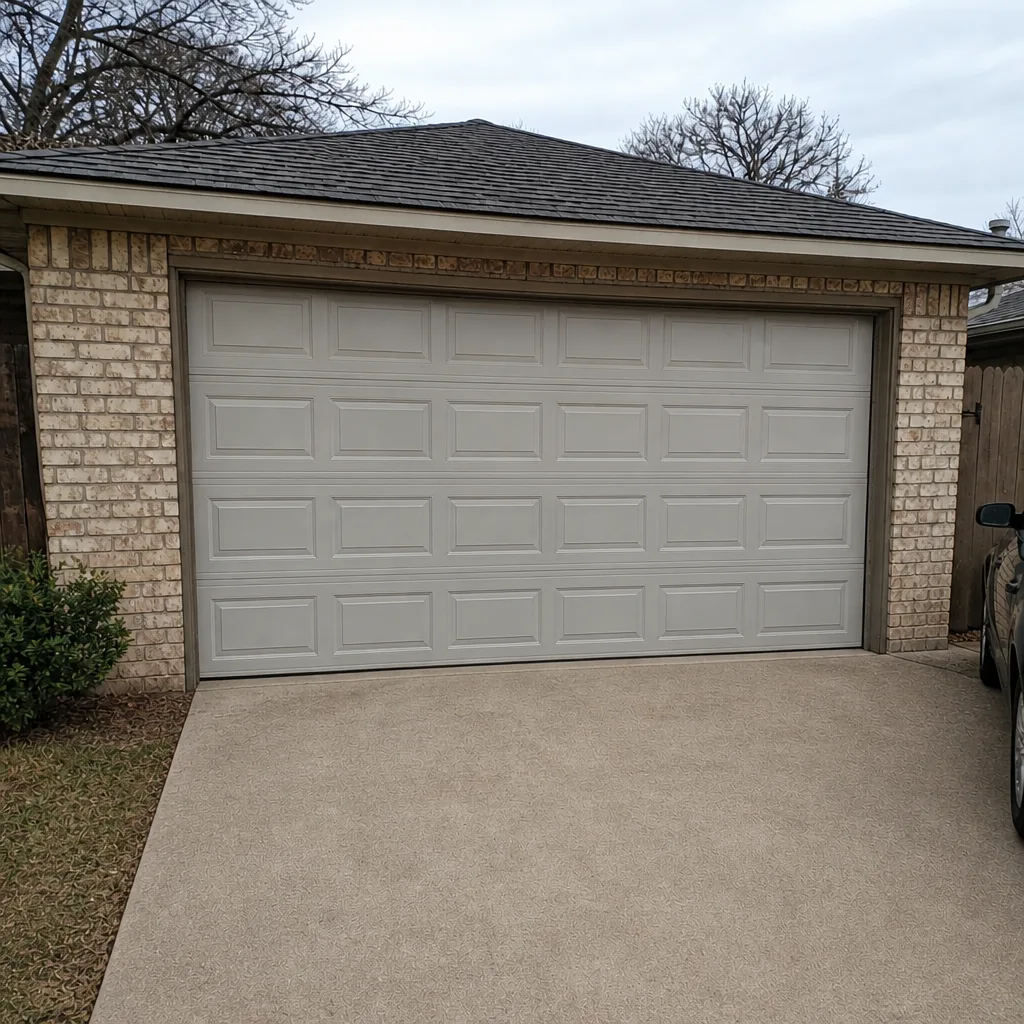
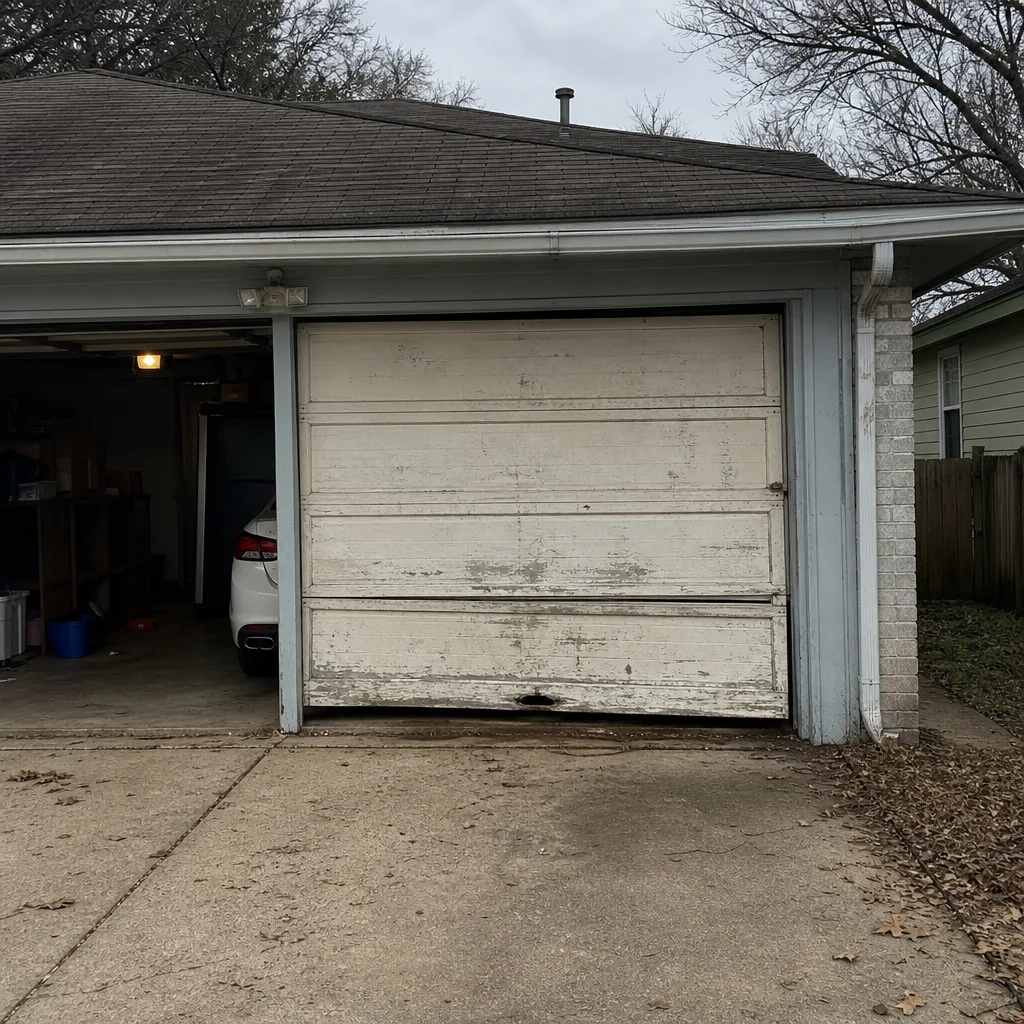
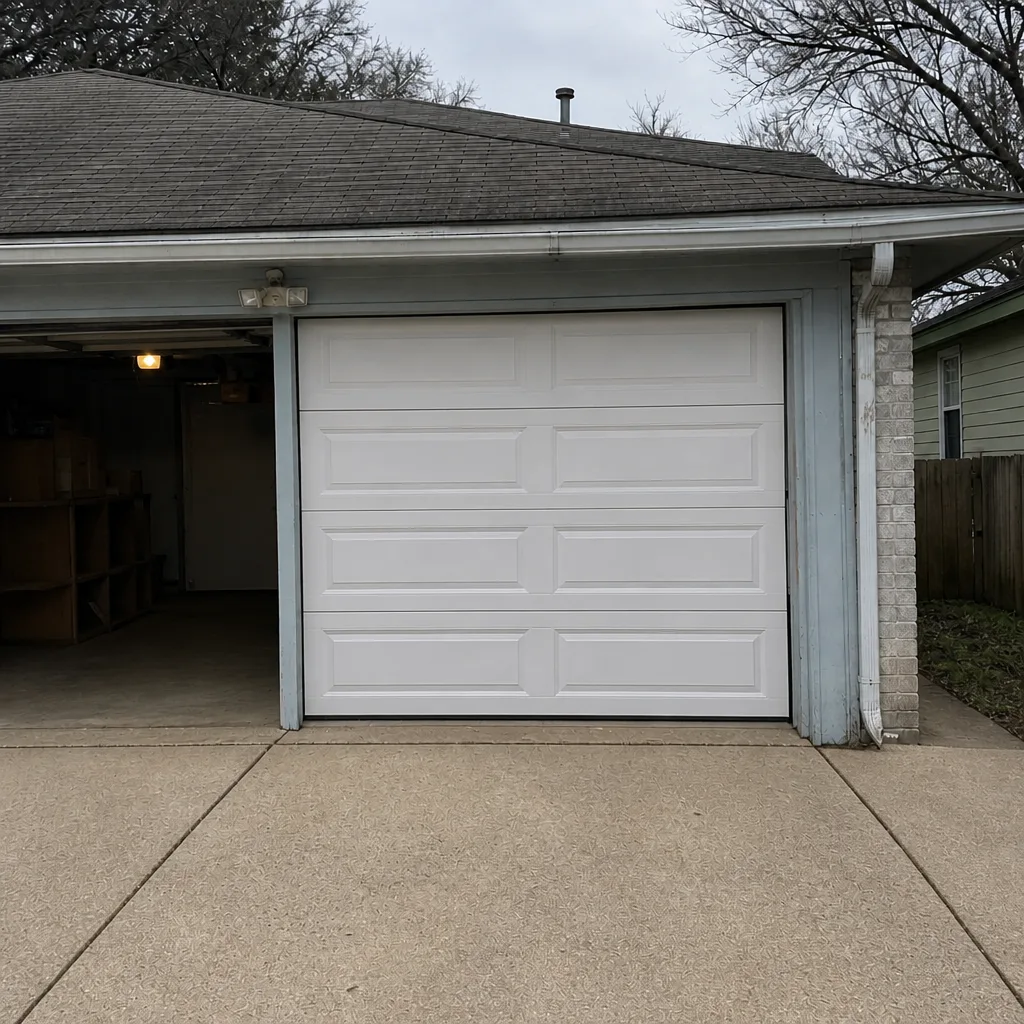
See the difference
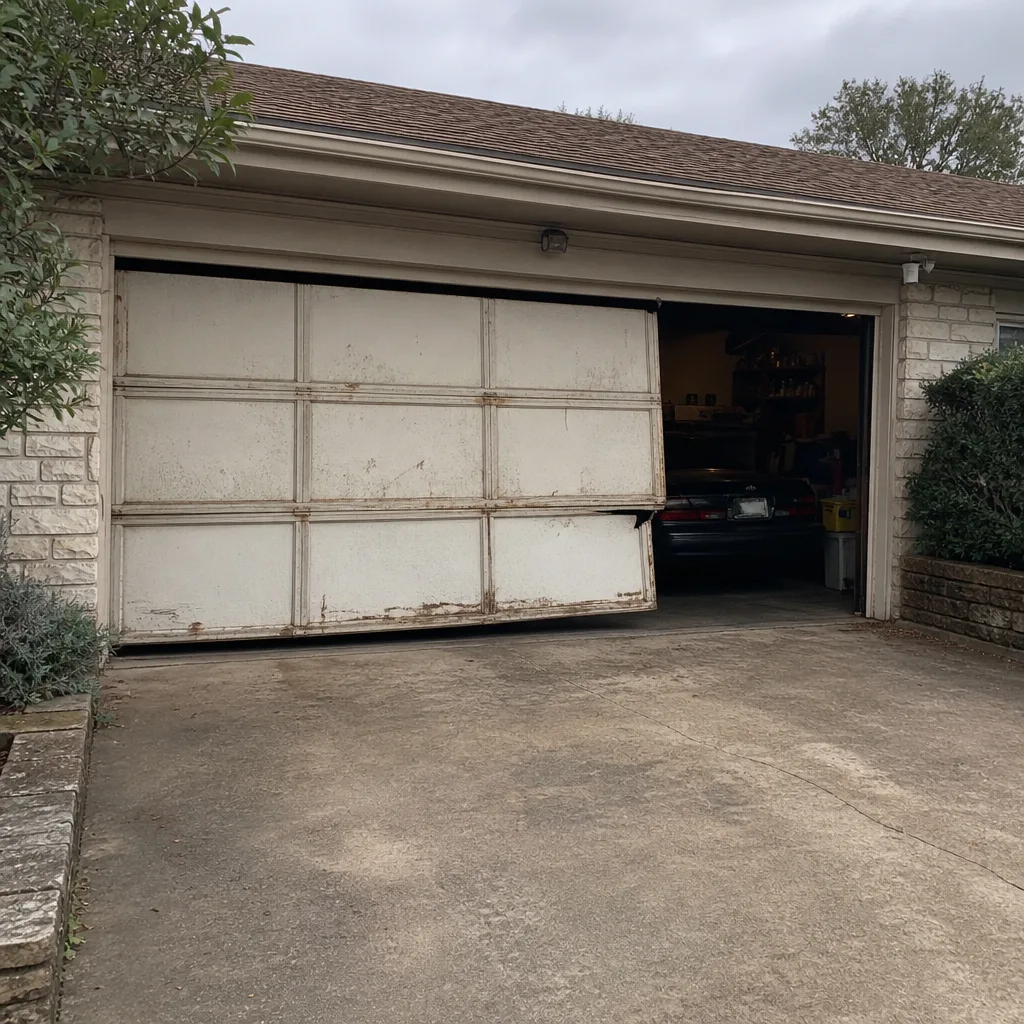 Before
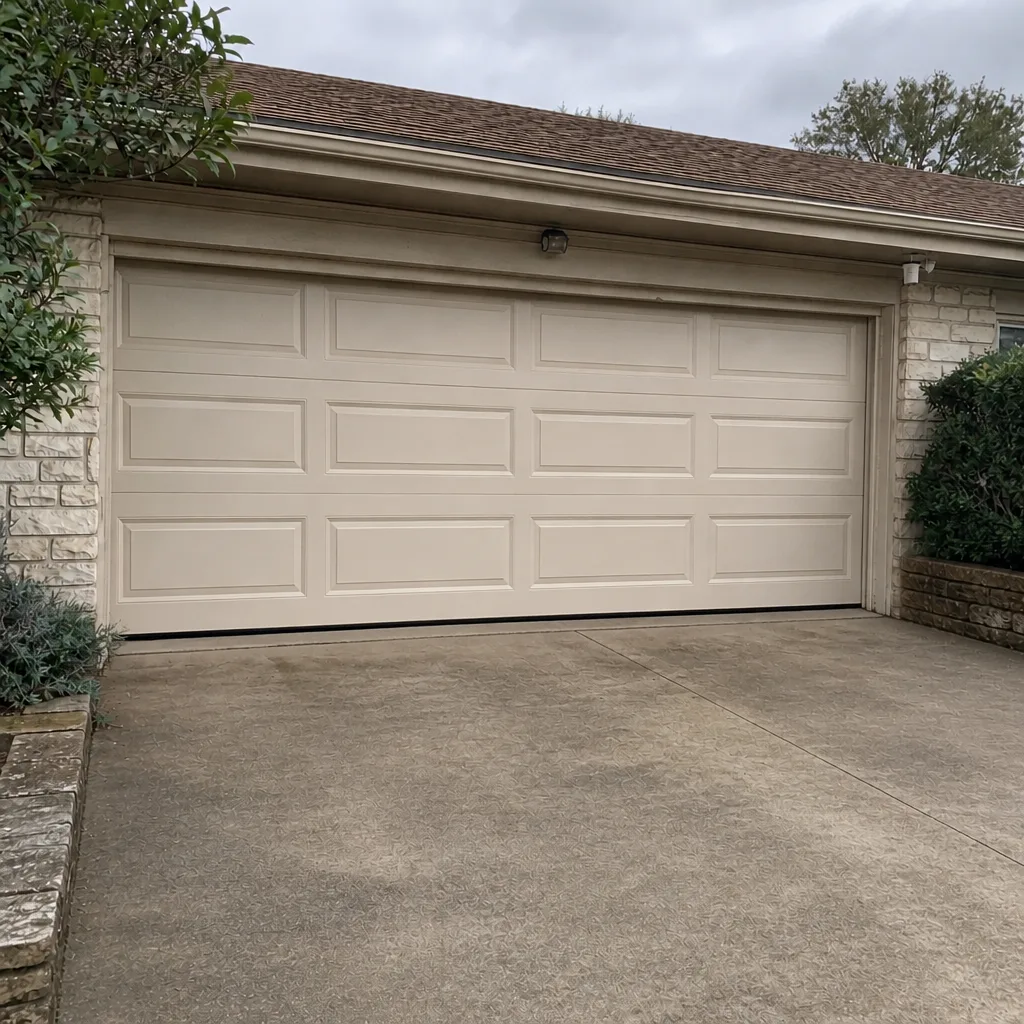 After
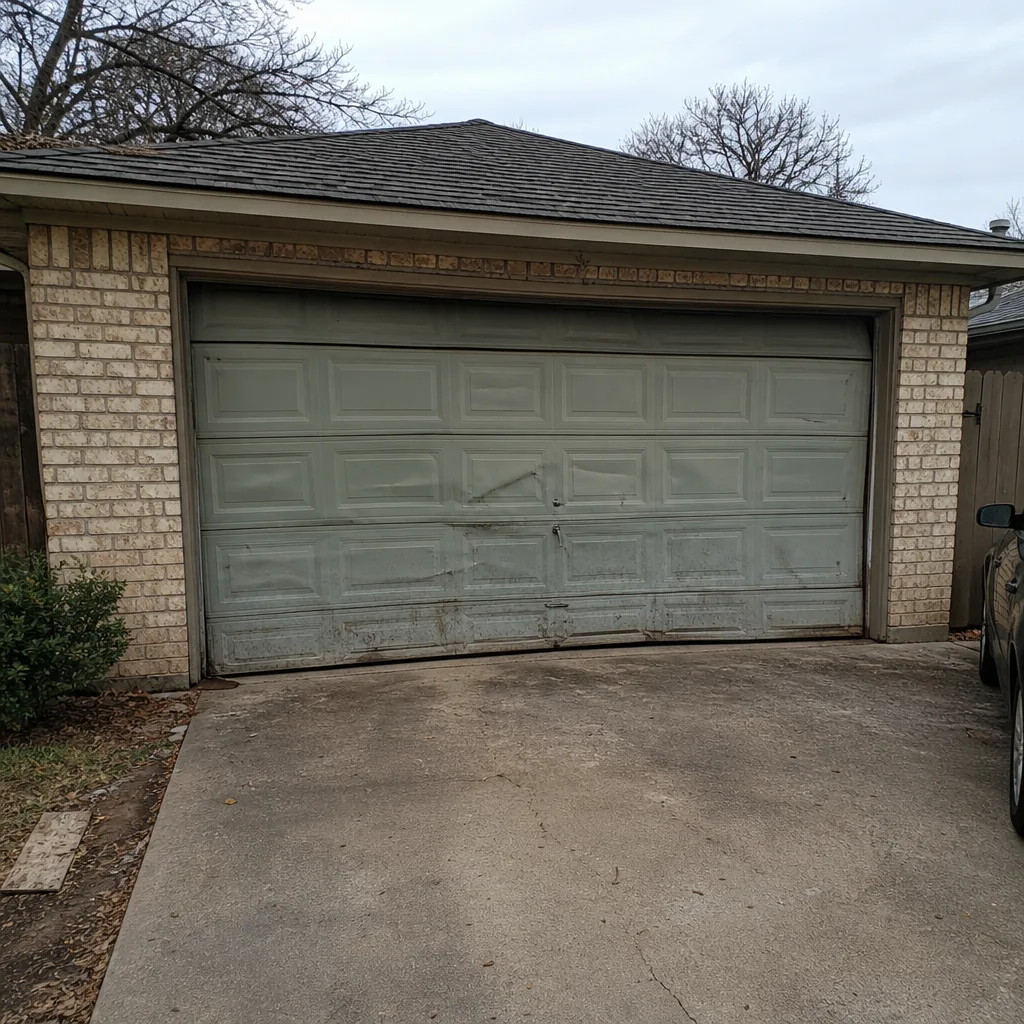 Before
 After
 Before
 After
When to Call a Professional
Call a garage door technician for any job that involves opening a spring or cable, running a new circuit to an opener, or making structural changes to the opening. Springs and cables are under tension that can cause serious injury without proper tools and training. Electrical work on a new opener circuit belongs with someone who knows the code requirements. And any structural change to the opening needs a permit and usually engineering. Waco Garage Door Service offers free estimates in Waco – call (855) 916-7192.
Our technicians have up to 11 years of experience across the brands most Waco homes already have installed: LiftMaster, Chamberlain, Genie, Clopay, Amarr, Wayne Dalton, Craftsman, and Raynor. We work on the door and opener that’s already there. Repair first is our default, and full replacement is only the recommendation when the door genuinely needs it. If you aren’t sure whether your project crosses into permit territory, that conversation is worth having before you order a door.
Frequently Asked Questions
Usually not, if the new door goes into the existing opening with the same mounting points and no changes to framing or electrical. A permit is typically required when the opening gets resized, the header or jambs get modified, or a new circuit is added for an opener. Ask the City of Waco building department to confirm the specific scope of your project. Call (855) 916-7192 for a free estimate and a scope review before you decide.
It’s a short, focused visit that tests the safety features and checks attachment. The inspector tests the photo-eye reversal, the auto-reverse on contact, the attachment of tracks and springs to framing, and the placement of the warning labels. If a new opener circuit was pulled, that portion is inspected to electrical code. It isn’t a cosmetic review, and the most common failure is a misaligned or dirty photo-eye sensor. Call (855) 916-7192 if your door needs attention before an inspection – estimates are free.
Remediation depends on what needs correcting, and a contractor quote is the only way to know for a specific job. Most cases involve pulling a permit after the fact, having the door inspected as it stands, and correcting the failed items, which are usually the reversal system, the attachment, or the framing. The bigger cost is often the delay during a sale. Call (855) 916-7192 for a free estimate on the remediation before a closing date gets stressed.
No. TWIA’s mandatory windstorm inspection rules apply to coastal counties, and Waco is in the state’s Central Texas zone, well inland. That doesn’t mean wind rating is irrelevant. A door that’s rated to the manufacturer’s spec for your opening and attached correctly is what matters for Central Texas storms and for resale. Call (855) 916-7192 if you’re not sure what rating your door or opener carries – estimates are free.
The contractor should handle the permit application, inspection scheduling, and close-out. A homeowner submitting a permit for a contractor’s work puts the homeowner on record for a scope they didn’t write, which can complicate the contractor’s warranty and any insurance claim later. If a contractor asks you to pull the permit on their behalf, that’s worth asking questions about. Call (855) 916-7192 for a free estimate with a clear scope of work.
Repairs stay within the existing system: a spring swap, a cable replacement, an opener control board, a frayed track bolt. Replacements stay permit-exempt as long as the opening and mounting points don’t change. Once the job touches framing, changes the opening’s size, or adds an electrical circuit, it usually needs a permit. If you’re not sure which category your job falls into, call (855) 916-7192 – estimates are free, and a technician will tell you before any work is scheduled.
The Bottom Line
Most garage door replacements in Waco don’t need a permit. The ones that do tend to be structural or electrical jobs, and those are exactly the ones where skipping a permit costs the most at resale. A quick verification of your job’s scope before you order the door, a contractor who owns the permit and inspection paperwork, and a technician who understands what the inspector is checking are the three things that keep your project clean. If you’re unsure where your job lands, a five-minute conversation with a technician is the cheapest part of the process.
Call Waco Garage Door Service at (855) 916-7192 for a free estimate. We answer 24/7. Fast dispatch from 7am to 7pm, Sunday through Friday, closed Saturday.
Written by the team at Waco Garage Door Service.