
Last updated November 16, 2026
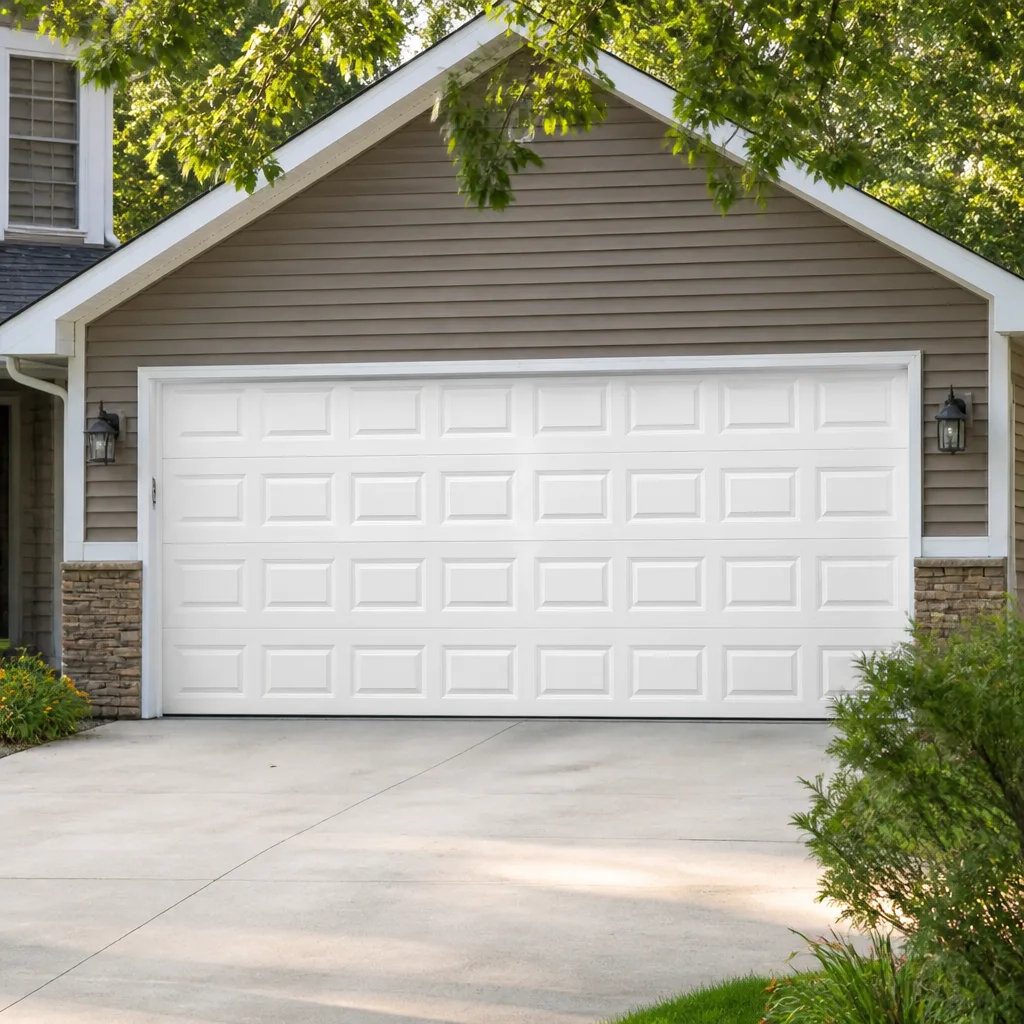 Raised-panel steel
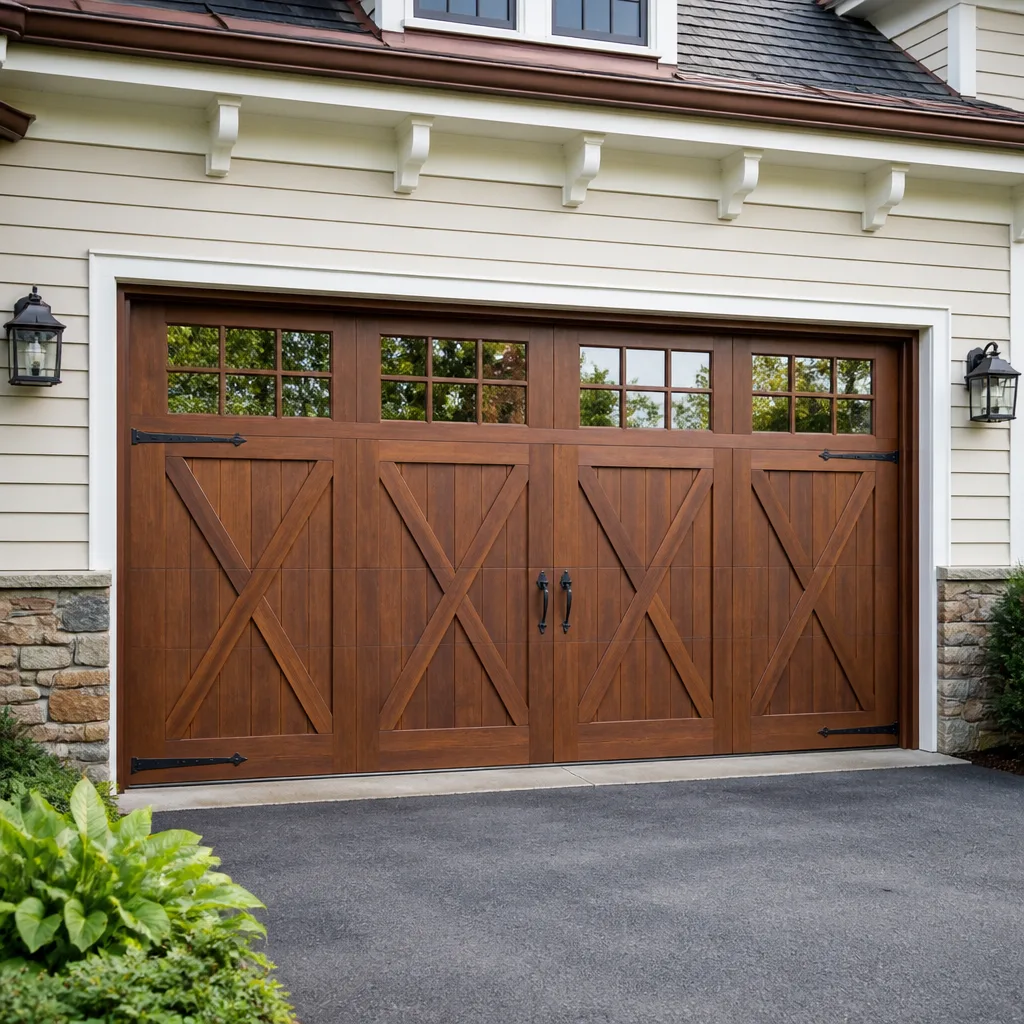 Carriage house
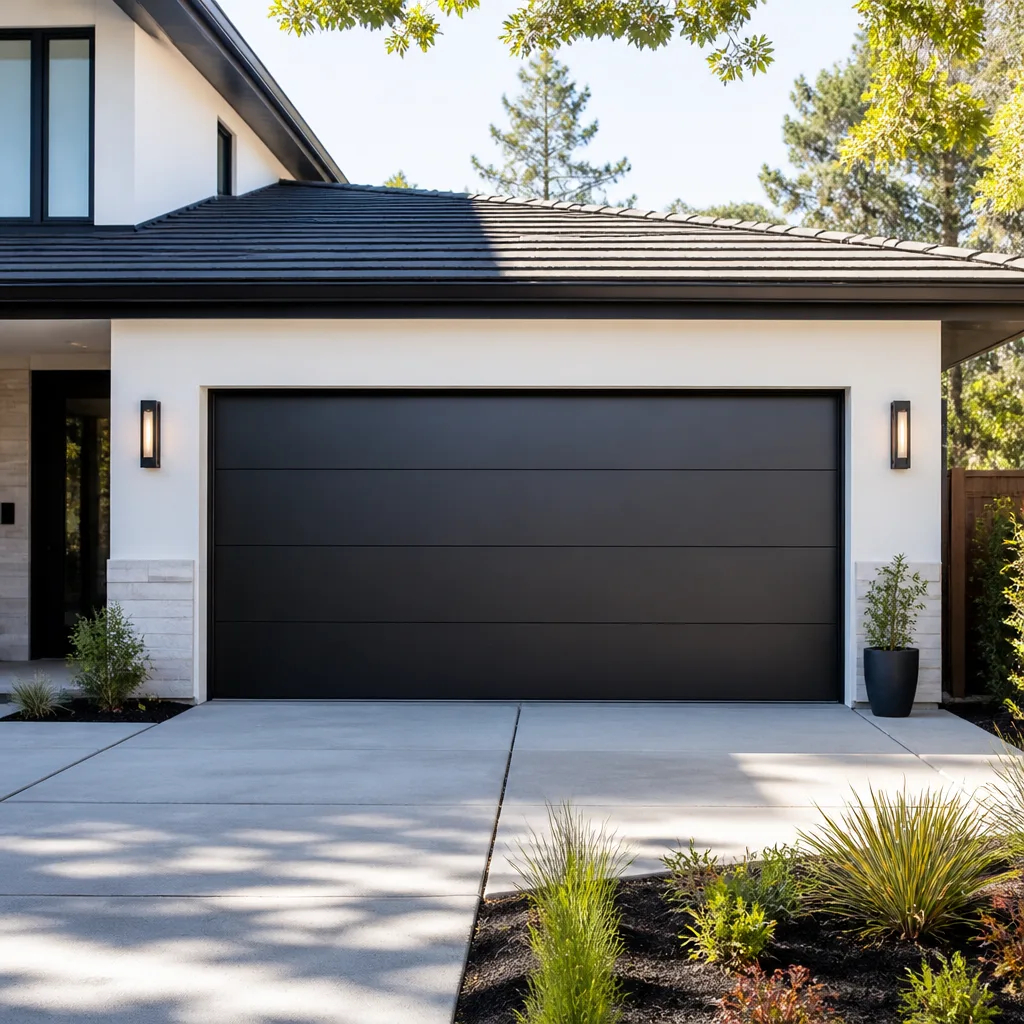 Modern flush
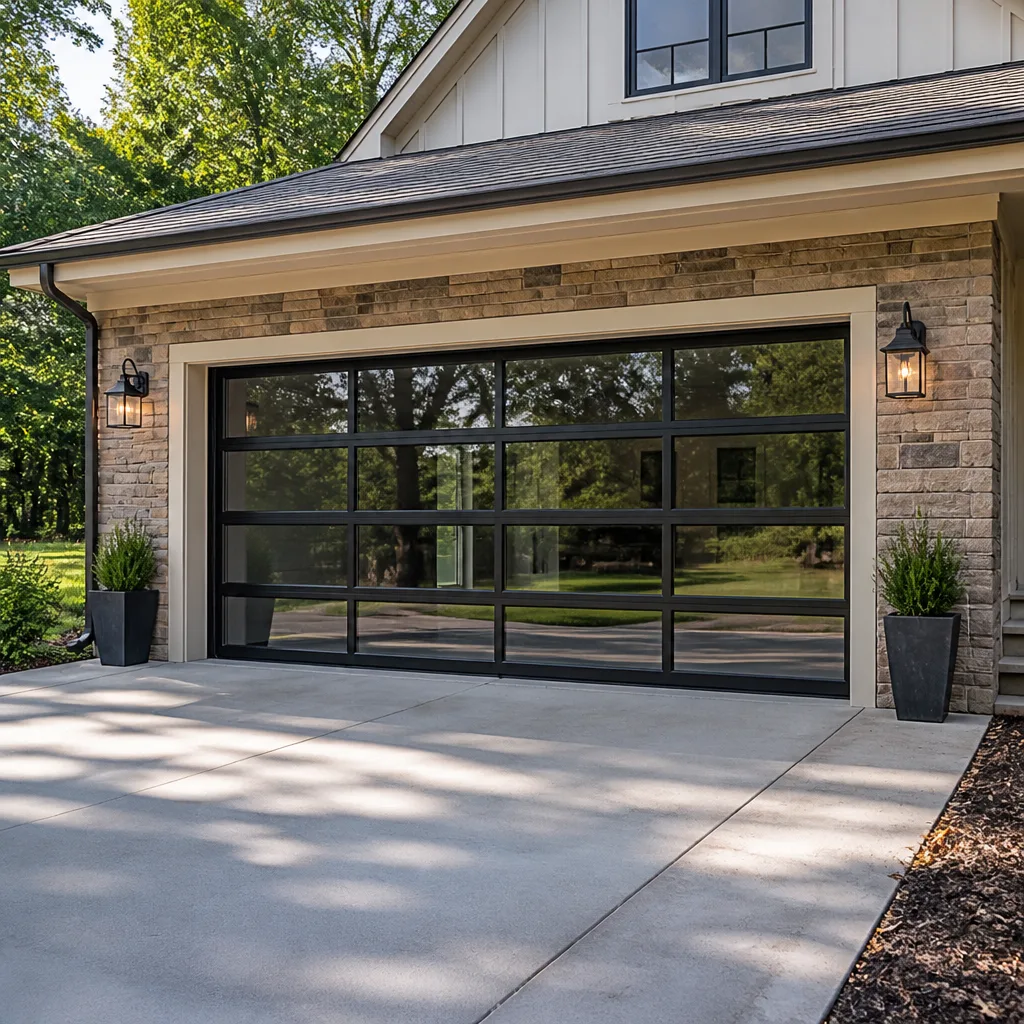 Full-view glass
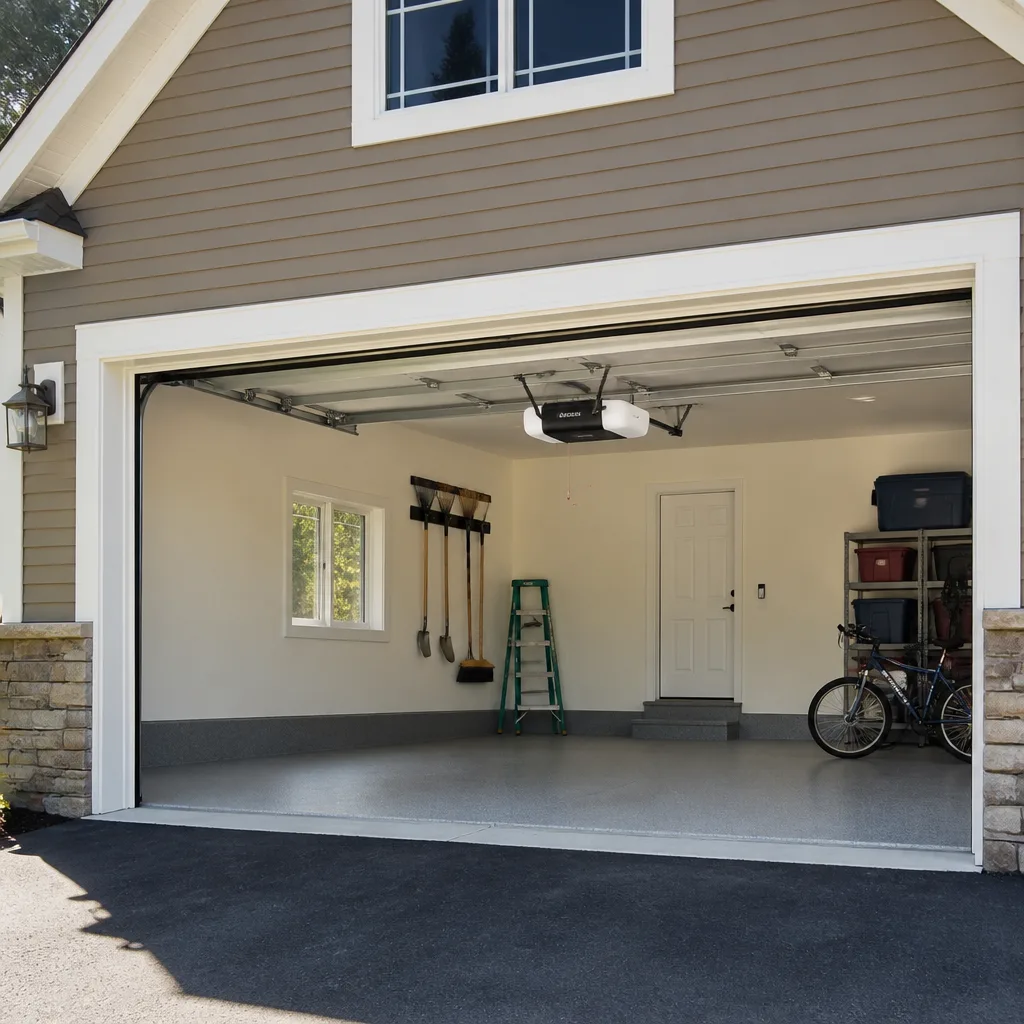 LiftMaster openers
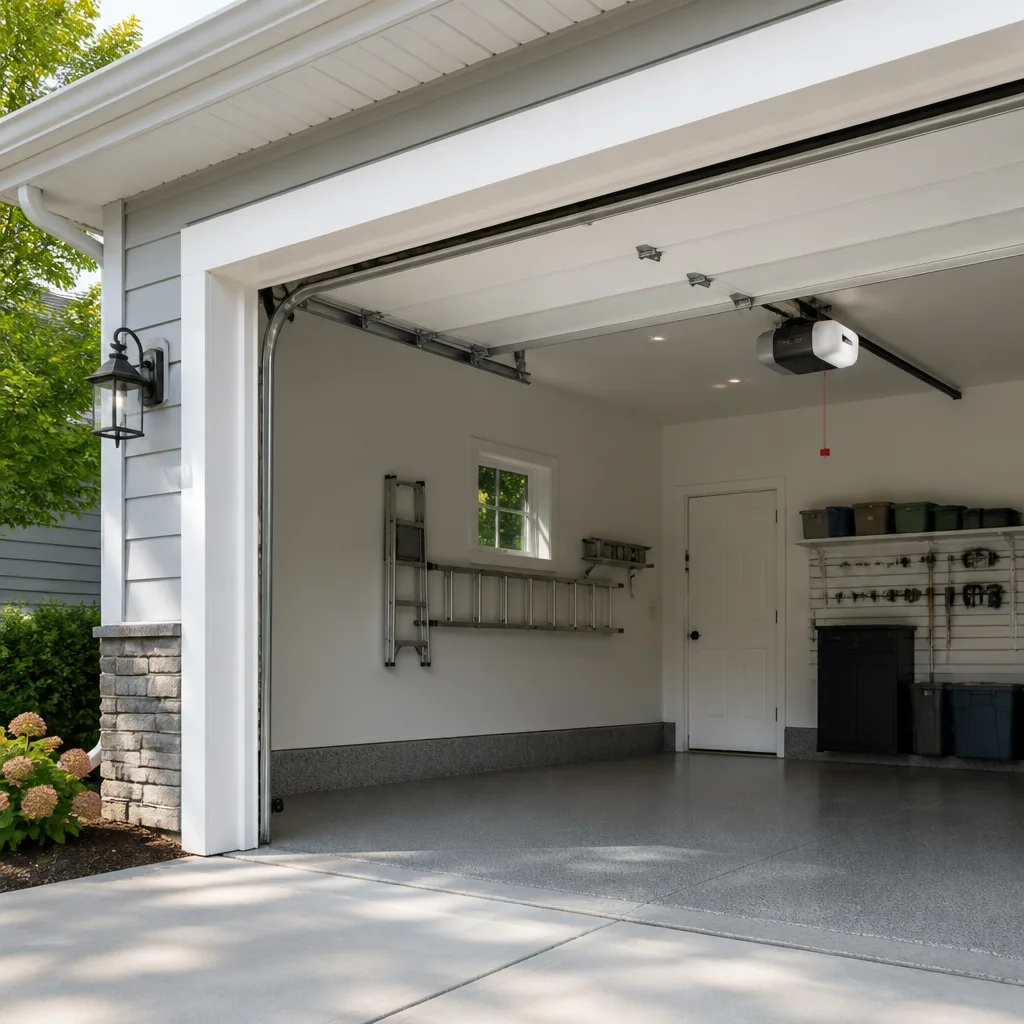 Chamberlain openers
Full 25-point door and opener safety check with every visit - springs, cables, rollers, tracks, and your LiftMaster or Chamberlain opener included
You get a price before we start. It does not change when the pro arrives.
Get your free estimateGarage Door Repair Maintenance Schedule: What to Do and When
Most garage door advice you’ll find online was written somewhere with four seasons and a long, cold winter. Waco doesn’t get that. What we get is heat that sits over 100 degrees for weeks, sudden cold snaps that show up fast, and dust that finds its way into every moving part on the door. That combination wears a garage door differently than the national guides assume, which is why a generic “lubricate twice a year” tip is nearly worthless here. Your springs, rollers and opener work harder in this climate, and they fail on a schedule the generic advice doesn’t match. This guide lays out a maintenance calendar built for how doors actually age in Waco, and shows you what to check, when, and what to leave alone.
Quick Answer
In Waco, a garage door needs lubrication every three months, a five-minute visual inspection every month, and a full hardware check before summer heat sets in (April) and again after the first hard cold snap (February). Torsion springs, cables, and opener force settings should be checked by a trained technician once a year, because those are the parts that fail with real safety consequences and can’t be tested by eye alone.
Styles & brands we work with
- Raised-panel steel
- Carriage house
- Modern flush
- Full-view glass
- LiftMaster openers
- Chamberlain openers
Table of Contents
- The Waco Garage Door Maintenance Calendar, Month by Month
- What to Lubricate and What to Leave Alone
- How to Spot a Failing Torsion Spring Before It Breaks
- The Five-Minute Monthly Walk-Around Checklist
- Maintenance by Door Type: Wood, Steel and Insulated
- Opener Care: Brands, Belts and Smart Electronics
- Common Mistakes to Avoid
- When to Call a Professional
The Waco Garage Door Maintenance Calendar, Month by Month
Garage door maintenance in Waco follows the weather, not a calendar of holidays. The two high-stress points for your door are the start of summer, when the metal heats up and expands, and the first hard freeze, when it contracts again. Everything in this schedule works around those two events. Here’s how a year of maintenance looks for a typical Waco home.
- January: Clear dust and grit from the tracks with a dry cloth. Central Texas dust collects fast, and grit in the track grinds the rollers every time the door moves.
- February (post-freeze inspection): After the first hard cold snap of the season, walk the door carefully. Check for gaps in the torsion springs, sagging panels and any track that has shifted. Metal contracts in cold, and a door that ran fine in December can sound off-key after a freeze.
- March: Test the auto-reverse and photo-eye safety features. Clean and align the sensors. Tighten any loose bolts on the hinges and brackets.
- April (pre-summer heat prep): Lubricate hinges, rollers with steel bearings, torsion springs and the track. This is the single most important service of the year in Waco. It’s the one most people skip, and it’s the one that prevents the most expensive spring failures.
- May through June (storm-season hardware check): Central Texas storm season brings wind and hail. Check the weatherstripping along the bottom and sides for cracks, verify the track is still plumb, and look for loose panel fasteners after any big wind event.
- July through August: Repeat the five-minute visual inspection. Watch for opener strain. Heat makes the door heavier to lift, and an opener that grunts through a lift in August is telling you something.
- September through October: Lubricate again. Check the balance of the door. Re-clean the sensors before the shorter days make misaligned sensors more of a hassle.
- November through December: Full hardware check. Inspect the bottom seal for wear before the cold snaps arrive. Tighten any bolts that worked loose during the summer.
If you own a wood door, add a panel and weatherstrip check to every month on this list. If you have an insulated door, add a track-alignment check after every significant temperature swing. We’ll cover both in detail below.
What to Lubricate and What to Leave Alone
The right lubricant on the right part matters more than how often you apply it. Put the wrong product on the wrong component and you’ll attract dust, gum up the mechanism, or make the problem worse. Here’s a simple breakdown of what gets what.
- Lithium grease or white lithium spray: Hinges, rollers with steel bearings, the torsion spring coils, the bearing plates and the track where the rollers ride. A light coat is enough. Thick globs attract dust, and Waco has plenty of that.
- Silicone spray: The weatherstripping along the bottom and sides of the door, and the rubber seals on the opener rail. Silicone keeps rubber soft and pliable without degrading it.
- Never lubricate: Nylon rollers. The nylon wheel is designed to run dry. Grease on a nylon wheel collects grit and wears it out faster. Also skip the opener’s drive gear or belt. Those are sealed and don’t take lubrication.
- Never use: WD-40 as a general-purpose door lubricant. It’s a solvent, not a lasting grease. It will thin out and leave the mechanism dry within days. Cooking spray and motor oil are also poor choices because they attract dust and drip onto your car.
We recommend a light application every three months in Waco. If you live near the edges of town where the wind carries more dust (much of the west side sees this), lean toward every two months. If the door lives under a carport rather than a closed garage, more frequent cleaning matters more than more frequent greasing.
Want a technician to handle the lubrication and a full safety check in one visit? Our garage door repair service covers tune-ups, repairs and adjustments in a single appointment, and the price is set by a written estimate before any work begins.
How to Spot a Failing Torsion Spring Before It Breaks
Torsion springs are the two tightly wound coils mounted above the door. They carry most of the door’s weight, so a broken spring is dangerous. The good news is that springs almost always show warning signs before they let go. Here’s what to look for, from a safe distance and with the door closed.
- Gaps in the coil: A healthy spring contracts evenly. If you see a gap in the coil – a segment that looks more open than the rest – the spring is fatigued and running unevenly.
- Rust or color striping: Orange or reddish stripes along the coil are often the first visible sign of a spring that’s losing tension. A spring that’s rusted all the way through is at the end of its life.
- Uneven tension: When you manually lift the door, it should feel balanced, not heavy on one side. A door that pulls hard on one side is putting uneven load on one of the springs.
- Loud pops or bangs when the door moves: A sharp report when the door opens is the classic sound of a spring failing.
- A door that feels extremely heavy: If you have to put real effort into lifting it by hand, the springs aren’t carrying their share of the load.
A word of caution, and it’s an important one. Torsion springs are wound under hundreds of pounds of tension. Do not attempt to adjust, tighten or remove them yourself. That’s genuine injury risk, not a project that just takes patience. If you spot any of the warning signs above, call a trained technician for an inspection.
Our technicians have up to 11 years of experience checking and replacing springs safely, and they can measure what tension your door actually needs rather than guessing by looking at the old spring. In summer heat, springs fatigue faster. That pre-summer lubrication in April does real work to slow it down, but it doesn’t stop a tired spring from breaking eventually.
The Five-Minute Monthly Walk-Around Checklist
This is the check you can do yourself in five minutes without tools. It covers the components that matter most for safety, and it’ll catch most small problems before they turn into expensive ones. Do it with the door closed, then again with the door open. You’ll get to know the sound and feel of a healthy door in Waco, and you’ll notice when something changes.
- Cables: Look at the steel cables on both sides of the door. They should be taut, straight and free of fraying. A slack cable or a stray strand means trouble.
- Rollers: With the door closed, look up at the rollers inside the tracks. They should sit snugly and spin freely. A wobbly or flat-spotted roller is a replacement candidate.
- Weatherstripping: Look at the rubber seal along the bottom edge and the sides. Cracks, tears or a gap that lets daylight through means the seal is letting in water and dust.
- Sensor alignment: Press the opener button to close the door, then wave your foot or a broom handle across the sensors at the floor level. The door should stop and reverse immediately. If not, the sensors are misaligned or dirty.
- Obstacle detection: Place a small object in the door’s path at knee height and press the close button. A healthy opener reverses when it meets resistance. If it pushes down on the object, the force setting is too high.
- Balance test: Pull the emergency release handle with the door closed, then lift the door halfway by hand and let it go. It should stay there. A door that slides down or feels heavy needs a technician to adjust the spring tension.
If you’re short on time, the balance test and the sensor test are the two most important ones. They cover the two safety systems that stop a door from crushing something underneath. Everything else can wait for the next month.
Maintenance by Door Type: Wood, Steel and Insulated
Not all doors age the same way. The material and construction change how often you need to check certain parts, especially in central Texas weather. Here’s how the schedule shifts by door type.
Wood doors
Wood moves with humidity, and Waco’s swings from dry summers to humid springs will cause panels to expand and contract. Owners should check the finish, the joints and the weatherstripping every month, not every season. Look for splitting, paint failure or gaps at the joints. A wood door that’s peeling doesn’t just look tired, it’s also letting moisture into the panel core. If you own a brand like Wayne Dalton or a custom wood door, budget more frequent weatherstrip replacement than steel.
Steel doors
Steel is low-maintenance, but the paint film is what protects it. Small dents and scratches expose the steel underneath, which can rust. Check the panel faces and the bottom rail once a month. A steel door also carries more load in the spring, so the balance test matters more than it does on a lighter wood door. Standard steel doors on brands like Amarr and Craftsman can go years with minimal attention if you keep the paint intact.
Insulated doors
Insulated doors are heavier than non-insulated versions of the same door, which puts more strain on the opener and springs. The insulation core also makes the door less able to flex, so a track that’s slightly out of alignment becomes a bigger problem. After every big temperature swing in Waco – the transition from a warm afternoon to a cold night, for example – check the tracks for alignment. A Raynor or Clopay insulated door can last a long time with regular track checks; it won’t with the tracks ignored.
Whatever door you have, the walk-around checklist above applies. It’s the additional checks that change by door type.
Opener Care: Brands, Belts and Smart Electronics
Opener maintenance is often overlooked because the opener is overhead and out of sight. But the opener is the part that’s doing the most work, especially in Waco’s heat. A garage that sits at 110 degrees in July isn’t kind to electronic boards and drive gears. Here’s what to check.
If your opener is a LiftMaster, Chamberlain, Genie, Craftsman, or any of the other major residential lines, the maintenance routine is similar across the brands. The chain or belt needs checking for slack, the drive gear should run smoothly, and the force and travel limits should be tested once a year. We work on all four of the top opener brands in their residential forms, and the diagnosis is largely the same regardless of the brand name on the housing. That’s part of why we can fix what you have rather than pushing a new opener.
For smart openers with wi-fi and app control, add a few checks:
- Check the app every month to make sure the opener is still communicating with the cloud. A firmware stub or a dropped connection is easy to fix before it becomes a problem.
- Replace the battery in the wall control and any remote keypads at least once a year. A dead battery in January is one way to get stuck outside.
- Test the manual release handle every six months. If the door won’t release, the opener is doing all the lifting, which wears it out.
If your opener is older and you’re noticing frequent issues, our garage door opener repair team can diagnose whether a repair is the right call or whether replacement makes more sense. We’ll tell you either way, because repairing what you already own is always our default.
Common Mistakes to Avoid
- Lubricating nylon rollers. Grease on a nylon wheel collects grit and wears the wheel out faster. Leave them dry. This is the single most common mistake we see in Waco homes.
- Using WD-40 as door lubricant. It evaporates quickly and leaves the mechanism dry. Use a lithium grease instead, and reapply every three months in summer heat.
- Skipping the pre-summer lubrication. The start of summer is the highest-risk window for spring failure in Waco. A missed lubrication in April is one of the reasons springs break in June.
- Adjusting spring tension yourself. Torsion springs are under hundreds of pounds of tension. This is a genuine injury risk. Call a trained technician instead.
- Ignoring small noises. A popping or grinding sound when the door moves is an early warning, not a quirk. Get it looked at before it turns into a bigger repair.
- Leaving weatherstripping neglected. Worn weatherstripping lets water and dust into the garage. In a Waco summer, that’s a path for heat and insects as well. Check the seal every month.
- Raising the opener force setting to fix a heavy door. If the door is hard to lift, the spring is the problem. Raising the force setting just overloads the opener and hides the real issue.
When to Call a Professional
Most of the schedule in this guide is something you can do yourself, but some jobs need a trained technician. Call a professional if you see any of the following: a broken or visibly fatigued torsion spring, a slack or frayed cable, a door that won’t stay up on the balance test, an opener that reverses without an obstacle, a door that’s off its tracks, or any sign of structural damage to panels or the header. If you’re not sure, a quick inspection is worth it. Our Waco team handles tune-ups, repairs and adjustments across all door types and brands.
Waco Garage Door Service offers free estimates in Waco, and the price is quoted and agreed before any work starts. Call (855) 916-7192. We answer 24/7. Fast dispatch from 7am to 7pm, Sunday through Friday.
See the difference
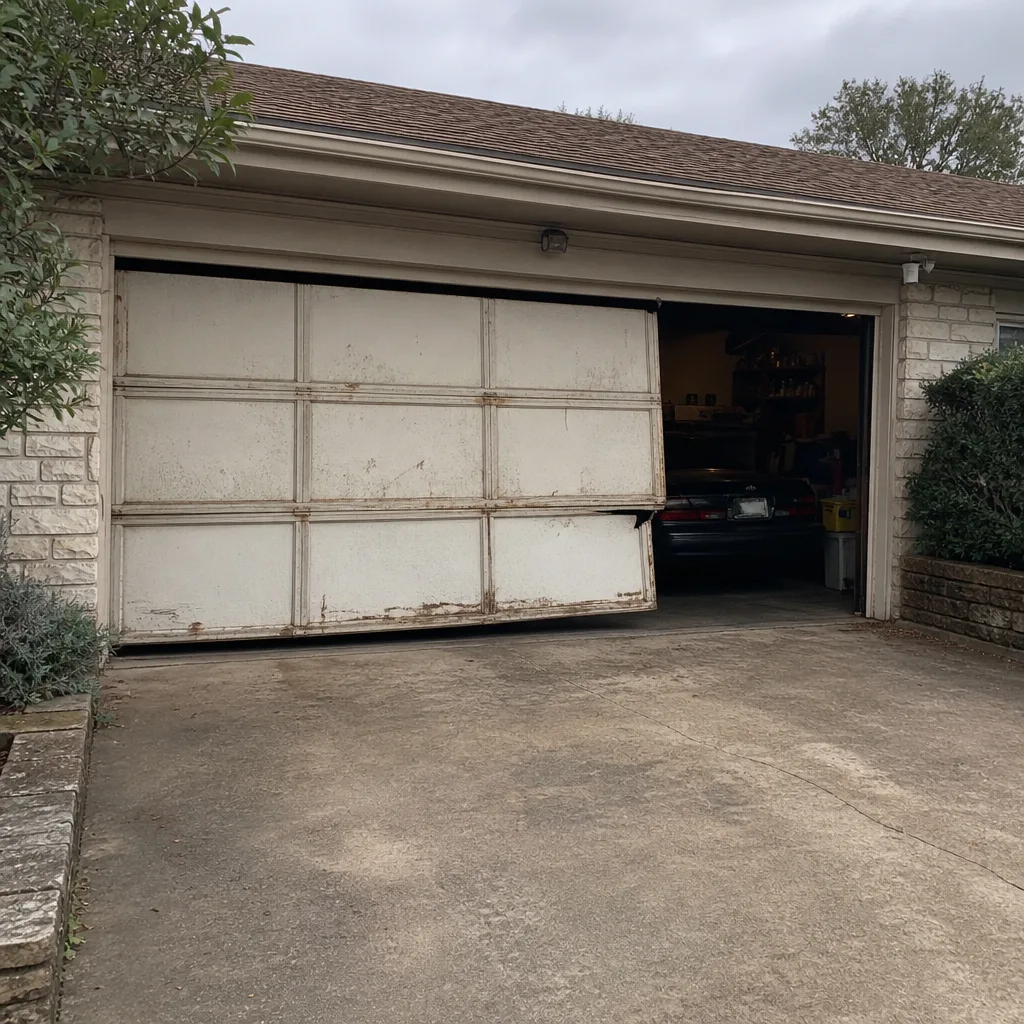 Before
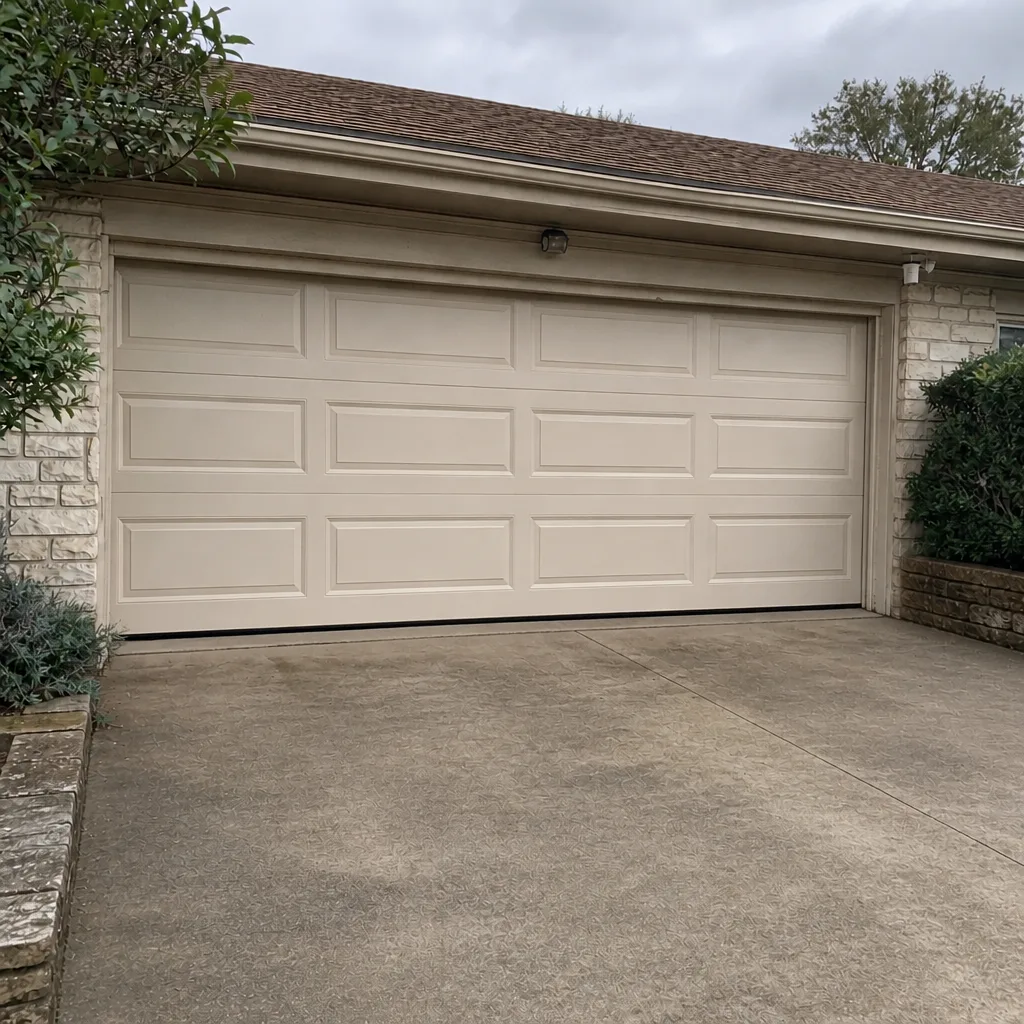 After
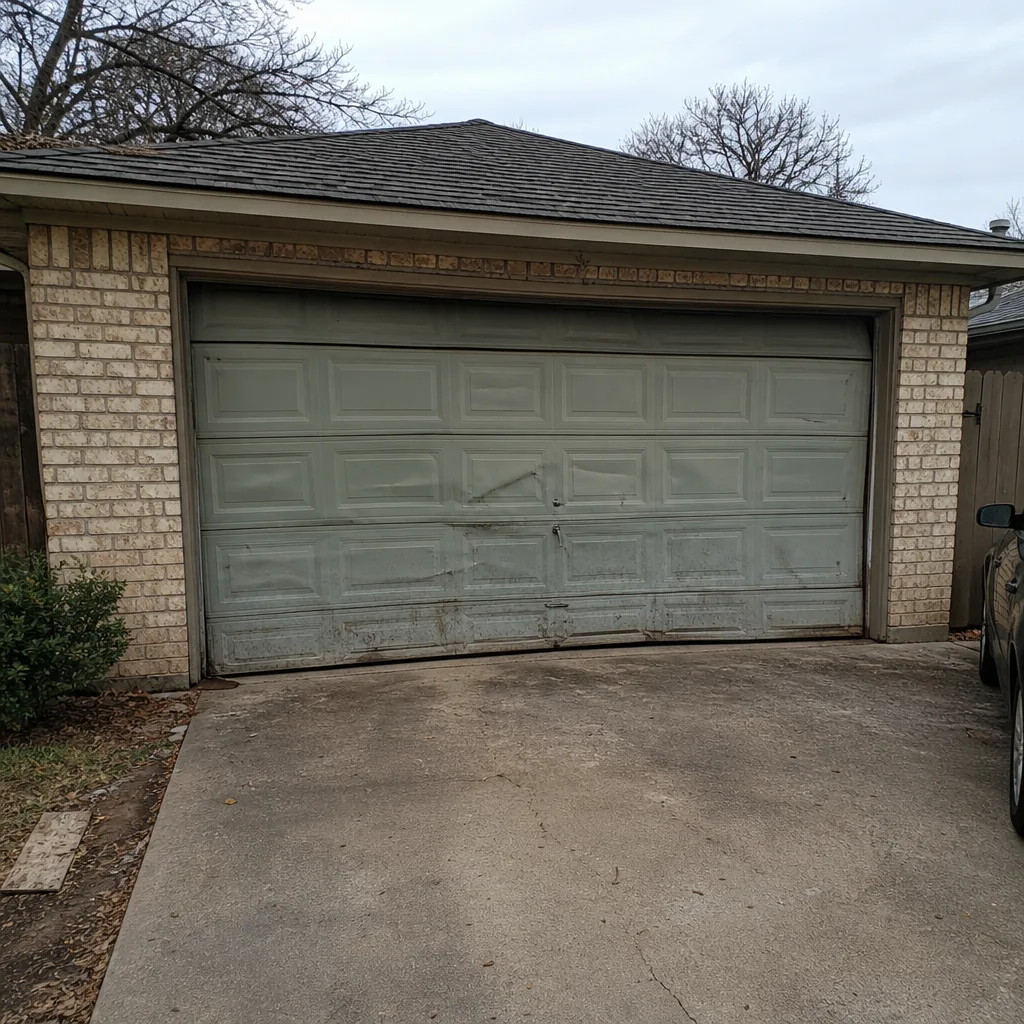 Before
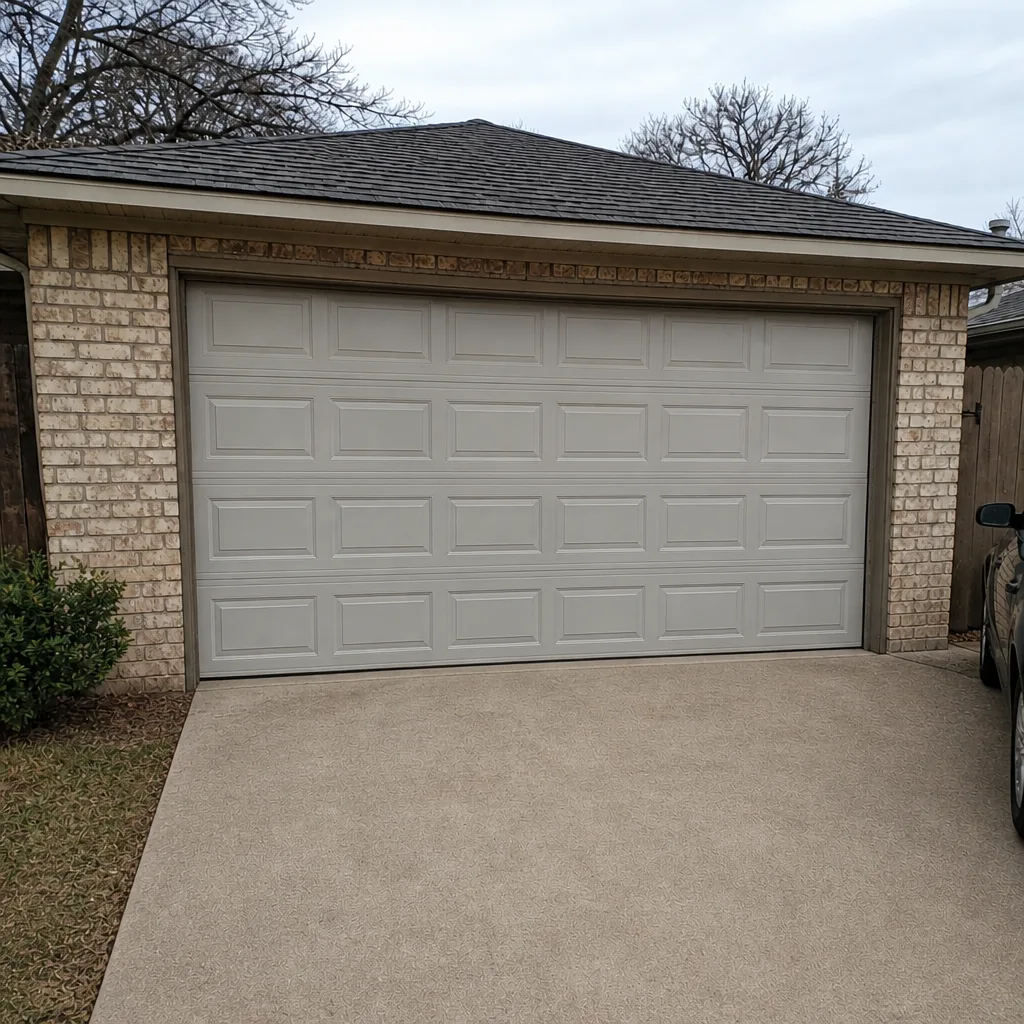 After
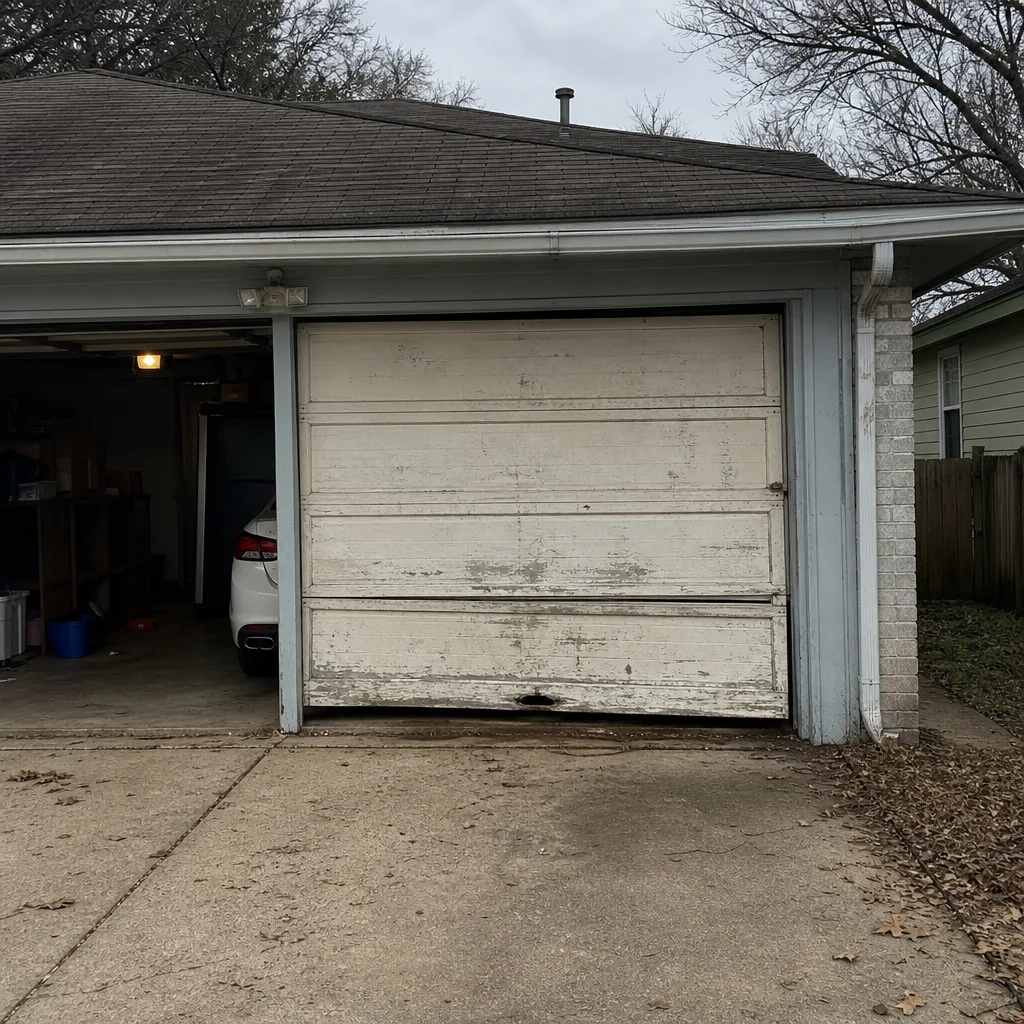 Before
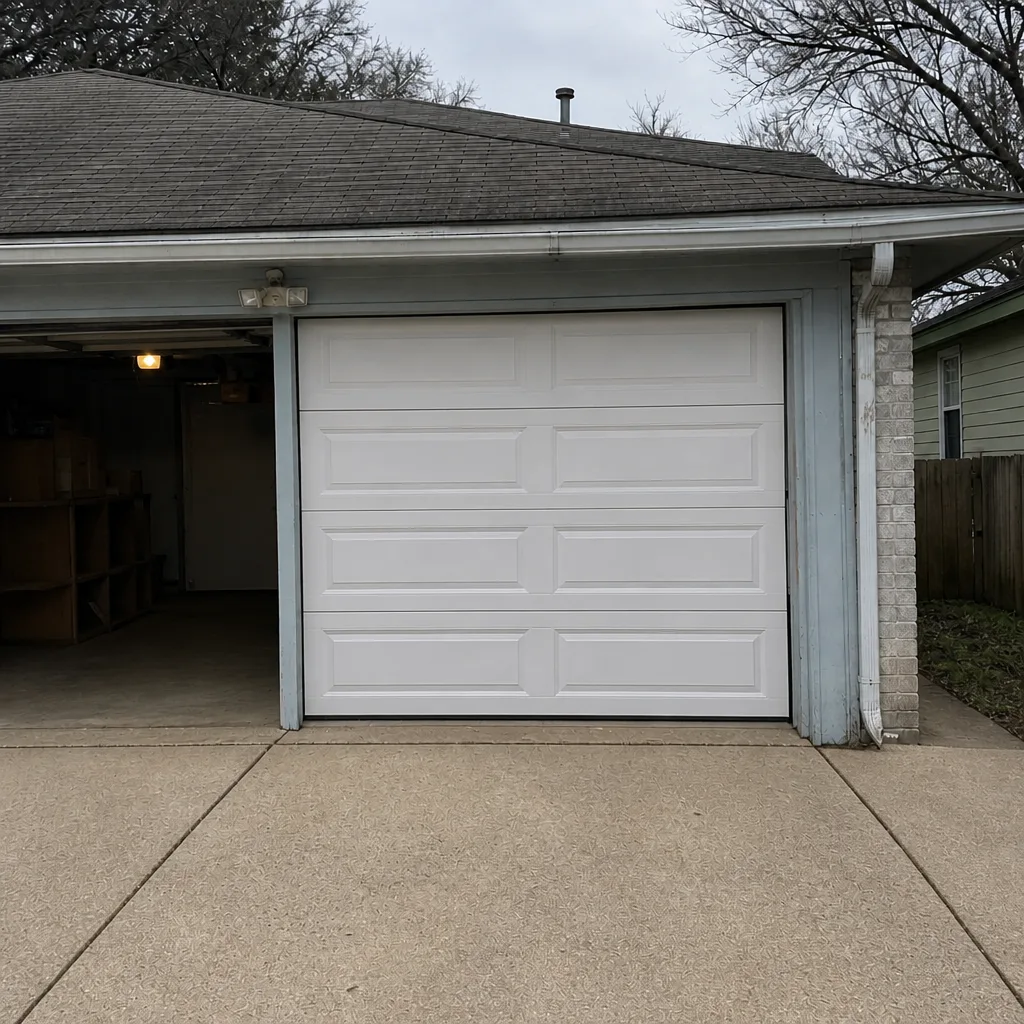 After
Frequently Asked Questions
Lubricate every three months, do the five-minute visual check every month, and have a technician check the springs, cables and opener force settings once a year. Waco’s extreme summer heat and sudden cold snaps speed up wear on the springs and track, so those intervals matter more here than they would in a milder climate.
Plan on a solid lubrication in April right before the summer heat sets in, again in September as the season cools, and once more in the middle of winter. If your door is exposed to more dust or sits under a carport, you can lean toward every two months in summer.
After the first hard freeze, check the torsion springs for gaps in the coil or rust striping, look for sagging panels and inspect the tracks for any shift. Metal contracts in cold, and a door that ran fine before the cold can sound different after it. If anything looks off, call a technician rather than adjusting it yourself.
Lithium grease goes on the metal parts: hinges, steel-bearing rollers, torsion springs and tracks. Silicone spray goes on the rubber and weatherstripping. Don’t grease nylon rollers or the opener’s drive mechanism, and don’t use WD-40 as a general door lubricant because it evaporates quickly.
Yes, once a year. A garage in a Waco summer can reach 110 degrees or more, and that heat stresses the opener’s drive mechanism. The force setting is what lets the door reverse when it meets resistance, so test it with a small object in the door’s path and adjust if needed. If you’re not sure how, call us at (855) 916-7192 for a free estimate.
No. Torsion springs are wound under hundreds of pounds of tension, and adjusting or removing one is a genuine injury risk. If you suspect a spring is failing, call a trained technician. A spring inspection is part of standard service, and our team handles the safe replacement.
The Bottom Line
A garage door maintenance schedule in Waco comes down to three habits. Lubricate the moving parts on a schedule that follows the heat, not the calendar. Run the five-minute walk-around every month, especially the balance test and the sensor test. Don’t put your hands on the torsion springs or cables, and call a trained technician when the warning signs show up. Everything else – the brands you’re working with, the door type, the opener – falls into place once those three habits become routine. Do this and your door lasts longer in the Texas heat.
If you’re not sure what your door needs, we work on your brand, from opener to panel. Whether you have a LiftMaster opener, an Amarr door or a Wayne Dalton system that needs an adjustment, our technicians have up to 11 years of experience and can fix what you have. Waco Garage Door Service handles Waco Garage Door Service calls for repair, opener repair and installation across the city. For a free estimate, call (855) 916-7192. We answer 24/7. Fast dispatch from 7am to 7pm, Sunday through Friday.
Written by the team at Waco Garage Door Service.