
Last updated November 16, 2026
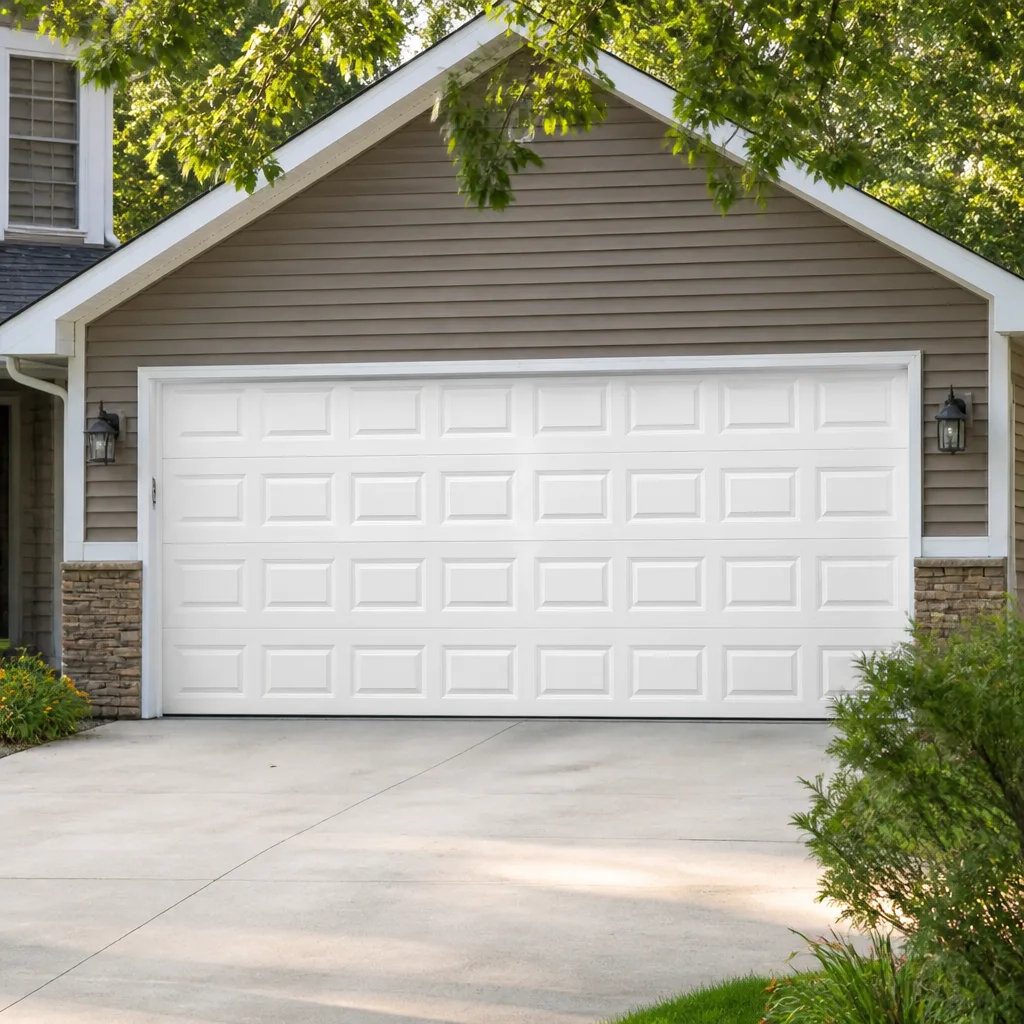 Raised-panel steel
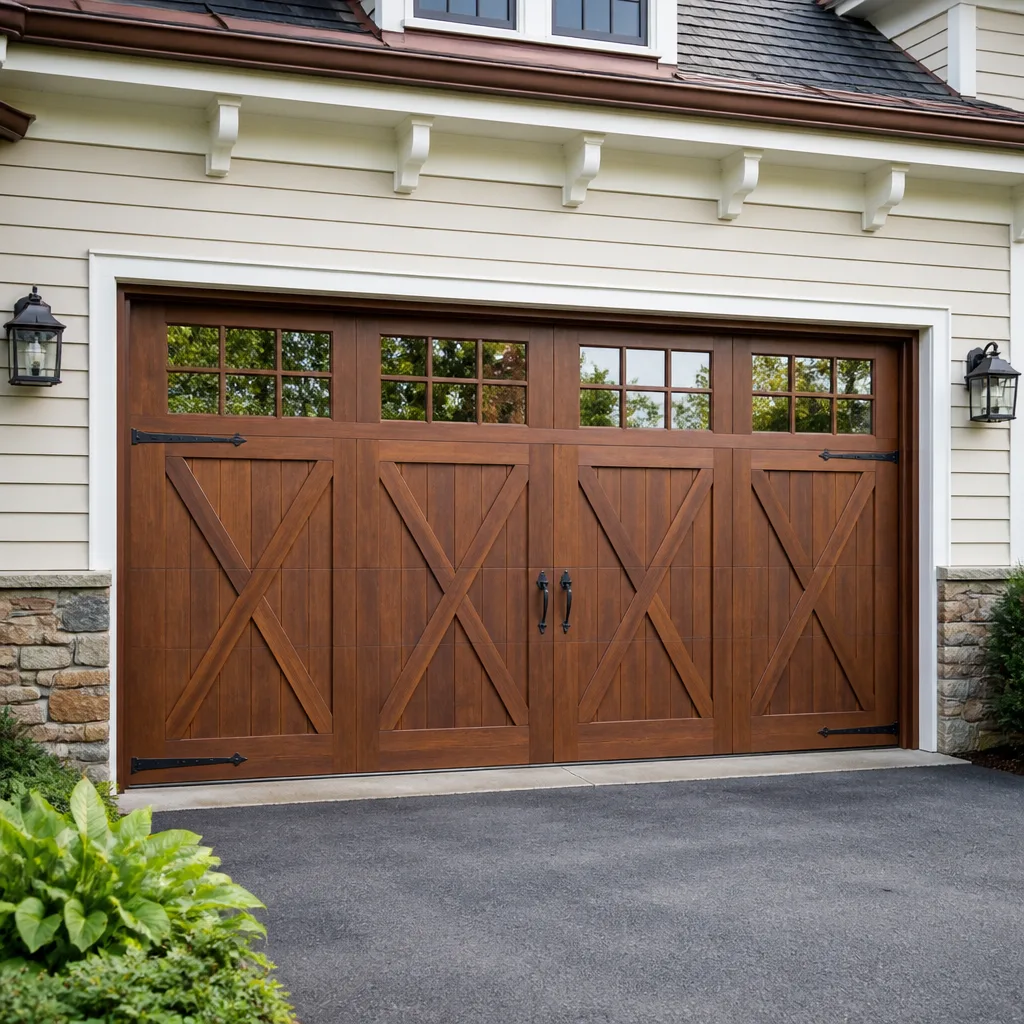 Carriage house
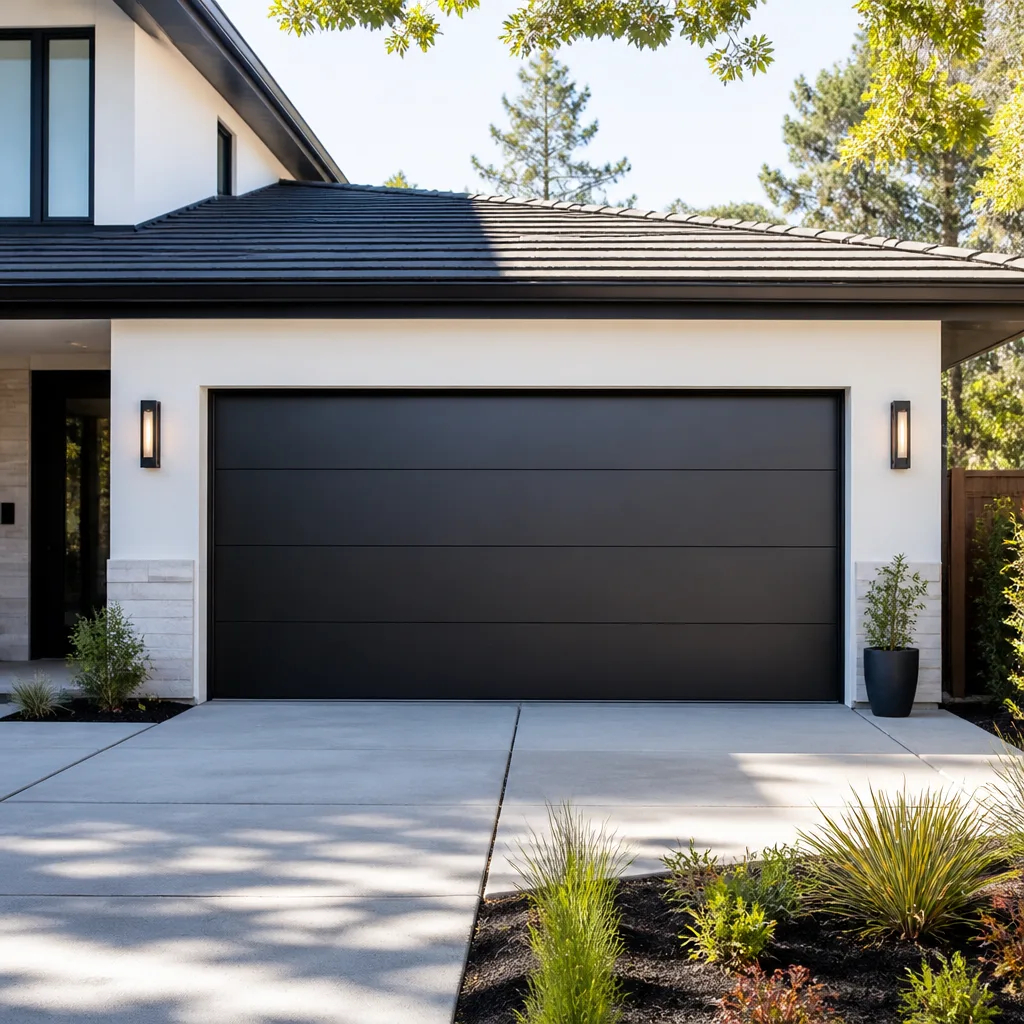 Modern flush
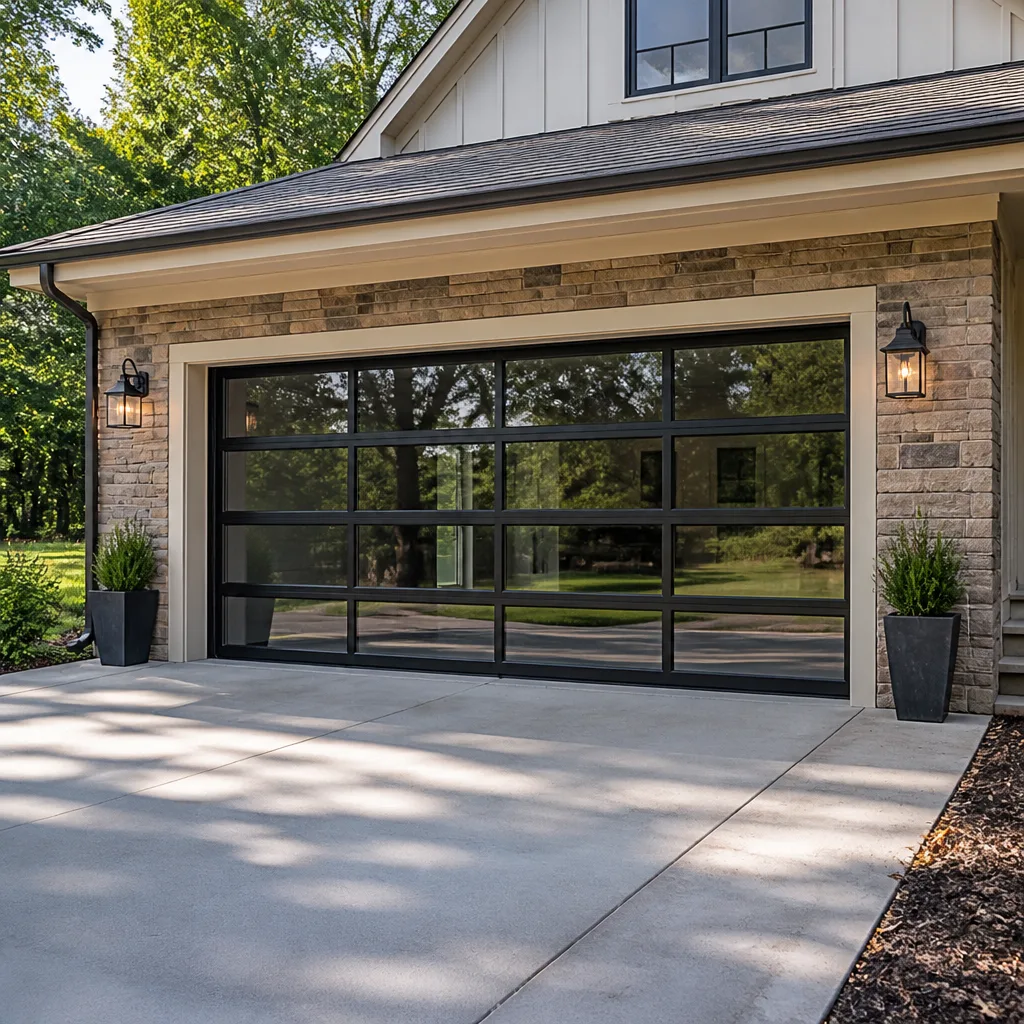 Full-view glass
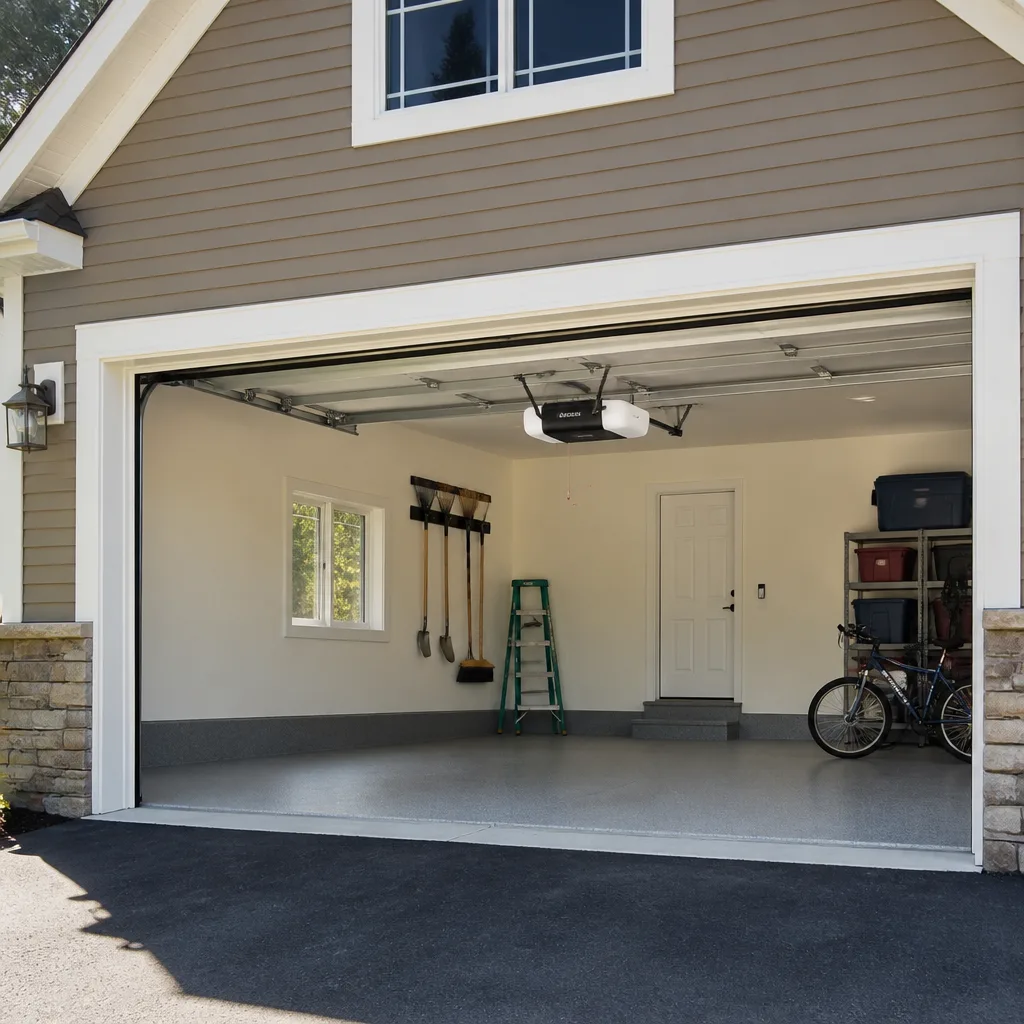 LiftMaster openers
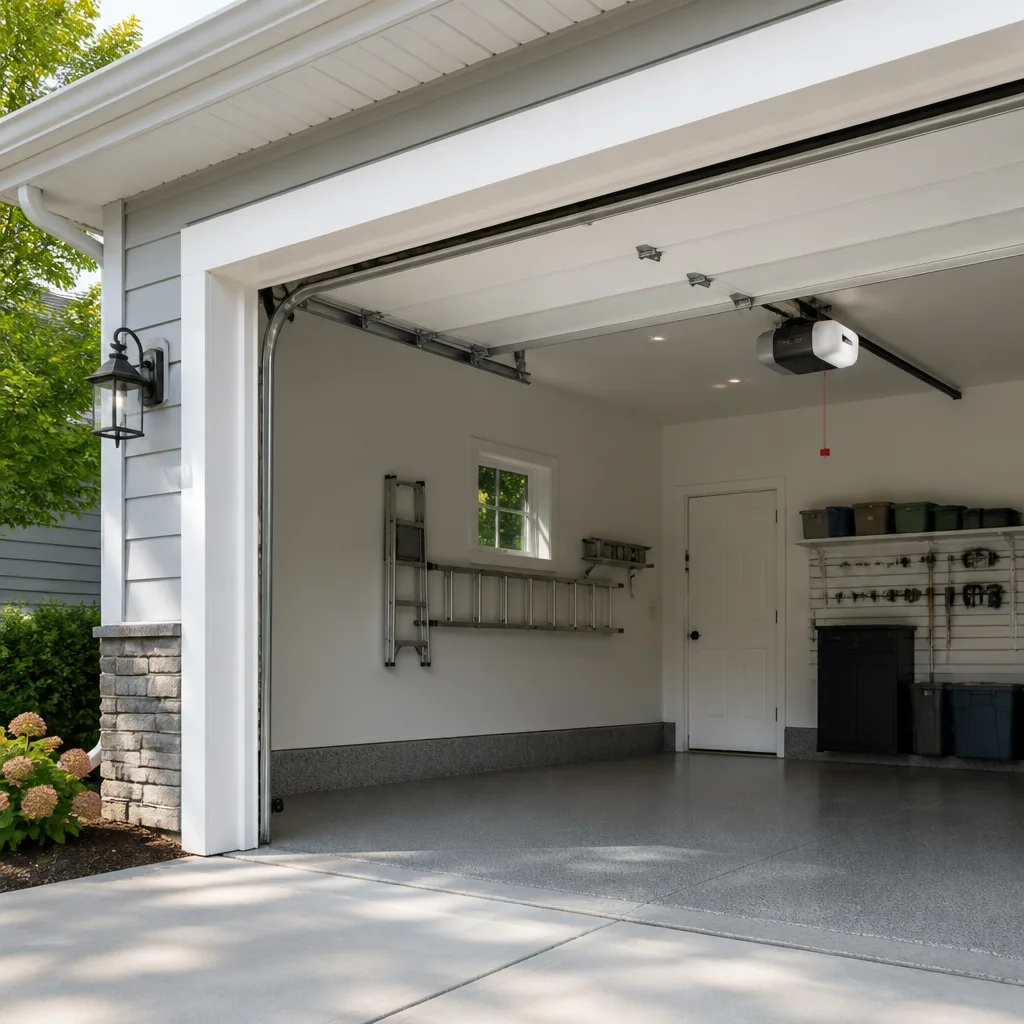 Chamberlain openers
Full 25-point door and opener safety check with every visit - springs, cables, rollers, tracks, and your LiftMaster or Chamberlain opener included
You get a price before we start. It does not change when the pro arrives.
Get your free estimateGarage Door Cost Breakdown: The Waco Homeowner’s Reference for 2026
Two quotes for the same job can sit $600 apart and include hardware off the same pallet. The gap usually isn’t the door. It’s the spring gauge, the cycle rating printed on the box, whether the technician fully weather-seals the openings, and whether anyone picks up the phone when that spring lets go a year and a half from now. Most cost guides skip those details because they’re easier to compare price than to explain value. This reference does the opposite. We’ll walk through Waco-specific labor ranges by job type, what a cycle rating actually means for a two-car household, the insulation tradeoff at Texas utility rates, and the hidden line items – permits, haul-away, low-clearance conversions – that turn a cheap quote into a costly one. You’ll finish with a number you can benchmark against any bid.
Quick Answer
Garage door work in Waco in 2026 typically runs $180 to $340 for a single spring replacement, $250 to $500 for opener repair or replacement, and $1,800 to $4,500 for a full door and opener installation depending on door material, insulation, and size. The cheapest bid usually wins on hardware, not on the parts that fail first. Every price below is an estimate; the written quote is the price you pay, and it’s set before any work starts.
Styles & brands we work with
- Raised-panel steel
- Carriage house
- Modern flush
- Full-view glass
- LiftMaster openers
- Chamberlain openers
Table of Contents
- Why Two Waco Bids for the Same Door Differ by Hundreds
- Waco Labor Ranges, Broken Out by Job Type
- What a Cycle Rating Means for a Busy Waco Household
- The Insulation R-Value vs. Cost Tradeoff in Texas Heat
- Hidden Costs Most Guides Skip
- Five- and Ten-Year Total Cost of Ownership Across Three Price Tiers
- How to Read a Garage Door Quote Line by Line
- Common Mistakes to Avoid
Why Two Waco Bids for the Same Door Differ by Hundreds
When a Clopay or Amarr panel comes off the truck, it looks identical from the curb no matter who installed it. The difference lives in four places: spring gauge, cycle rating, seal quality, and who answers when something fails.
Springs are measured by wire gauge and rated by cycles – a full open-and-close. A thinner spring at the same length fits the same door and costs less at the counter, but it takes fewer cycles before it fatigues. A technician who selects a heavier gauge for the door weight and tracks the cycle rating is charging for durability the buyer can’t see at installation. That’s not markup; it’s accuracy. Cheap bids tend to under-spring the door or over-spring the opener to compensate.
The other split is in the technician. A general handyman quoting a garage door job prices his time like drywall work. A dedicated garage door technician prices it like the specialty it is – torque specs, panel weight, cable tension, opener logic boards that throw codes nobody at a general repair shop recognizes. On a Waco job, that’s often the single biggest line item in a quote, and it’s the one you want to inspect, not negotiate down.
- Spring gauge and cycle rating: the wire thickness and rated lifespan, invisible after the box is opened.
- Technician specialization: generalist labor rates aren’t garage door rates; the work isn’t the same.
- Seal and weatherstripping: the bottom seal and perimeter weather seal that keep summer heat and insects out.
- Callback coverage: some shops show up on a return trip; others price the original job to avoid scheduling one.
Read both bids side by side and ask what spring wire gauge each includes and what cycle rating it carries. That question alone usually explains the gap.
Waco Labor Ranges, Broken Out by Job Type
Most cost guides lump “garage door repair” into one vague number. The problem is a spring swap and a full system install are nothing alike in labor or parts. Here’s how the pieces usually break out in the Waco market; treat these as typical estimates that a written quote will lock down.
Spring and Cable Repair
A single torsion spring replacement typically runs $180 to $340, and a matched pair is usually replaced together at roughly double that. Cables, drums, and bearings add $40 to $120 depending on how much of the torsion assembly is worn. A snapped spring is a same-day repair, so call as soon as you hear it.
Opener Repair and Replacement
Opener repair runs $120 to $280 for most LiftMaster, Chamberlain, Genie, and Craftsman units – gear sets, logic boards, safety sensors, and remote pairing are the common jobs. Full opener replacement with a new rail, motor, and remotes runs $350 to $650 if the existing door and hardware are sound. If the door itself is out of balance, an opener upgrade is the wrong first dollar spent.
Door Panel and Sectional Repair
Replacing a damaged panel on a Clopay, Amarr, Wayne Dalton, or Craftsman door runs $150 to $450 per panel for standard residential sizes. Sections aren’t universal – the brand and model matter, since a mismatched panel won’t hang correctly on existing hinges.
Full Door and Opener Installation
Full replacement – door, tracks, hardware, springs, and opener – typically lands between $1,800 and $4,500 for a standard two-car residential opening. Single-car openings run lower; oversized or insulated premium lines push higher. This is scheduled work, not same-day: we measure the opening, order the correct brand and size, and set a date with the written price.
For a closer look at what each repair actually involves, see our garage door repair page.
Trust signal: Every technician dispatched on a job is a dedicated garage door technician – not a multi-trade generalist on rotation. Our technicians have up to 11 years of experience, and they work on whatever brand is already on the home. Free estimates, upfront pricing, and the quote is agreed before any work starts.
What a Cycle Rating Means for a Busy Waco Household
A cycle rating is the manufacturer’s stated number of open-and-close cycles a spring is designed to survive. Standard springs are commonly rated for 10,000 cycles; heavy-duty springs go higher. What most manufacturers assume is a household that opens the door twice a day – out to work, home again.
That assumption doesn’t hold in a lot of Waco households. Two working adults, one in an early shift and one on a later schedule, plus kids coming and going, turns into 8 to 12 cycles a day. Do the math: at 10 cycles daily, a 10,000-cycle spring is done in under three years. At 15 cycles it’s done in closer to two. A homeowner running that schedule buys the cheap 10,000-cycle spring and blames the installer when it snaps in year two – when the real issue was capacity, not quality.
Upgrading to a higher-cycle spring usually adds modest cost at the counter and substantially extends the service window. If you have two drivers, it’s the better buy. Here’s how to think about it:
- Count your daily cycles. How many times does the door open and close on a typical weekday between all household members? Multiply by 1. Multiply again by roughly 350 days for an annual estimate.
- Divide the rated cycles by your annual cycles. A 10,000-cycle spring at 12 cycles a day gives you about two years; a 20,000-cycle spring gives you closer to four to five.
- Pick the gauge that matches the schedule. Two drivers means heavy-duty springs are usually worth the small increment in the parts line.
- Ask the technician to log the cycle rating. Having it written down matters when the next homeowner takes over the house.
The CYCLE rating is the only guarantee of how long the spring will last. No installation quality – however careful – can outrun a spring rated for fewer cycles than the household uses.
The Insulation R-Value vs. Cost Tradeoff in Texas Heat
Garage door insulation is a real cost decision in Waco. An uninsulated door on a garage attached to the house lets heat pour into the wall shared with the living space, and it does the same in winter when the furnace is running. A lightly insulated door performs meaningfully better than a hollow steel panel; a fully insulated premium panel performs better still. The question is where the extra money stops paying back.
At Texas utility rates, the honest answer is that insulation is worth it when the garage shares a wall with a conditioned room – bedroom, kitchen, laundry – or when the garage is used as a workspace. In that case, upgrading from an uninsulated door to a well-insulated option typically pays back over a reasonable number of cooling seasons. If the garage is detached or has no conditioned wall, the payback is thinner and mostly about comfort and noise reduction, not energy savings.
Where the break-evens tend to land
- Attached garage, shared conditioned wall: insulated doors usually justify their premium within a few seasons.
- Attached garage, garage-only wall: modest payback; insulation mainly cuts noise and heat gain in the garage itself.
- Detached garage, storage only: insulation is comfort and durability, not energy savings.
The other insulation benefit in Waco is durability. A damp, uninsulated steel panel sweats more in the summer and swings harder in temperature. An insulated panel is stiffer, quieter, and less prone to denting. That’s not a strict energy argument, but it’s a genuine lifespan argument – and lifespan is the number that actually matters.
If an opener is on the list too, read our garage door opener repair page before deciding whether to repair or replace. The right order is usually: fix the door first, then size the opener to it.
Hidden Costs Most Guides Skip
Competitor cost guides tend to present a clean range and stop. Real jobs come with line items. Here are the ones to ask about on any quote.
Permits
Most cities require a permit for a new garage door installation or a structural change to the opening. Waco is no different: ask the city’s building department directly, and ask your contractor whether the permit is included in the quote. A bid that silently excludes the permit isn’t cheaper; it’s incomplete.
Haul-Away
The old door, tracks, springs, opener, and packaging have to leave the property. Some quotes include haul-away; some don’t. The number matters – often $50 to $150 on a full replacement – and it’s the easiest line item to forget until it appears on the invoice. Ask, in writing.
Non-Standard Headroom and Low-Clearance Conversions
Many older Waco homes have garage openings that were built to dimensions a supplier’s catalog doesn’t assume: low headroom above the door, an angled ceiling, a wall-mounted opener in a tight space. These conditions usually require a low-clearance conversion kit or a different track radius, and there’s an upcharge for it. A technician who measures ahead of the install gets the number right the first time. A bid placed over the phone by square footage gets it wrong and corrects the number after the door is ordered.
Panel and Section Mismatch
Replacing a single panel on a door is cheap only if the brand and model are still in production. Clopay, Amarr, Wayne Dalton, and Craftsman have discontinued models with no current equivalent. When that happens, the replacement is a full door – not a repair – and the cost jumps. Ask the technician to confirm the model before accepting a panel-replacement quote.
Opener Compatibility
A new smart opener needs a compatible wall control, safety sensors, and sometimes a new rail. Adding those to a replacement that was quoted door-only sometimes doubles the actual bill. Ask what’s included before signing.
Five- and Ten-Year Total Cost of Ownership Across Three Price Tiers
Cheap options are expensive when you add up what they cost to maintain and replace. Here’s how the math usually shakes out across three price tiers, using typical Waco estimates.
Tier 1: The Cheapest Bid
Uninsulated door, standard-gauge springs rated at 10,000 cycles, basic opener, minimum seal coverage. Initial price is the lowest. Over five years, expect a spring replacement around year two to three (a single spring at $180-$340, pair at roughly double), possibly one opener repair, and a seal replacement. Ten-year cost adds a second spring set, a second opener repair or replacement, and higher energy loss on an attached garage. Cumulative spend usually lands in the middle of the three tiers, and the homeowner absorbs the interruptions.
Tier 2: The Mid-Range Bid
Insulated door, heavy-duty springs rated for the household’s actual cycle count, mid-grade opener with smart features, quality seal. Higher up-front cost than Tier 1. Five-year cost: minimal repairs, likely one seal renewal. Ten-year cost: possibly one spring set replacement, longer opener life. Cumulative spend typically comes in lower than Tier 1 over ten years, with fewer calls and fewer bad mornings.
Tier 3: The Premium Bid
Premium insulated door (Clopay or Amarr premium line), heavy-duty springs, top-tier opener, full weather-sealing, everything engineered for the actual usage. Highest initial cost. Five-year and ten-year repair costs are the lowest of the three tiers, and the door itself lasts long enough that the next replacement is a decade or more away. On a household with two drivers, this tier often comes out ahead on total cost across a decade – not because the hardware is prettier, but because it isn’t replaced three times.
The rule of thumb
- Compare three separate numbers: initial quote, expected five-year repair spend, and expected ten-year replacement. Only the total matters.
- Match spring tier to household size. A two-driver household gets no benefit from 10,000-cycle springs.
- Insulate if the garage shares a wall with the house. Skip it if the garage is detached and the goal is storage only.
- Ask what’s not in the quote. Haul-away, permit, and opener accessories are the three most common omissions.
How to Read a Garage Door Quote Line by Line
A good quote is specific enough that you could hand it to a different technician and get the same job. Vague quotes fall apart at installation, when renegotiation starts. Here’s what to look for on every one.
- Brand and model of the door: Clopay, Amarr, Wayne Dalton, Craftsman – plus the model number, not just the material.
- Spring spec: wire gauge and cycle rating, written down. If it’s not specified, ask.
- Spring count: a single spring and a matched pair are different line items at different prices.
- Opener model and features: belt versus chain, battery backup, smart connectivity, wall control, and safety sensors included or not.
- Seal and weatherstripping: bottom seal and perimeter weather seal, both listed as separate items.
- Haul-away: old door, tracks, springs, opener, packaging – included or an added line.
- Permit: stated as included or explicitly excluded, with the responsible party named.
- Timeline: for repair, a same-day commitment; for installation, a measure date and an install date.
The last line to look for is the schedule and the payment terms. A written estimate is the final price; if anything on-site changes, the technician should stop and re-quote before touching the door. That’s how the price stays agreed. If you’re not sure who to call, our Waco Garage Door Service page explains what we do and how we schedule.
Common Mistakes to Avoid
- Accepting the cheapest quote without reading the hardware spec. A lower number usually means a thinner spring or a lighter opener. Two sentences into the quote, the difference is usually visible.
- Replacing the door when a spring or opener repair would fix it. A garage door is a system, and most failures are in the cheapest component. Ask the technician why replacement beats repair; the answer should be specific.
- Upgrading the opener before balancing the door. A heavy, out-of-balance door burns out opener motors, and a new opener won’t fix the door. Balance the door first, then decide whether the opener needs replacing.
- Ignoring cycle rating when the household has two drivers. Under-spec springs are the single most common cause of repeat repairs in Waco.
- Trusting a phone quote based on square footage. Older Waco openings often need measuring for low-clearance or non-standard headroom. The technician needs to see the opening before quoting a real number.
- Forgetting to ask about haul-away and permit. Two common omissions that turn a “cheap” quote into the higher invoice.
- Choosing brand-locked installers when a repair would do. If the technician can only install one brand, they’re selling that brand, not diagnosing the door. Look for someone who repairs what’s already there.
See the difference
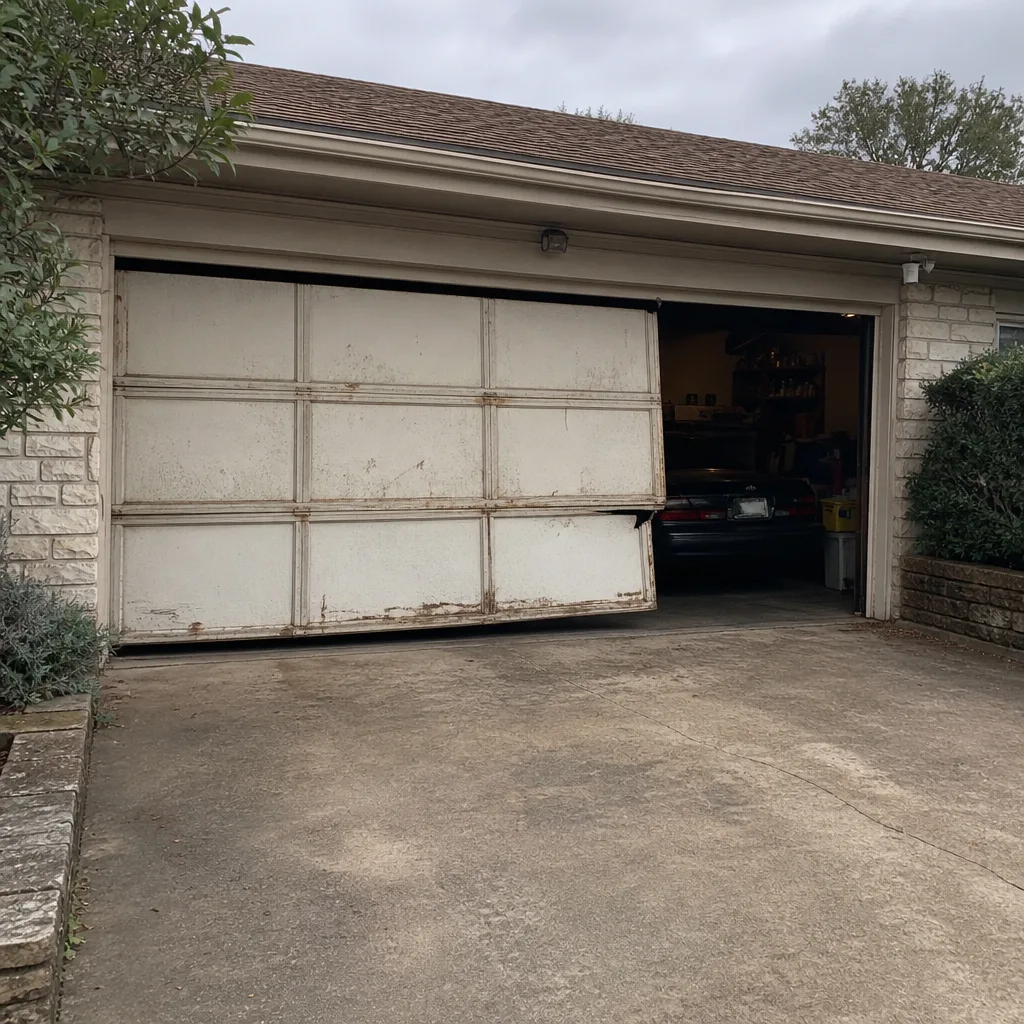 Before
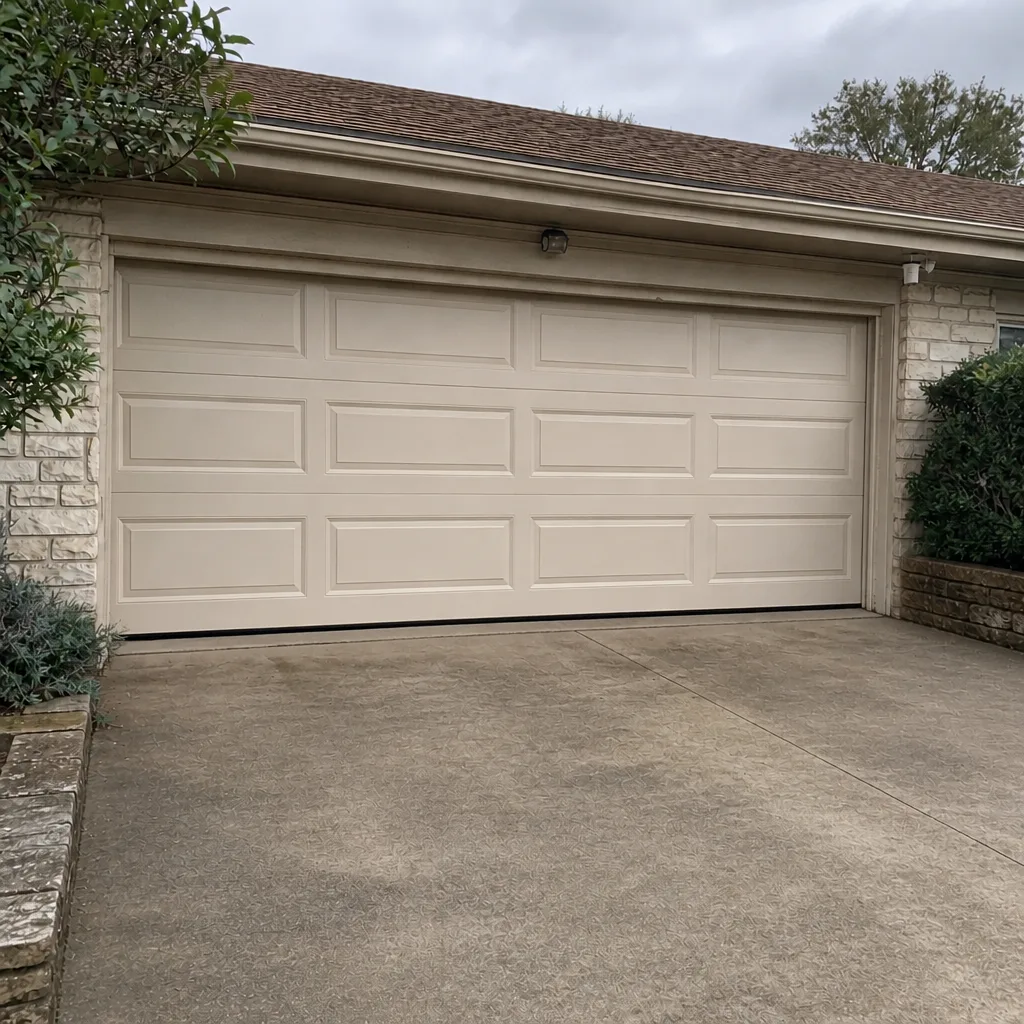 After
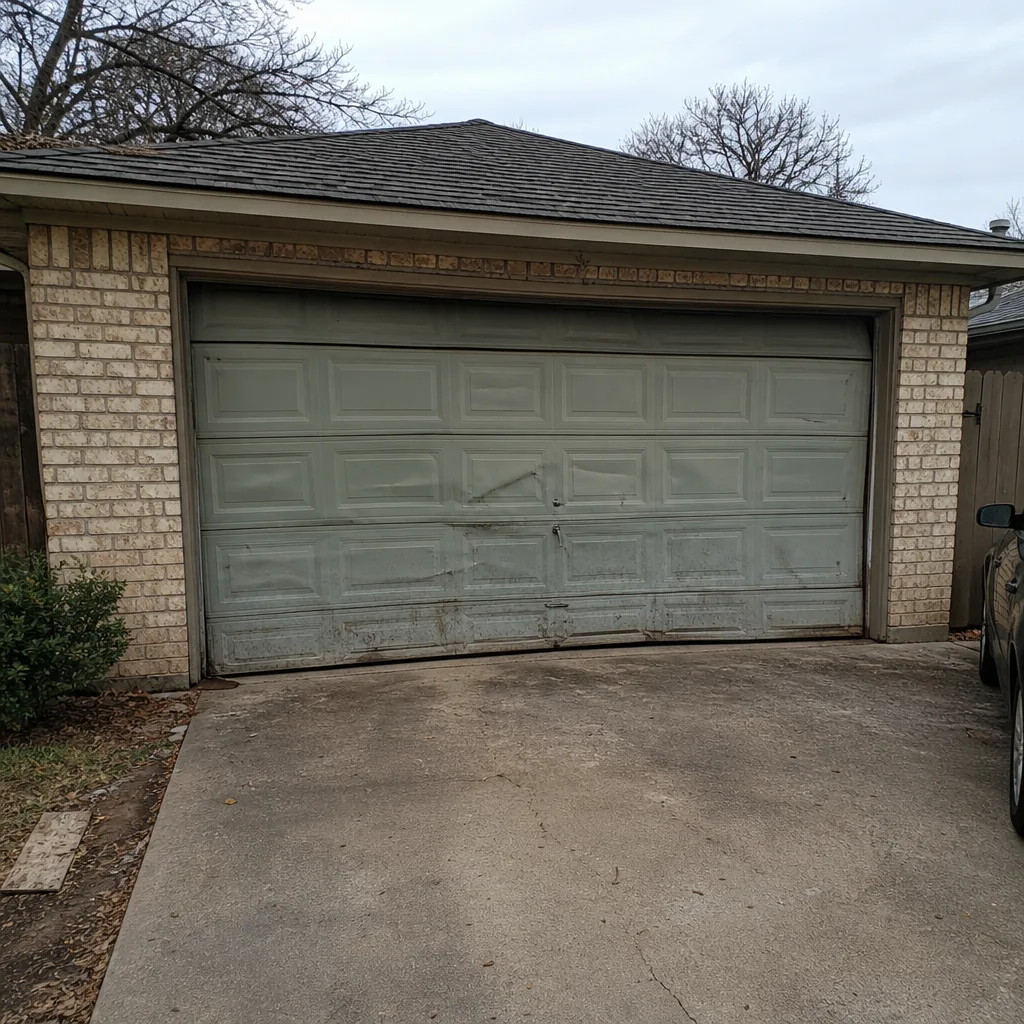 Before
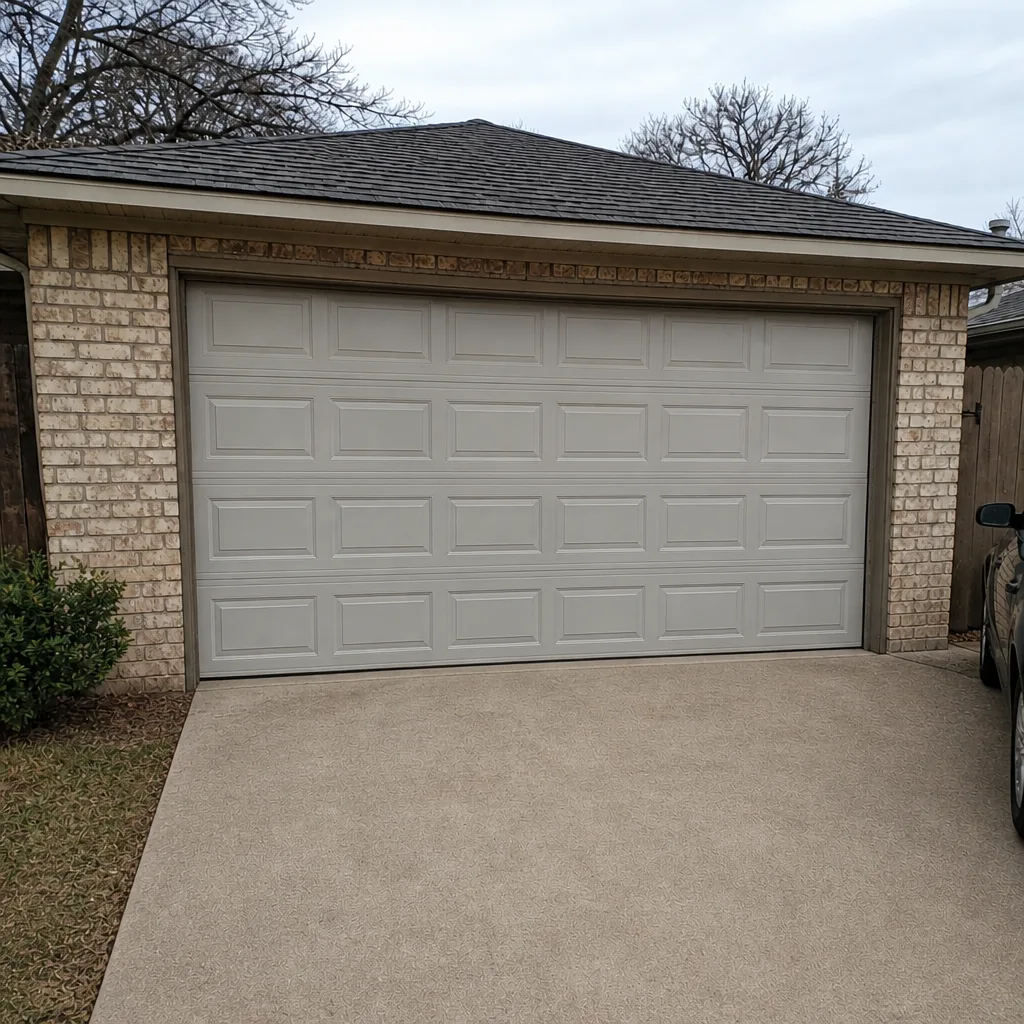 After
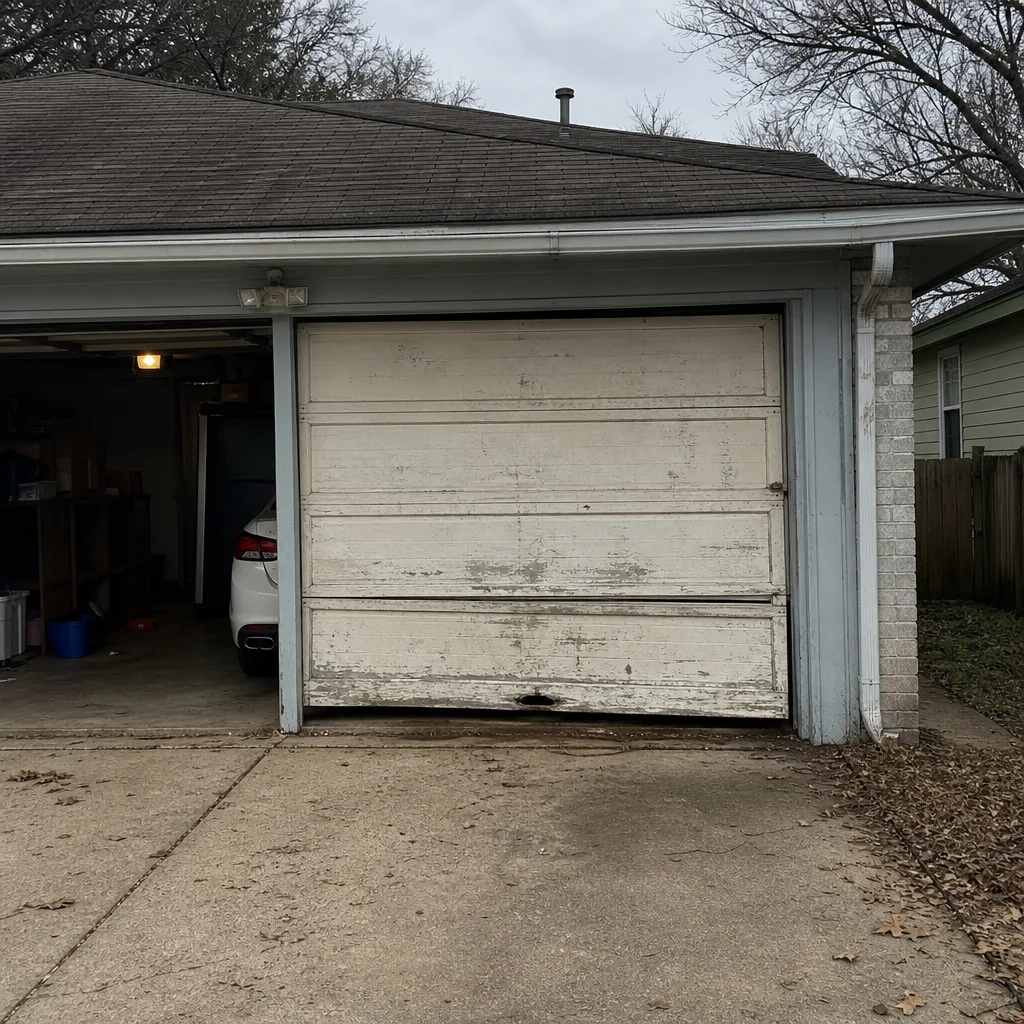 Before
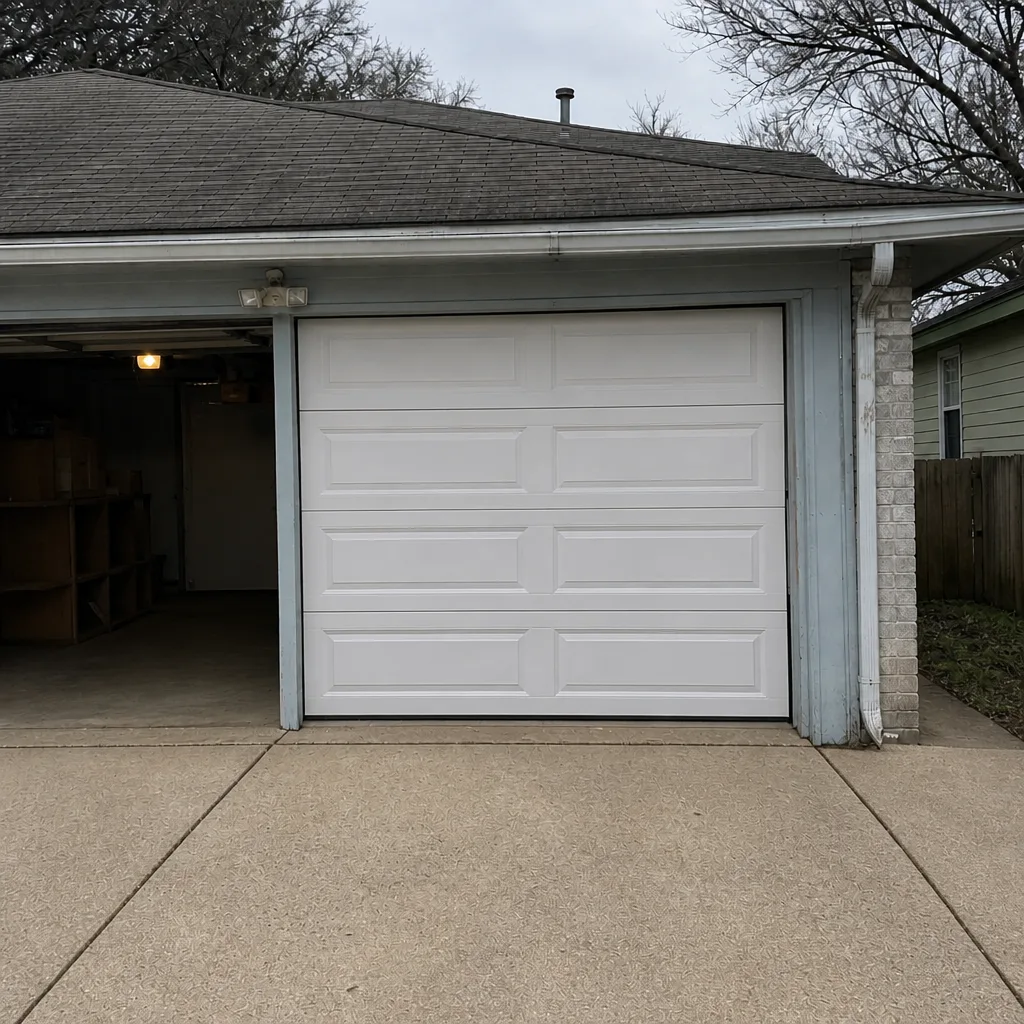 After
When to Call a Professional
Some garage door jobs are genuinely dangerous. Torsion springs under tension can cause serious injury if they’re adjusted without the right tools and procedures, and cables under load can snap without warning. Electrical panel work on opener circuits and low-voltage wiring behind wall controls are not DIY territory either. If the door is out of balance, a spring has popped, the door won’t close fully, or the opener trips its safety sensors, stop and call a trained technician. The good news is that spring and cable repairs are usually same-day in Waco, and a free estimate costs nothing to ask for. If your door is stuck open or a cable has let go, don’t run the opener – leave it closed and call. Waco Garage Door Service offers free estimates in Waco – call (855) 916-7192.
Frequently Asked Questions
A full garage door and opener installation in Waco typically runs $1,800 to $4,500 for a standard two-car opening, with the range set by door material, insulation, brand, and size. That estimate includes the door, tracks, hardware, springs, and opener when those are part of the job. The written quote locks in the final price. Call (855) 916-7192 for an exact quote; estimates are free.
Yes – spring and cable repair is usually a same-day job in Waco. Call (855) 916-7192. We answer 24/7. Fast dispatch from 7am to 7pm, Sunday through Friday. A call outside dispatch hours is booked into the next opening, Sunday through Friday, 7am to 7pm. Installation work is scheduled, not same-day.
No. The written estimate is the price, and it’s set before any work starts. If a technician arrives and finds something the quote didn’t account for, they’ll stop and re-quote before touching the door. No surprise invoice at the end.
The difference is cycle rating – the number of open-and-close cycles the spring is rated to survive. Standard springs are commonly rated for 10,000 cycles; heavy-duty springs are rated higher. If you have two drivers coming and going, you’re probably running 8 to 12 cycles a day, and a standard spring reaches its limit faster than the manufacturer assumes. Heavy-duty springs usually pay back by lasting longer. Call (855) 916-7192 for an exact quote; estimates are free.
Yes. The independent professionals we connect you with are state-licensed and insured, and every technician dispatched on a garage door job is a dedicated garage door specialist – not a general handyman on rotation. Our technicians have up to 11 years of experience and work on whatever brand is already on the home: LiftMaster, Chamberlain, Genie, Clopay, Amarr, Wayne Dalton, Craftsman, and Raynor. Call (855) 916-7192 for an exact quote; estimates are free.
Insulation pays back when the garage shares a wall with a conditioned room or is used as a workspace, because it cuts heat transfer into and out of the house at Texas utility rates. On a detached garage used only for storage, insulation mainly buys comfort and noise reduction, not energy savings. Ask the technician where the door sits on the shared-wall question before choosing a tier. Call (855) 916-7192 for an exact quote; estimates are free.
The Bottom Line
Garage door pricing in Waco in 2026 is shaped by four things a price tag can’t show: spring gauge and cycle rating, technician specialization, seal quality, and whether the quote includes the line items that competitors leave off. A single spring typically runs $180 to $340, opener repair $120 to $280, and full replacement $1,800 to $4,500, all as estimates with the written quote as final. The cheapest bid is only the cheapest on day one. Over ten years, the door that isn’t replaced three times wins. Get the written quote, ask about cycle rating, ask about haul-away and permit, and call when something actually goes wrong.
Waco Garage Door Service works on the door you already own – LiftMaster, Chamberlain, Genie, Clopay, Amarr, Wayne Dalton, Craftsman, and Raynor – and repairs first when that’s the honest answer. If you’re ready to get a number, call (855) 916-7192. We answer 24/7. Fast dispatch from 7am to 7pm, Sunday through Friday. Free estimates in Waco and the surrounding area, with the price agreed before any work starts.
Looking for more on the services we run, or want to see how the rest of Waco gets its garage doors handled? The rest of the site covers what you need.
Written by the team at Waco Garage Door Service.