
Last updated November 16, 2026
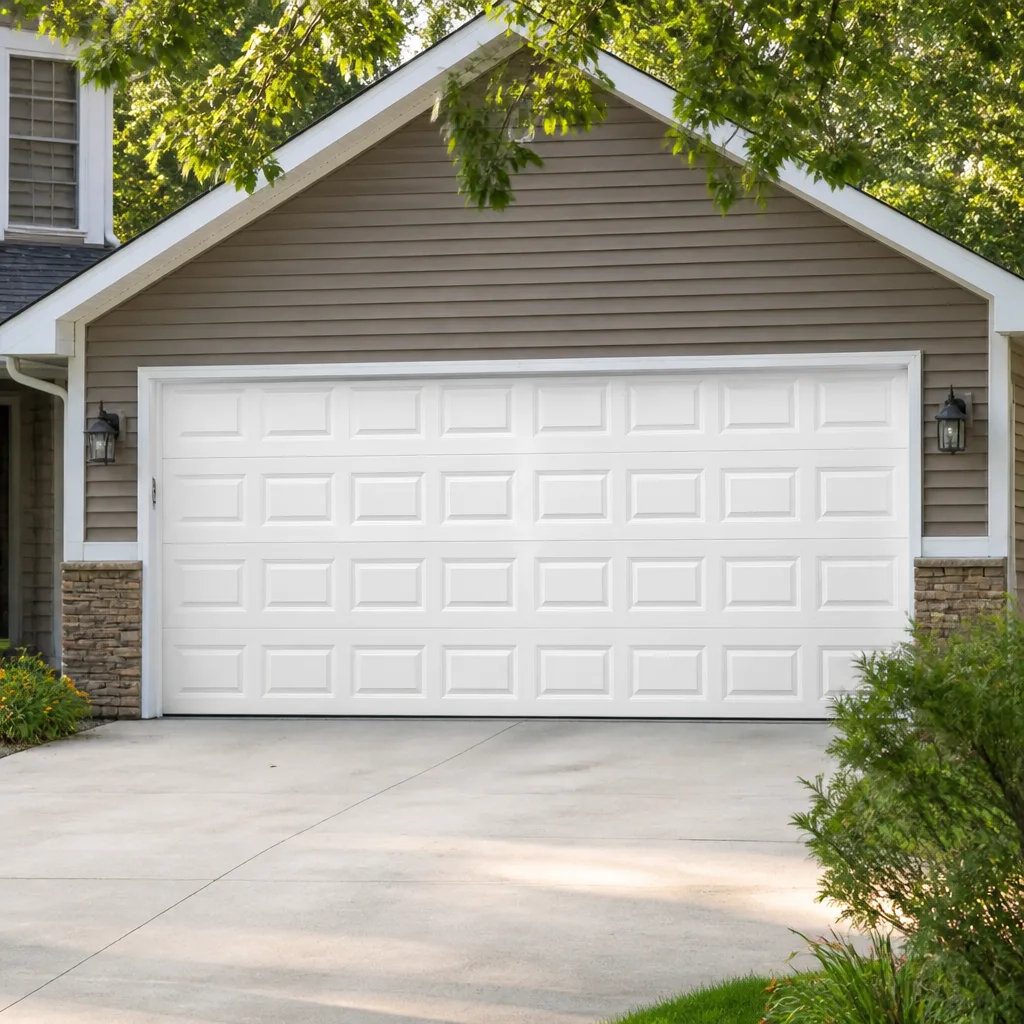 Raised-panel steel
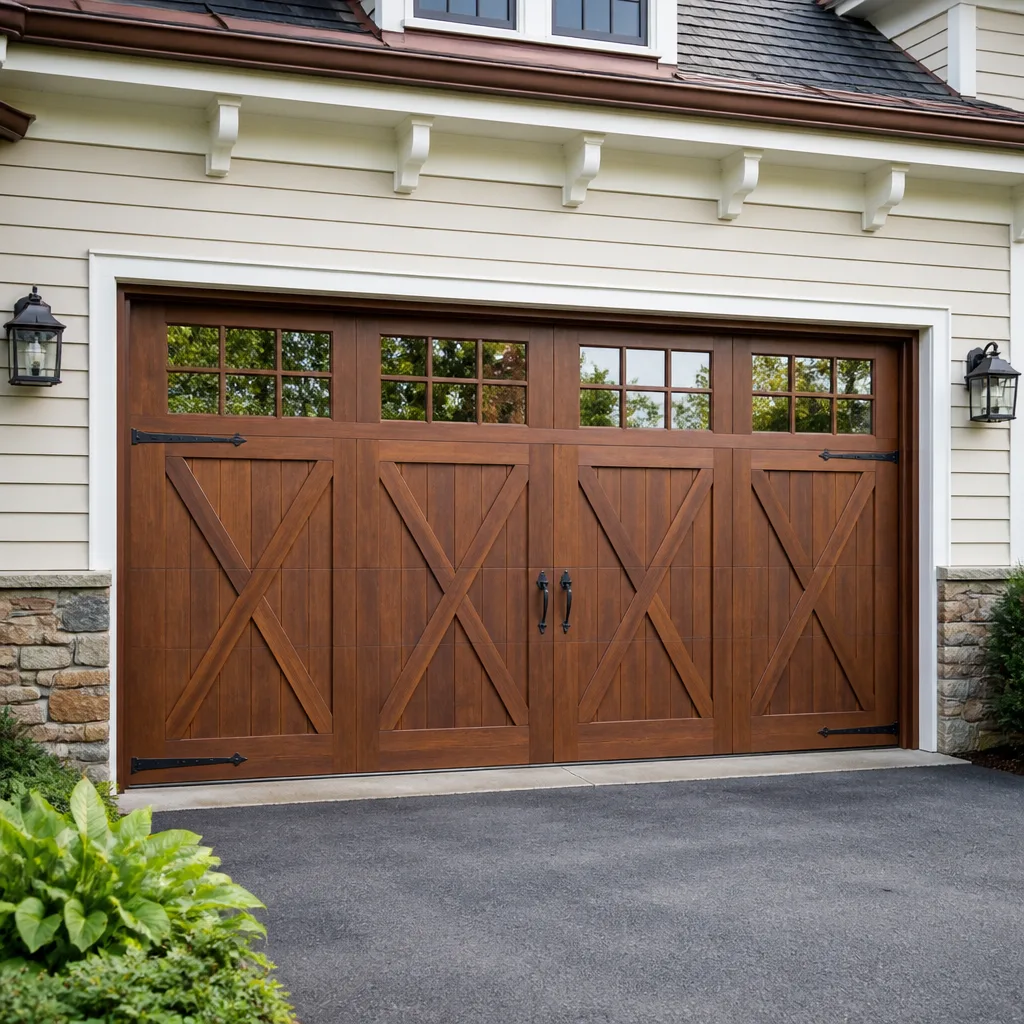 Carriage house
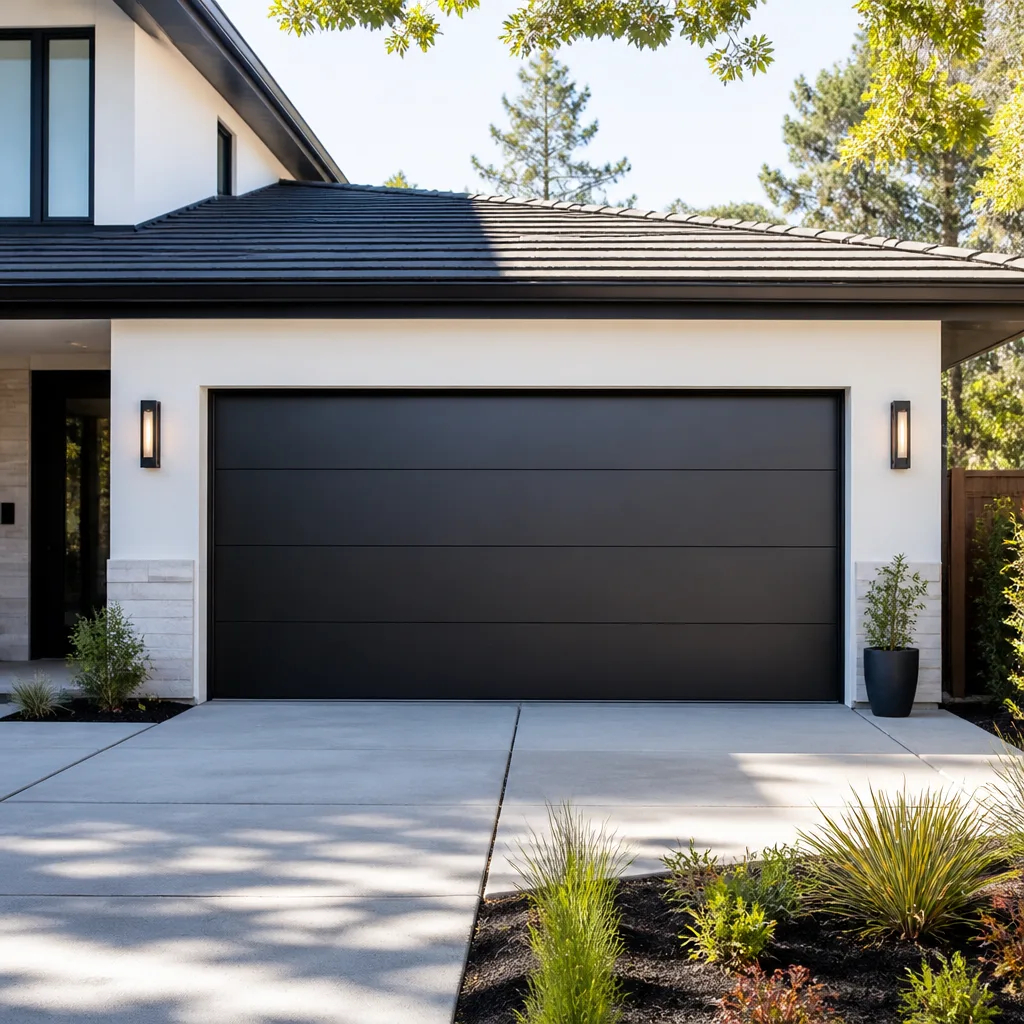 Modern flush
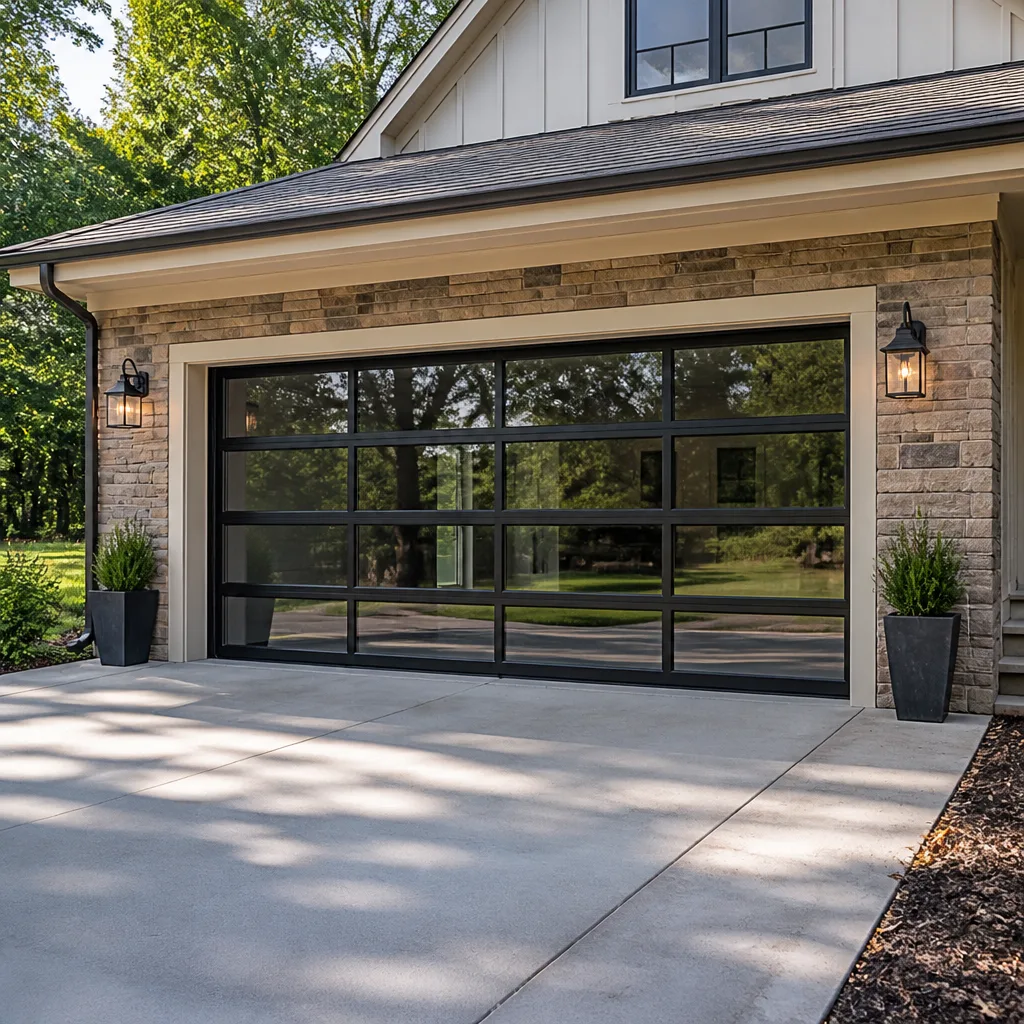 Full-view glass
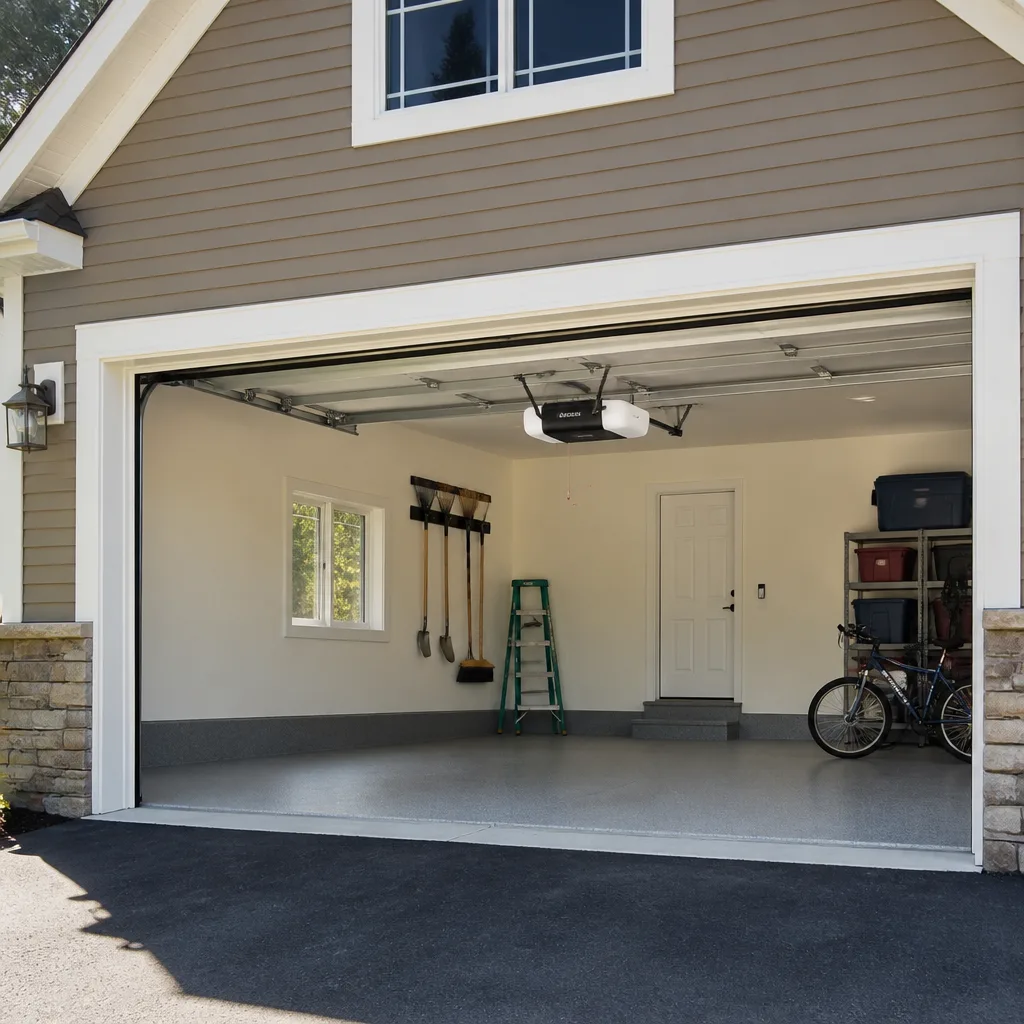 LiftMaster openers
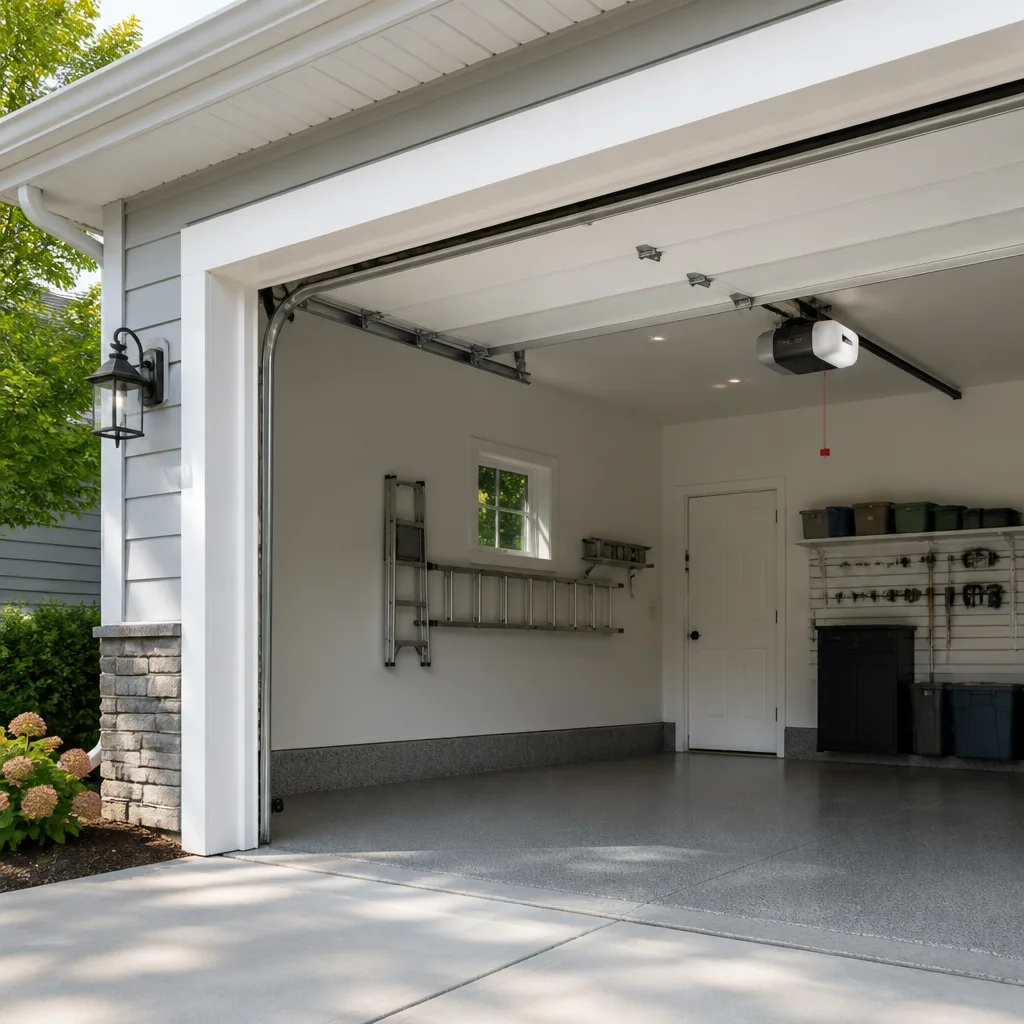 Chamberlain openers
Full 25-point door and opener safety check with every visit - springs, cables, rollers, tracks, and your LiftMaster or Chamberlain opener included
You get a price before we start. It does not change when the pro arrives.
Get your free estimateDIY vs Professional Garage Door: The Waco Homeowner’s Decision Guide
A torsion spring, fully wound, holds about 100 foot-pounds of torque. That’s not a repair gone slightly wrong if it lets go. That’s a hospital visit. Yet every week, homeowners in Waco search for DIY garage door repair, buy a winding bar off a marketplace listing, and try to save a few hundred dollars on the one job where “just be careful” is not an acceptable instruction. Here’s the honest truth most companies won’t give you: most garage door maintenance is genuinely safe to do yourself. The line between what you can handle and what you can’t is much narrower than a service company wants you to believe, and much wider than a YouTube tutorial implies. This guide walks through every common task, where the real line sits, and how to know which side of it you’re on.
Quick Answer
Homeowners can safely handle weatherstripping, sensor alignment, track cleaning, lubrication, and remote programming. Torsion springs, cables, bottom brackets, and opener motor replacements are professional-only because a mistake can cause serious injury or void the warranty. Anything involving the high-tension side of the door system belongs to a trained technician, full stop. Everything else is a judgment call based on your tools, your comfort, and whether a mistake would be a cheap fix or a costly one.
Styles & brands we work with
- Raised-panel steel
- Carriage house
- Modern flush
- Full-view glass
- LiftMaster openers
- Chamberlain openers
Table of Contents
- Where the Real Line Sits
- Task-by-Task Breakdown: Safe, Risky, Professional-Only
- Which DIY Actions Void Manufacturer Warranties
- The Actual Tool List and Skill Prerequisites
- Cost-Benefit Math for the Most Common Waco DIY Jobs
- Doing the Safe DIY Tasks Correctly the First Time
- Common Mistakes to Avoid
- When to Call a Professional
Where the Real Line Sits
The DIY question is usually framed as a skill question. Can you handle it? Do you have the tools? Have you watched enough videos? That framing misses the actual point. The right question is: what happens if this goes wrong? A misaligned safety sensor costs you five minutes and a walk back to the wall button. A slipped torsion spring costs you fingers, a wrist, or worse.
Garage doors work on stored energy. The springs, whichever type your door uses, are doing the heavy lifting every time you or your opener raises a 150- to 250-pound panel assembly. That energy doesn’t care whether you’re licensed. It only cares whether the spring is properly wound and properly restrained. When it releases without control, the result is not a broken door, it’s a broken wrist.
On our side of the ledger, we’ve seen what happens when homeowners get the classification wrong. Not because they were careless. Because the tutorials they trusted skipped the part about how much energy is under tension on a door that looks perfectly still. In Waco, where so many homes have older doors still running their original springs, we come across this more than you’d think. The safe tasks are safe. The dangerous ones are genuinely dangerous. This guide draws the line clearly, without the scare tactics, so you can decide with real information rather than a sales pitch.
Task-by-Task Breakdown: Safe, Risky, Professional-Only
Here’s the breakdown most garage door companies won’t give you, because it doesn’t push enough service calls. We’ll give it to you straight.
Safe DIY: Do These Yourself
- Weatherstripping replacement. Bottom rubber and perimeter seals wear out from sun and heat. Pull the old strip, slide in a new one, trim to fit. No tension involved.
- Safety sensor alignment. The two small photo-eye lenses near the floor should face each other and light up steadily. Adjusting the bracket to get both lights solid is a five-minute job.
- Lubrication. White lithium grease on hinges, rollers, and the torsion bar bearing plate. Silicone spray on the tracks. Skip the tracks if you have nylon rollers, they don’t need it.
- Track cleaning and debris removal. A dry cloth and a shop vac. Waco’s summer dust and pollen collect fast in the track channel.
- Remote and keypad programming. Every Chamberlain and Genie opener made in the last decade has a learn button and a straightforward pairing sequence.
- Visual inspection. Look for frayed cables, spring gaps, bent tracks, loose hinges, worn rollers. You don’t have to fix what you find. You just have to know.
DIY-Possible but Not Recommended
- Roller replacement. Doable with a ladder and a set of new rollers, but the door has to be raised and secured correctly. If the door isn’t locked in the up position with a proper clamp, you’re working under a heavy object.
- Panel section replacement on a multi-section door. Cosmetic panels on some doors swap out cleanly. Others require releasing spring tension to maneuver the panel, which puts you back on the dangerous side.
- Opener unit swap. Replacing a dead opener with a new one of the same brand and rail style is doable if you’re comfortable with wiring and can safely re-use the existing bracket. The danger is in the spring and door balance adjustments that come after.
Professional-Only: Do Not Attempt
- Torsion spring replacement or adjustment. Winding bars, tension calculations, and the physical risk of a spring letting go. This is the task that causes serious injuries.
- Extension spring replacement. Less stored energy than torsion, still enough to take a finger or worse if a safety cable isn’t in place or the door is at the wrong height.
- Cable replacement. Cables are under the same tension as the springs. One slip and the door can drop.
- Bottom bracket work. The bracket holding the cable at the bottom of the door is under constant tension. Never loosen it.
- Balance adjustment. Setting the door so it holds at half-height requires spring tension changes. That’s spring work.
Which DIY Actions Void Manufacturer Warranties
Manufacturer warranties on Clopay, Amarr, Chamberlain, and Genie products vary in the details, but three categories come up consistently. Any modification or repair to the spring system performed by anyone other than a qualified technician typically voids the spring and balance portion of the warranty. Any electrical work on an opener beyond plugging it in voids the opener warranty. And structural panel modifications, cutting or drilling into a section, usually void the door panel warranty.
Here’s what that means in practice. If you replace a torsion spring yourself and the door sags six months later, the manufacturer has no obligation to you, even though the door panel itself is still under warranty. If you try to swap a Chamberlain opener’s circuit board and short something, that’s on you. Read the warranty booklet that came with your door and opener before you pick up a tool. It’s usually folded into a plastic sleeve hung on the door’s top bracket or stapled into the owner’s manual. If it’s gone, most manufacturers publish theirs online.
The Actual Tool List and Skill Prerequisites
This is the section most guides skip. Here’s what a technician’s van actually carries for the safe tasks, and what you need at home to match it.
For weatherstripping: a utility knife, a pair of pliers (channel-lock style works best), a tape measure, and the correct replacement strip. Prerequisite: you can identify whether the door needs a bottom seal or a perimeter seal, because they’re different products.
For safety sensor work: a screwdriver, a level, and a helper. You can’t align a sensor on one side while standing on the other side watching the light. Prerequisite: you know what “steady light” looks like compared to “blinking” or “off.”
For lubrication and cleaning: white lithium grease, silicone spray, a dry cloth, a shop vac. Prerequisite: know which components get grease (hinges, rollers, bearing plate) and which get silicone (tracks, if at all).
For panel inspection: a good flashlight and a clean rag. That’s it. No tools required to look.
If a task needs a power tool, a ladder plus a second person, or any kind of spring winding bar, that’s the signal to stop. Do not go to the hardware store. Call a specialist. The tools a technician uses for spring work cost more than the typical service call, and the injury risk isn’t worth the savings.
Cost-Benefit Math for the Most Common Waco DIY Jobs
The math looks different than you might expect on some of these. Here’s the honest breakdown, using typical ranges we see on estimates for Waco homes.
- Weatherstripping. Materials run $20 to $40 depending on door width. A service call adds labor on top. This one is a genuine win for DIY if you have a Saturday morning.
- Safety sensor replacement. New sensor pairs are inexpensive. Alignment is free. If the sensors are actually dead, an electrician or garage door tech swap is worth the call, but alignment alone is DIY territory.
- Roller replacement. A set of good nylon rollers costs less than a service call. The risk is doing it wrong and dropping the door. If you’re comfortable with the process, fine. If you’re not, the labor is a reasonable premium.
- Panel swap on a single-panel door. Materials dominate the cost. Labor is small. Reasonable to DIY with the right replacement panel.
- Spring replacement. Materials for a torsion spring pair are $60 to $130 depending on door size. Professional replacement is a different scale entirely. If you attempt it yourself, the risk isn’t the door, it’s you. That’s the math no spreadsheet captures.
The pattern is clear. If the task involves tension, hire it out. If it doesn’t, do it yourself.
Doing the Safe DIY Tasks Correctly the First Time
Here’s how a technician approaches the safe tasks so you can match the standard.
Weatherstripping. You need the right product for your door width, not an approximate fit. Bottom seals slide into a retainer channel; perimeter seals fasten to the jamb with screws or adhesive. Measure the door opening, not the door panel, and check whether the existing retainer is T-style, U-style, or bead-style before you buy. The replacement should compress snugly against the floor when the door is closed, not loosely dangle below it.
Safety sensors. The two lenses should be mounted at the same height, both face each other with a clear line of sight, and both show a solid light. If yours blink, that’s a fault code, not a misalignment. Check that nothing small (a leaf, a cobweb, a piece of Waco summer dust) is blocking the beam before you adjust anything. The beam should sit no more than a few inches above the floor.
Lubrication. A small amount, applied cleanly, is better than a heavy coat. Grease the hinge pivot points, the roller stems, and the torsion bar bearing plate once or twice a year. Too much grease on the tracks attracts dust and the door will grind. Skip the tracks on nylon rollers entirely.
Test procedure. After any adjustment, cycle the door fully open and fully closed three times. Then place a small object (a roll of paper towels works) in the door’s path and confirm the door reverses on contact. If it doesn’t reverse, the safety system has a problem. Stop and call us.
What sets our team apart is that we only work on garage doors, all day, every day. When we walk up to a Genie or a LiftMaster or a Clopay or a Wayne Dalton, we’ve diagnosed that brand hundreds of times. Our technicians have up to 11 years of experience, and we’ve learned that the fastest, kindest answer is usually the honest one.
Common Mistakes to Avoid
- Buying the wrong weatherstripping size. Measure the door opening, not the door, and check the track style. Half the misplaced-strip calls we see in Waco come from one of those two mistakes.
- Over-lubricating the tracks. Grease on the track channel attracts dust from Texas summers. The rollers roll worse, not better.
- Assuming a blinking sensor means misalignment. Blinking means the sensor is receiving an interrupted signal, which is often a genuine fault, not just bad aim. Test before adjusting.
- Adjusting the opener’s travel limits to “fix” a slow door. If the door is slow or sluggish, the problem is balance, not travel. Adjusting the limits masks the real issue and wears out the opener motor faster.
- Loosening the bottom bracket while trying to replace a cable. That bracket holds the cable at the bottom of the door and is under full tension. This is the mistake that sends people to the ER.
- Cutting or drilling into a panel for a new opener bracket. Most homeowner-installed openers fail because the bracket wasn’t attached correctly or was attached through a panel, which voids the door warranty.
- Skipping the safety reverse test after every adjustment. It’s the single most important check and the one most homeowners skip.
When to Call a Professional
Call a professional for anything involving springs, cables, bottom brackets, tension, and balance. Call for a door that won’t open, a door that opens crooked, a door that slams down, or an opener that runs but the door doesn’t move. Call if you’ve heard a snap or a pop from the spring area, if the door feels heavier than usual, or if the door no longer holds at half-height. Call if you’re not sure, and we’ll use the free estimate to look at it and tell you what we’d do in your position.
We handle garage door repair, garage door opener repair, and full installation for every brand on the door, whether it says Clopay, Amarr, LiftMaster, or Chamberlain. Waco Garage Door Service offers free estimates across Waco. Call (855) 916-7192. We answer 24/7. Fast dispatch from 7am to 7pm, Sunday through Friday. Closed Saturday.
See the difference
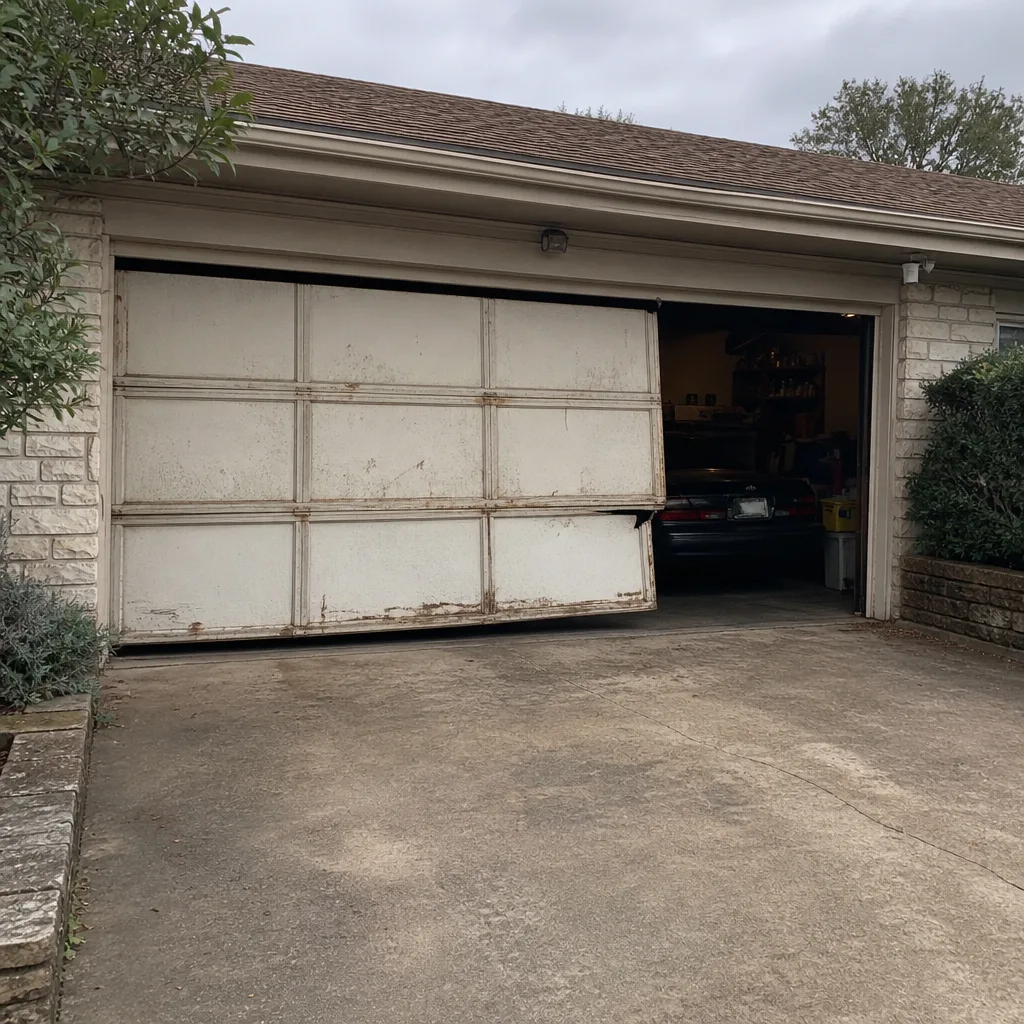 Before
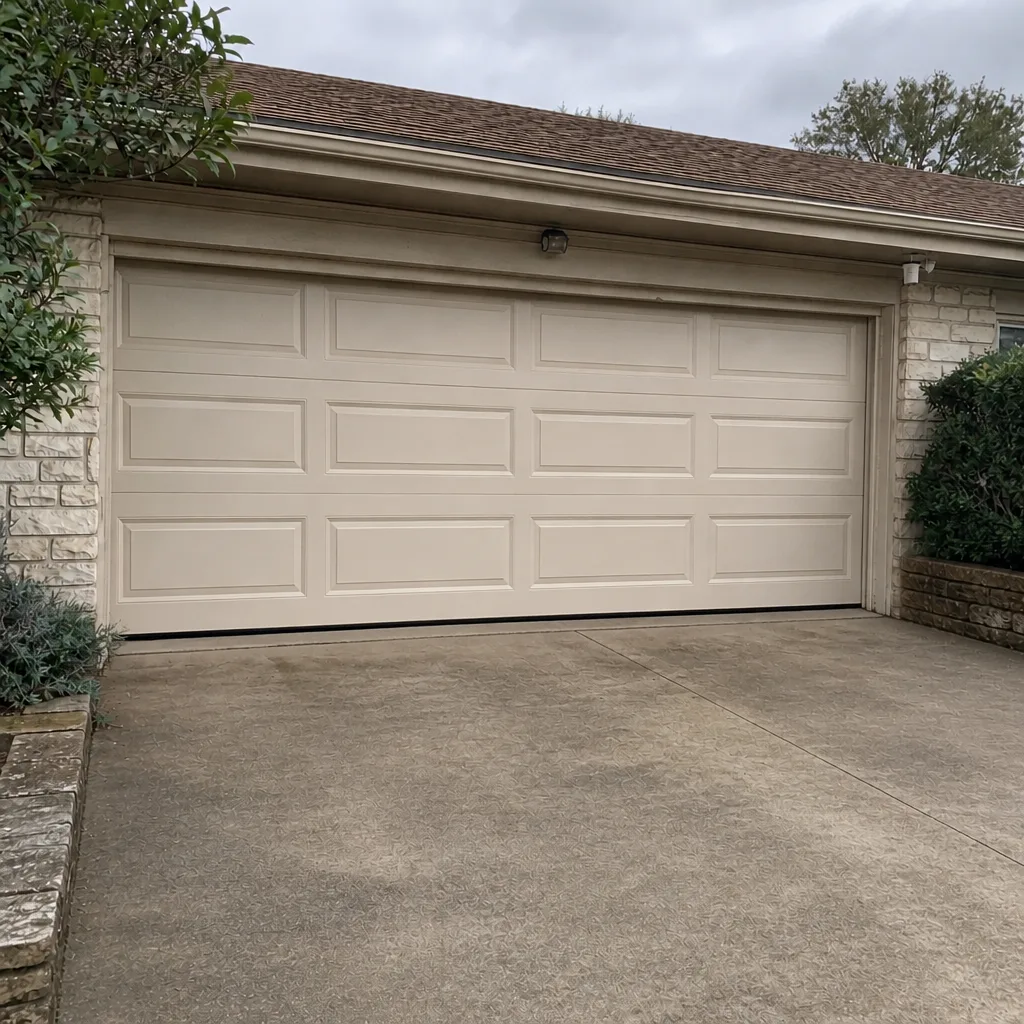 After
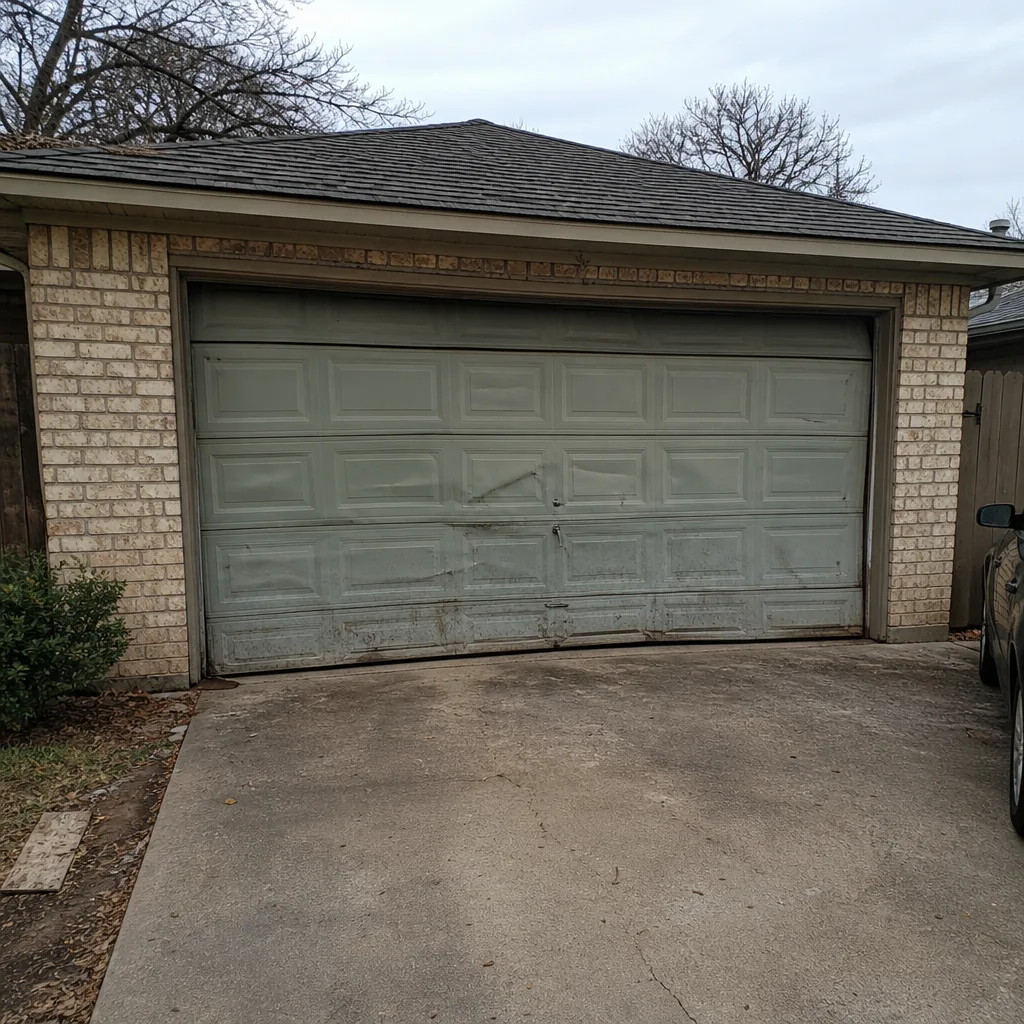 Before
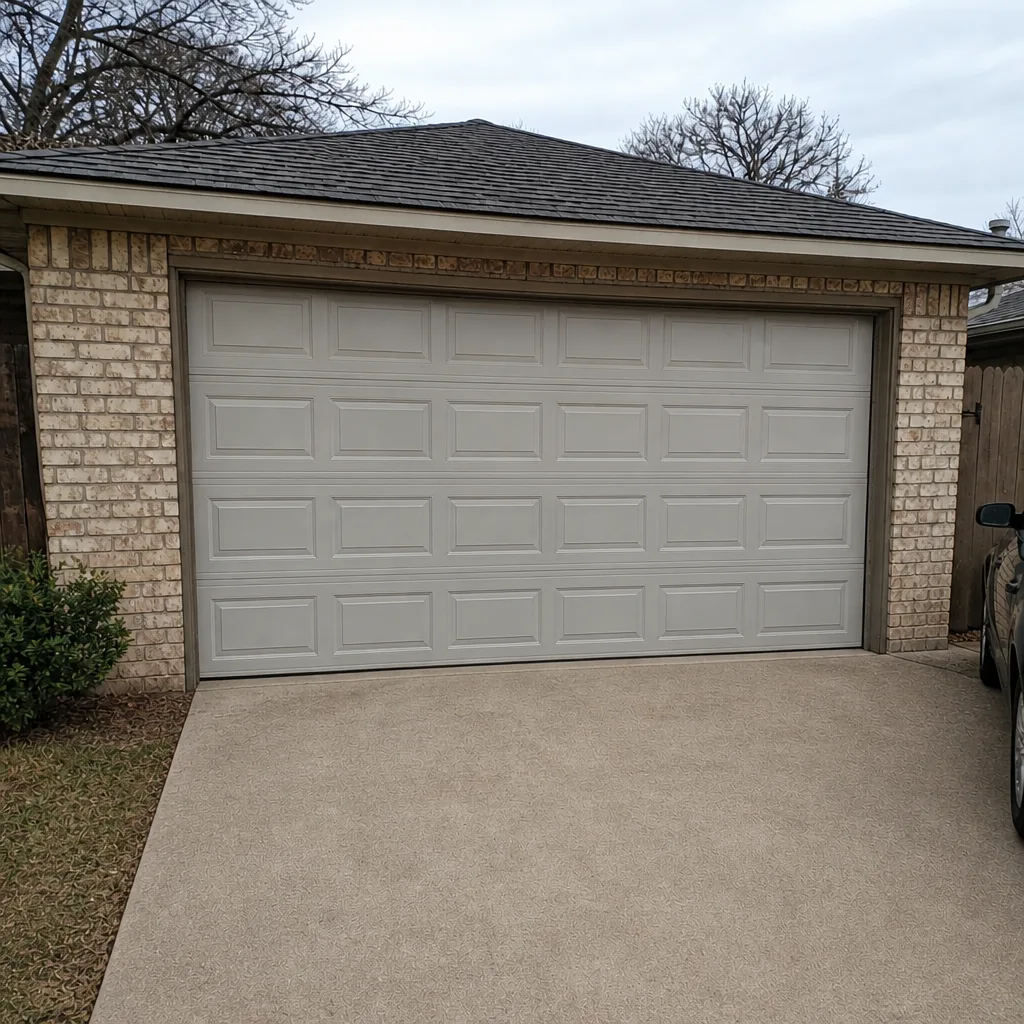 After
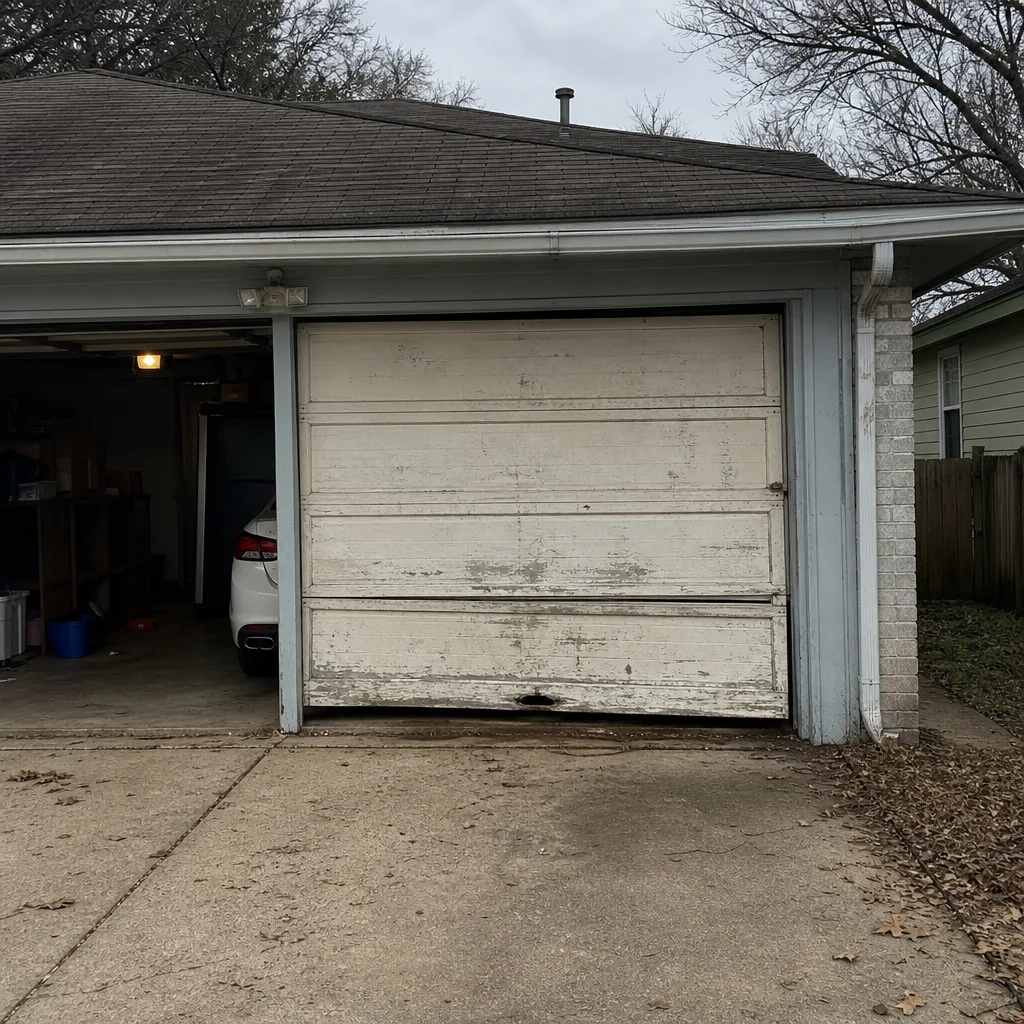 Before
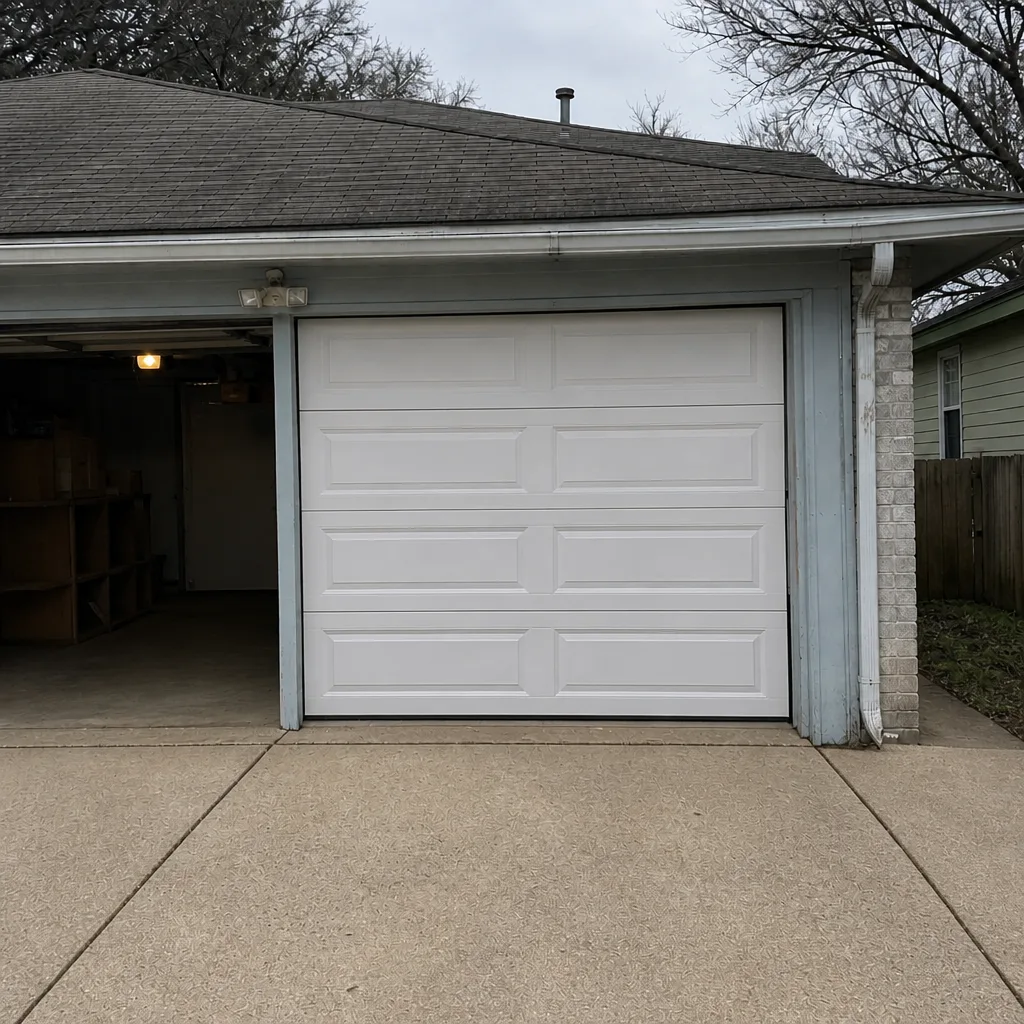 After
Frequently Asked Questions
No. Torsion spring replacement requires specialized winding bars, correct tension calculations, and a level of comfort with stored energy that no tutorial can teach safely. A wound torsion spring holds enough force to cause serious injury if it releases unexpectedly. Call a trained technician. Call (855) 916-7192 for a free estimate; we handle spring work and can work with your schedule Sunday through Friday, 7am to 7pm.
Safely replacing the weatherstripping on the bottom seal is the single safest garage door task. It involves no stored tension, no opener adjustments, and no risk beyond a scraped knuckle. The second-safest is aligning safety sensors, followed by lubrication and track cleaning. If a job goes beyond those, it’s worth a call to check before you buy parts.
Clopay, Amarr, Chamberlain, Genie, and most other major manufacturers void the spring and balance portion of their warranty when spring work is done by anyone other than a qualified technician. The panel warranty may stay intact, but any claim related to sagging or balance won’t be honored. Read the warranty booklet that came with the door before picking up tools.
Yes, same-day repair is often possible for many garage door problems, though it depends on the job and parts availability. Springs and cables are commonly stocked, but unusual door sizes or premium brand panels may need a day to order. Call (855) 916-7192 for the fastest path to a real answer. Estimates are free.
Repair almost always makes sense unless the door panels are structurally compromised, rusted through, or more than one panel is failing. Our default philosophy is repair first. A well-maintained Clopay or Amarr door regularly outlives multiple spring sets and opener replacements. If we recommend replacement, we’ll tell you exactly why. That recommendation comes from the technician on-site, not from a script.
If the door is stuck closed, the standard fix is to pull the emergency release cord on the opener (usually a red handle hanging from the rail), then lift the door manually. If the door is too heavy to lift, the spring has failed and should not be forced. Call (855) 916-7192. We answer 24/7. A call outside dispatch hours is booked into the next opening, Sunday through Friday, 7am to 7pm.
Yes. Our technicians are licensed and insured, and we work on whatever brand is already on the door rather than steering you toward a brand we’d rather sell. That brand-agnostic repair approach is what sets a specialist apart from a big-box installer. Call (855) 916-7192 for a free estimate. Estimates are free and the price is quoted before any work begins.
That happens, and we don’t make a big deal of it. If you start a weatherstripping job and realize the retainer is a style you didn’t buy, put the tools down and call. The half-done work is not a problem. What is a problem is starting a spring job and stopping partway through, so leave spring work to us from the start. Call (855) 916-7192 and we’ll finish what you started or tell you what we’d do in your position.
The Bottom Line
Most garage door maintenance is safe to do yourself, and we mean that. Weatherstripping, sensors, lubrication, track cleaning, and remote programming are all reasonable homeowner tasks with real savings. Spring work, cable replacement, bottom bracket work, and balance adjustments are not. The 100 foot-pounds of stored torque in a wound torsion spring doesn’t get safer with tutorials. It only gets safer with proper tools and proper training. Know which side of that line you’re on, and you’ll save money without risking your hands. If you’re not sure which side a task falls on, call us and we’ll tell you honestly what we’d do. We handle all three core services, repair, opener repair, and installation, at Waco Garage Door Service.
Get a Free Estimate in Waco
If you’re past the safe DIY line, or if you’ve started a job and want a trained eye on it, we’ll take a look. Call (855) 916-7192 for a free estimate. We answer 24/7. Fast dispatch from 7am to 7pm, Sunday through Friday, closed Saturday. Every estimate is free, every price is quoted in writing before any work starts, and every technician we send out works on the brand already on your door. That’s how garage door work should go in Waco, and it’s how we’ve built our reputation doing it.
Written by the team at Waco Garage Door Service.