
Last updated November 16, 2026
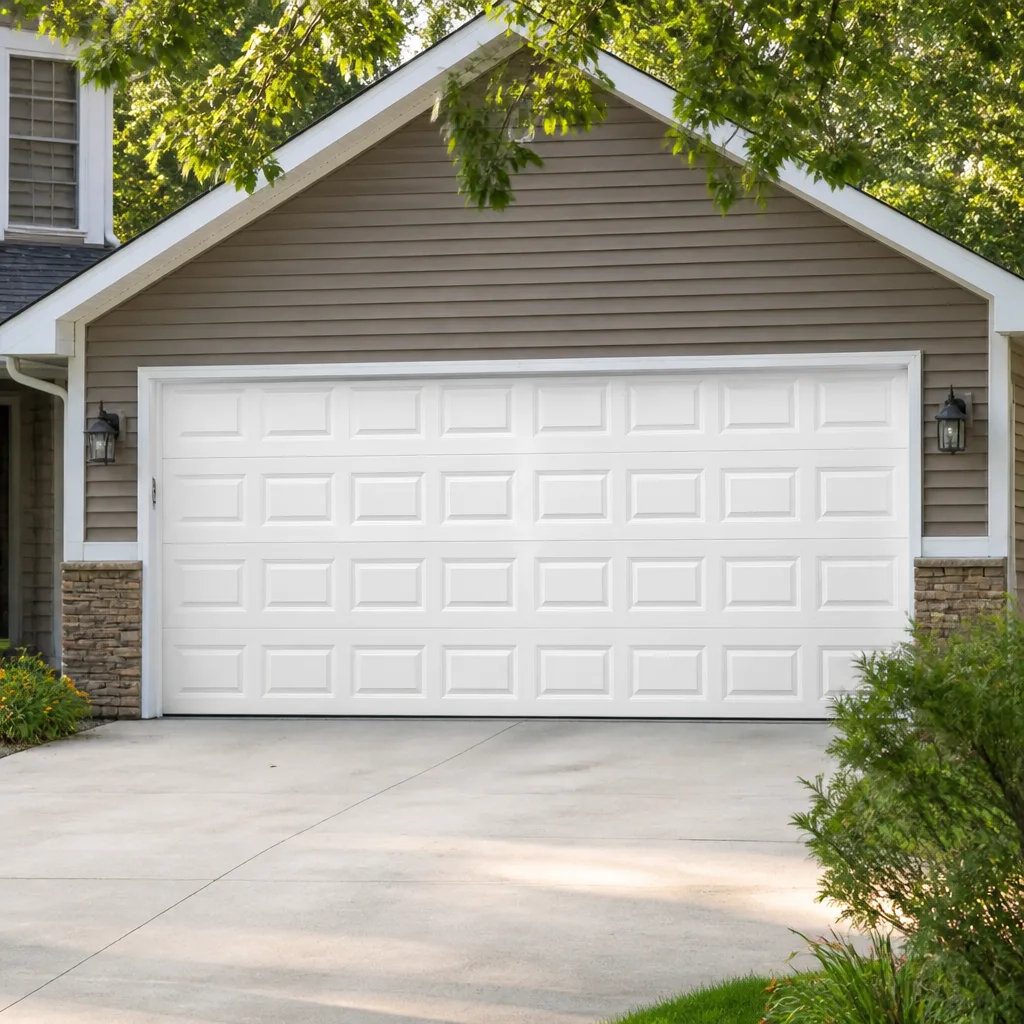 Raised-panel steel
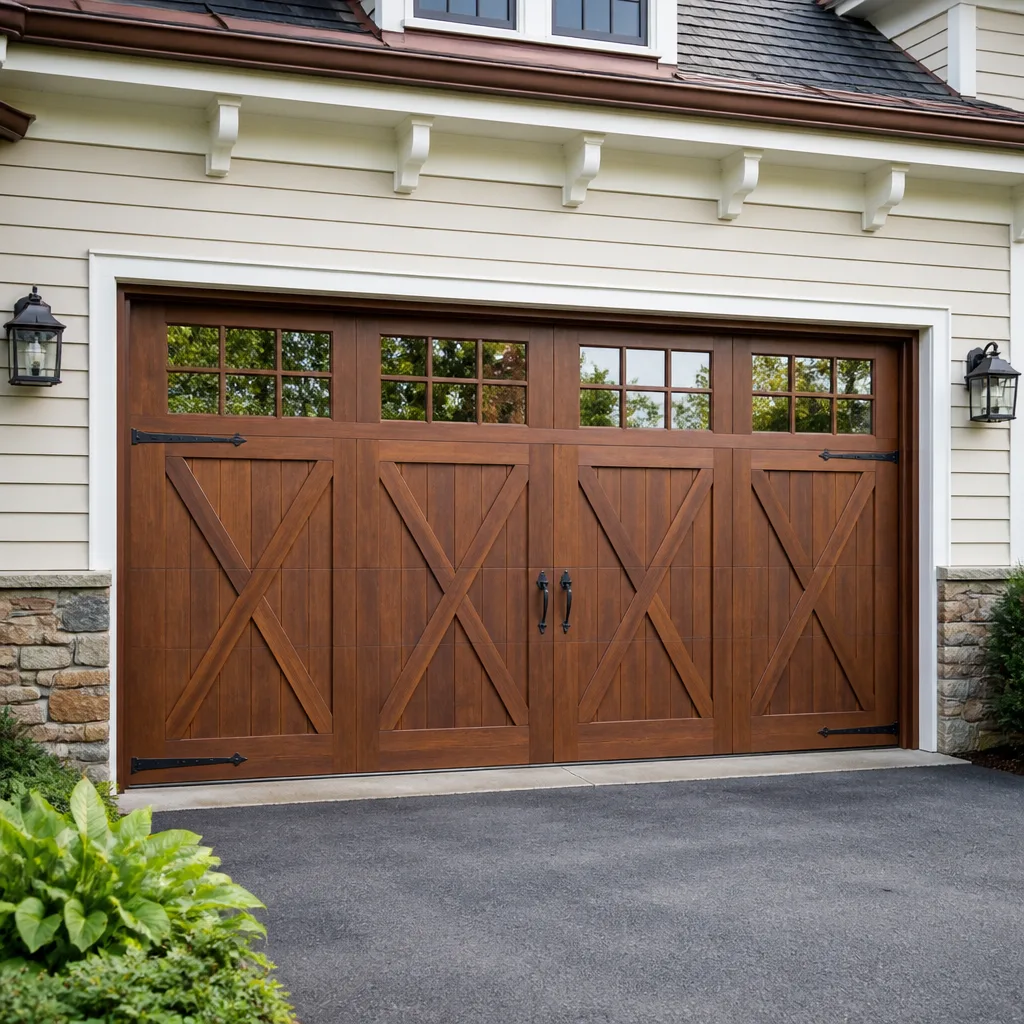 Carriage house
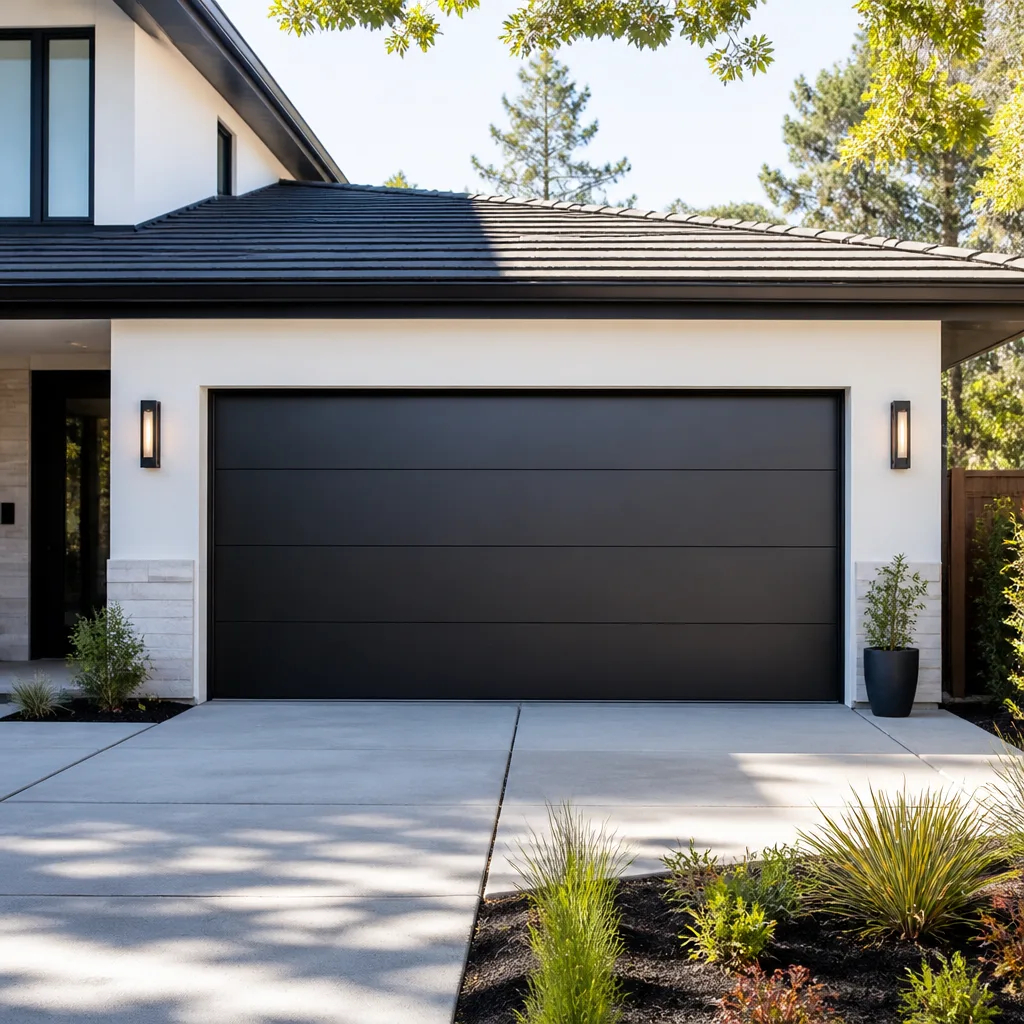 Modern flush
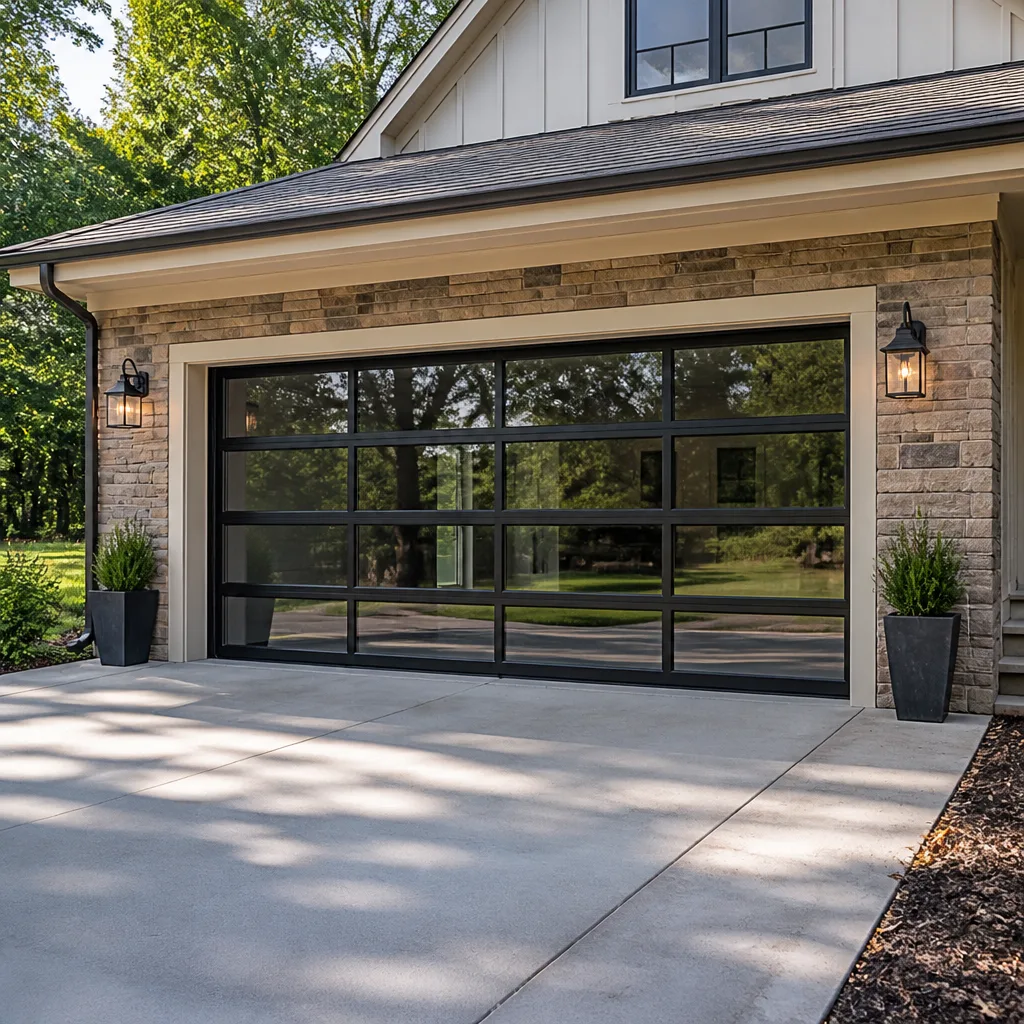 Full-view glass
 LiftMaster openers
 Chamberlain openers
Full 25-point door and opener safety check with every visit - springs, cables, rollers, tracks, and your LiftMaster or Chamberlain opener included
You get a price before we start. It does not change when the pro arrives.
Get your free estimateSeasonal Garage Door Care for Waco: Year-Round Homeowner’s Guide
Most garage door advice you’ll find online assumes four equal seasons and a hard winter. Waco doesn’t work that way. Our year is closer to one long hot stretch from late spring into early fall, a short and mostly gentle winter that can still throw a surprise ice event at you, and two shoulder seasons where humidity does more damage to garage doors than temperature ever does. The failures that bring people to the phone usually start months earlier, quietly, in weather nobody thought twice about. This guide walks through the Waco calendar task by task so you can catch those problems on a mild afternoon instead of on the morning your door won’t close.
Quick Answer
Seasonal garage door maintenance in Waco comes down to two short inspections a year, one in early spring before storm season and one in late fall before the first freeze risk, plus a few minutes each month checking the balance, the safety reverse and the hardware. The tasks that matter most here are humidity control for wood and steel doors, track and cable checks before tornado season, and a light-touch approach to “winterizing” that never overtightens a door built for a mild climate.
Styles & brands we work with
- Raised-panel steel
- Carriage house
- Modern flush
- Full-view glass
- LiftMaster openers
- Chamberlain openers
Table of Contents
- The Waco Garage Door Calendar: Tasks by Season
- The Two 15-Minute Shoulder-Season Inspections
- How Waco Humidity Treats Wood and Steel Doors Differently
- Pre-Storm Checklist for Tornado Season
- Why Winterizing a Waco Door Is Different
- Opener Care Through Heat, Storms and Power Blips
- The Monthly Five-Minute Walk-Around
- When to Call a Professional
The Waco Garage Door Calendar: Tasks by Season
Generic maintenance charts split the year into neat quarters. A Waco chart follows the actual weather, which is why we tie each task to a local pattern rather than a month on a wall calendar. Here’s how the year breaks down for a garage door in Waco.
Late winter to early spring (February through April)
- Post-freeze inspection: after any ice event, look at the cables and springs before you cycle the door normally. Freeze stress shows up in cables first.
- Cedar season dust: the fine pollen that coats everything in Central Texas in early spring also settles on tracks and rollers. Grit in a track grinds the finish off rollers and makes the door drag.
- Weather seal check: the bottom seal takes its worst beating between wet spring air and the first hot weeks. A cracked seal lets in water, insects and heat.
Spring storm season (April through June)
- Manual release test: before the first serious storm threat of the year, confirm the red pull cord actually disengages the door.
- Track and anchor inspection: high wind events and the debris they carry are hard on tracks. Brackets that have loosened need attention now, not after a door comes off its track.
- Backup power: openers with battery backup need a working battery, and this is the season to confirm it.
Peak heat (July through September)
- Lubrication: heat thins and cooks lubricant faster than most homeowners expect. Rollers, hinges and the torsion hardware need a fresh light coat.
- Seal and paint: this is when sun damage to a west-facing door shows up. Touch up paint before wood grain opens or steel begins to pit.
- Opener strain: a door that binds in the heat puts extra load on the opener motor and gears. If the door feels heavy, the opener is working harder than it should.
Late fall and winter (October through January)
- Pre-freeze inspection: the second big check of the year. Springs, cables, hinges and the seal all get looked at before the first hard freeze risk.
- Drainage and moisture: wet fall weather exposes wood rot and steel rust that a dry summer hid.
- Holiday load: doors get cycled more in this stretch, and decorations sometimes get hung on door hardware. Keep weight off the moving parts.
February is the month we hear from the most homeowners in this region, and it isn’t the cold that does it. It’s that cables and springs have spent ten months being stressed by heat and humidity, and then an ice event pushes them past the limit. A little attention the rest of the year spreads that stress out and gives you a chance to catch the wear before it becomes a breakdown.
The Two 15-Minute Shoulder-Season Inspections
Two short inspections a year catch the large majority of problems before they turn into an emergency call. Neither takes more than fifteen minutes, and you don’t need tools beyond a rag, a flashlight and a glance at your owner’s manual. Do one in early spring, one in late fall.
The spring inspection (before storm season)
- Look up at the springs. Check the torsion spring above the door or the extension springs along the sides for gaps, rust streaks or stretched coils. Don’t touch a torsion spring under tension, and never try to adjust one yourself. If it looks wrong, call.
- Check the cables. Run your eye along each cable for fraying, kinks or rust. Cables are under high tension and can snap with serious force, so inspect them visually only.
- Examine the tracks. Look for dents, bends or debris, and check that the brackets holding the tracks to the wall are tight. A loose bracket is a storm-season hazard.
- Test the manual release. With the door closed, pull the release cord and lift the door by hand. It should move smoothly. Lower it gently and re-engage the opener.
- Test the safety reverse. Put a roll of paper towels or a block of wood in the door’s path and close it. The door should reverse on contact. If it doesn’t, stop using the opener until it’s adjusted or repaired.
The fall inspection (before freeze risk)
- Check the bottom seal. Cracked, torn or hardened rubber won’t seal against ice, water or wind, and it lets heat out all winter.
- Look at wood panels and trim. Soft spots, bubbling paint or dark discoloration point to moisture that got in during the wet season. Wood door repair early is far cheaper than wood door replacement.
- Check steel panels for rust. Any spot where paint has lifted or a screw has rusted needs to be treated before winter.
- Cycle the door and listen. A new clunk, grind or squeal that wasn’t there in summer is telling you something. Find the source before cold weather firms everything up and makes it worse.
- Confirm the opener’s backup battery. If your opener has battery backup and it’s been sitting through a hot summer, test it now.
Two mornings a year. That’s the whole commitment. In our experience as a team whose technicians have up to 11 years of experience, these two checks prevent more emergency spring, cable and track failures than any other habit. If either inspection turns up something you’re not comfortable handling, garage door repair is what we do.
How Waco Humidity Treats Wood and Steel Doors Differently
Waco’s wet springs and dry summers swing the moisture content of garage doors far more than temperature does. Wood swells in a humid spring, dries and shrinks in July and August, and then swells again in the fall. Every one of those cycles moves the door a little. Steel behaves differently: it doesn’t move much, but it sweats and rusts in the humid months and bakes in the dry ones. Same door frame, two different sets of problems.
Wood doors (and doors with wood frames)
- Spring swelling: in a wet spring, wood panels absorb moisture and expand. You may notice the door binding in the frame or the sections rubbing. Don’t force it with the opener; find out why it’s binding.
- Summer shrinkage: as the wood dries, gaps open at joints and around the bottom seal. Those gaps let water in during the next wet season, which starts the cycle over.
- Fall is the time for paint and sealant. A fresh coat before the cooler, damper months is the single best thing you can do for a wood door in this climate.
- Watch for rot at the bottom edge. Water pools on the bottom rail of any garage door. If the wood feels soft when you press a screwdriver into it, it’s already damaged and needs repair before it spreads.
Steel doors
- Humidity and rust: paint protects steel. Every scratch, every chip around a hinge screw, every lifting edge is where rust starts. In Waco’s humid spring, small rust spots grow fast.
- Heat and paint: a west-facing steel door in August is a hard surface to keep painted. Cracking, chalking and peeling paint are common. Touch up early, before the metal is exposed.
- Insulation and condensation: an uninsulated steel door sweats on humid mornings. That moisture sits against the metal on the inside and rusts it from within. Insulated doors avoid most of this.
- Brands differ in how they’re finished: a Clopay or Amarr steel door is built differently from a Wayne Dalton or Craftsman door, and each has its own touch-up and maintenance quirks. Our technicians work on whatever brand is on your home, so the maintenance matches the actual door.
If your home has a wood door, plan on an annual repaint or reseal in the fall. If it has steel, plan on a spring and fall inspection for rust spots and paint chips. Either way, keep water moving away from the door: a small grade or gutter repair outside prevents a lot of rot and rust inside the garage.
Pre-Storm Checklist for Tornado Season
Central Texas storm season runs roughly April through June, though it can start earlier. A garage door is the largest moving part of your house, and it’s also the most vulnerable to wind. A few minutes of preparation before the season starts is the best insurance against a door that won’t open when you need to get out, or one that comes off its tracks in a storm.
- Test the manual release and put the red cord somewhere you can reach it. If the power goes out, this is how you open the door by hand. On a Genie or Chamberlain opener, the release works the same way: pull the cord and the trolley disconnects from the door. Practice once so you know how it feels.
- Check the tracks and anchor brackets. Loose wall brackets are the most common cause of a door that comes out of its tracks. Tighten or repair loose brackets before the winds arrive.
- Confirm opener backup power. Many LiftMaster, Chamberlain and Genie openers sold in recent years offer battery backup, which lets the door cycle a limited number of times during an outage. Test the battery at the start of storm season, because a battery that sat through a summer may not hold a charge.
- Look at the door panels for damage. A dented or bent panel is weaker against wind, and it may not seal. Dents usually mean a panel replacement, not a new door, if the panel is still available for your brand.
- Inspect the bottom seal and side weatherstripping. A tight seal keeps water out in a heavy rain and reduces wind that gets behind the door.
- Clear the track and path. Move anything stacked near the door that could block it or get blown into it.
- Know who to call if a storm damages the door. Save (855) 916-7192 in your phone now. After a storm, our team can take a look and give you a free written estimate for the repair.
After a storm, don’t force a damaged door open with the opener. If a panel is bent, a track is off, or the door binds, stay clear of the moving parts and call. A door that comes down under power can hurt someone. We answer 24/7, and crews are dispatched Sunday through Friday, from 7am to 7pm, with fast dispatch.
Why Winterizing a Waco Door Is Different
Most winterizing checklists online were written for Ohio or Minnesota, where a door spends months frozen shut and temperatures stay far below freezing. Advice like “tighten everything before winter” or “add a heavy-duty insulation layer” doesn’t fit a Waco winter that’s mostly mild with a few damaging ice events thrown in. Copying cold-climate advice here does more harm than good in two ways.
What Waco homeowners overtighten
- Hinges and hardware: cold-climate checklists often say to “snug every screw and bolt before winter.” Overtightening in a mild climate can distort hinges and bind the door. Hardware should be tight, not over-torqued.
- Spring tension: this is a hard rule, not a tip. Springs are under extreme tension and adjusting them is dangerous. Don’t touch them in any season. If a door feels heavy or the opener is straining, that’s a spring issue and it needs a trained technician.
- Track brackets: a little play in a track bracket is normal on a hot door. Over-tightening in the fall can crack or bind the track once the door expands in spring.
What Waco homeowners under-prepare
- The bottom seal and side weatherstripping: these are what matter for a mild winter. A worn seal lets water and cold air in on a freeze night. Replacing it is one of the simplest, cheapest preventive repairs.
- Drainage: ice events in Waco often follow wet weather. Water that pools against the door on a cold night becomes a hazard. Check that water drains away from the garage door.
- Backup battery: a winter ice event is one of the most likely times to lose power. Test the opener battery before winter, not during the outage.
- The front of the door: a west- or north-facing door takes the weather. Check the paint and finish at the end of the summer so a small touch-up is enough before cold weather.
A Waco “winterize” is really just a careful late-fall inspection and a few inexpensive repairs, not a hardening exercise. The mild winter is a gift. Take advantage of it with a thorough check, and leave the spring tension alone.
Opener Care Through Heat, Storms and Power Blips
The opener is the part of the garage door system that suffers most from Waco’s weather. Summer heat and the small power outages that follow spring storms are the two main causes of opener problems we see. Neither is dramatic. Both are preventable.
Heat
A garage in August is one of the hottest rooms in the house. Opener motors, gears and circuit boards all sit in that heat, and lubricant inside the opener thins out. If your door is binding or running heavy in the summer, the opener is working harder than it was designed to, and that strain shows up sooner on hot days. The fix usually isn’t a new opener. It’s finding what’s binding and repairing it, which is garage door opener repair rather than replacement.
Storm season and power blips
- Surges: a brief power surge from a nearby strike or a transformer event can knock out an opener’s circuit board. Surge protection on the opener’s outlet is a cheap preventive measure.
- Battery backup: if your opener has it, test it before storm season. A backup battery that’s been sitting for a year may not power the door when it matters.
- Re-engaging the door: after a manual release during an outage, re-connect the trolley properly before using the opener. If you’re not sure it’s engaged right, test the door by hand first before you hit the opener button.
- Remote and keypad issues: storm surges rarely affect remotes, but a keypad with a dead battery is one of the most common false alarms after a storm. Replace the keypad battery each year at the start of storm season.
We work on the major opener brands by name, including LiftMaster, Chamberlain, Genie and Craftsman, so there’s usually no reason to replace an opener just because it needs a repair. If a board, gear or motor is failing, we’ll diagnose it and tell you straight whether a repair or a replacement is the better call. Replacement openers should be scheduled and measured, not done in a rush.
The Monthly Five-Minute Walk-Around
Between the two yearly inspections, five minutes a month keeps a Waco garage door out of trouble. None of these steps need a professional, and all of them help catch a problem while it’s still small.
- Cycle the door once with no one in the way. Listen for new sounds. A new sound is almost always cheaper to fix early than late.
- Check the safety reverse. Every couple of months, close the door on a roll of paper towels or a block of wood and confirm it reverses.
- Look at the track for debris. Cedar pollen, leaves and grit build up in tracks. Wipe them out with a damp rag, not a lubricant.
- Check the bottom seal by hand. Run a hand along the seal and feel for cracks or hard spots. Replace a failing seal before water gets in.
- Press on any hinge or bracket that looks loose. If a bolt is backing out, tighten it, but don’t overtighten.
- Look at the light and the wall button. A flickering light or a wall button that needs a hard press can be an early sign the opener’s board is aging. Small signs are worth a call, because the cost of an opener repair is usually far less than a new opener plus installation.
A door that runs smoothly in the cooler weeks and drags in the hot ones is telling you something. So is a door that starts making a sound in February that it didn’t make in November. A five-minute check turns that signal into action while it’s still inexpensive.
Common Mistakes to Avoid
- Overtightening hardware before winter. Cold-climate checklists encourage tightening every bolt, but in Waco’s mild climate that can distort hinges, bind the door and crack track brackets when the door expands again in spring.
- Ignoring humidity until the wood looks bad. The dry summer is when wood doors lose the moisture that swelling spring absorbed. Repainting and resealing in the fall, once the wood has dried out, is far more effective than doing it in the wet season.
- Using WD-40 in the tracks. Oil in the tracks attracts grit, and grit in a track grinds rollers. Lubricate the rollers and hinges, not the track itself.
- Forcing a stuck door with the opener. If the door binds, the opener may keep trying until it strips a gear or breaks a spring. Stop using the opener and find the binding cause.
- Skipping the safety reverse test. The safety reverse is the single most important safety feature on the whole system. Test it every couple of months, and stop using the opener if it fails.
- Tightening a torsion spring yourself. Torsion springs store enough energy to cause serious injury. This is a line no homeowner should cross; a trained technician does this work.
- Forgetting the opener backup battery. If your opener has battery backup and you’ve never tested it, test it now. A battery that sat through a Waco summer may not hold a charge.
See the difference
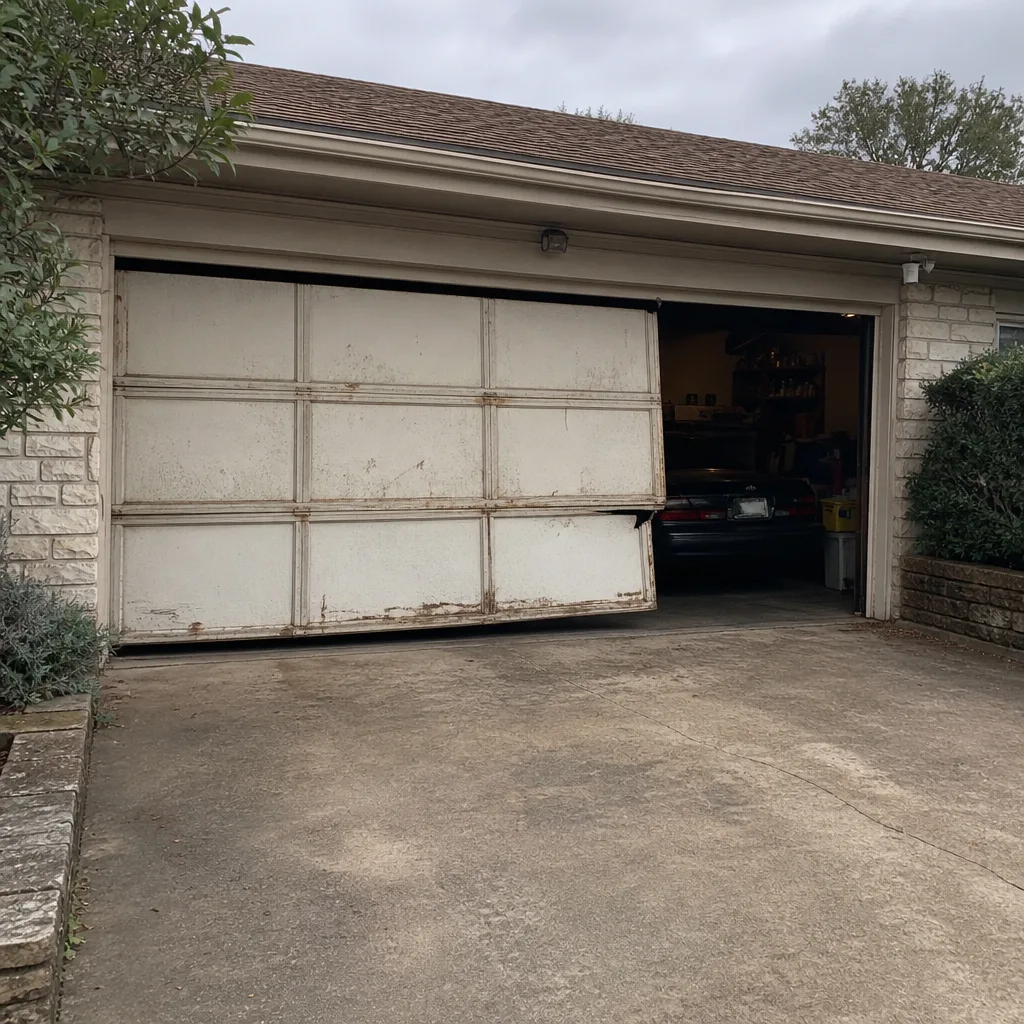 Before
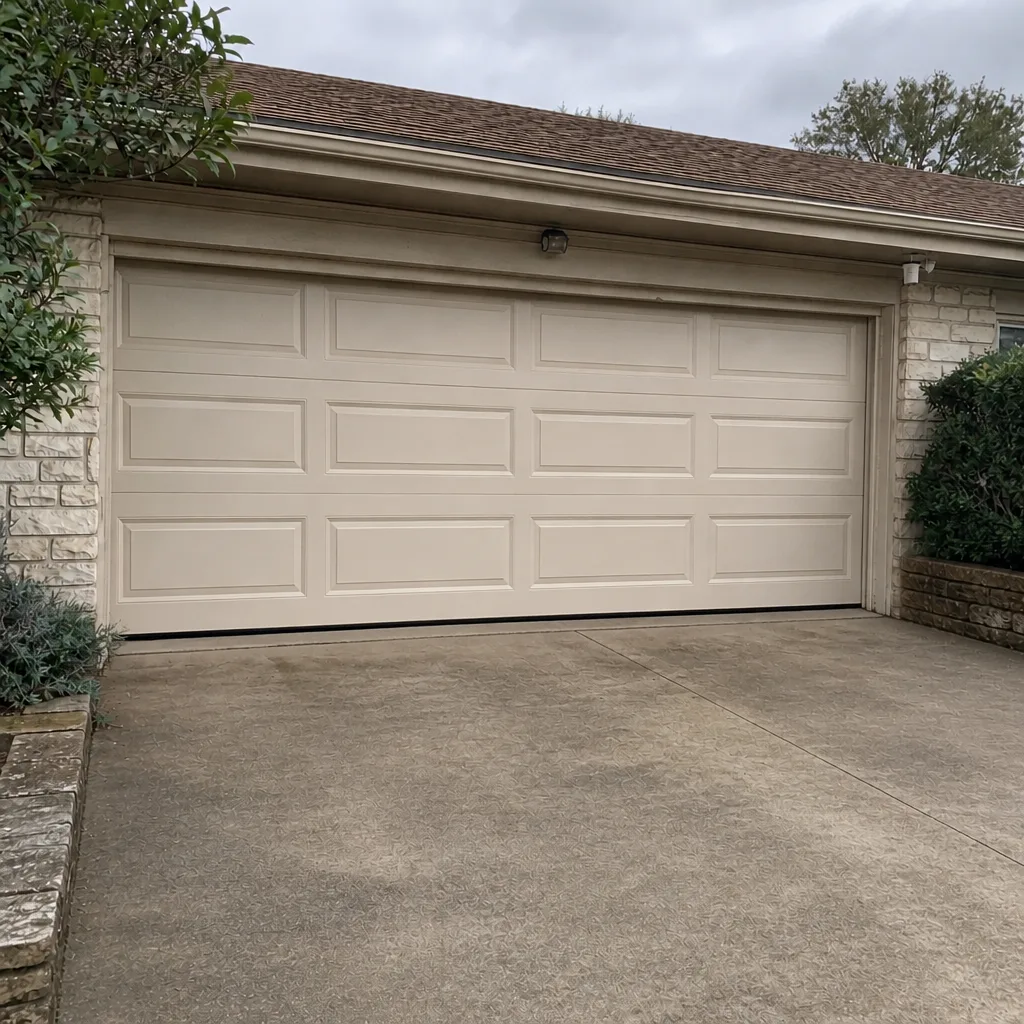 After
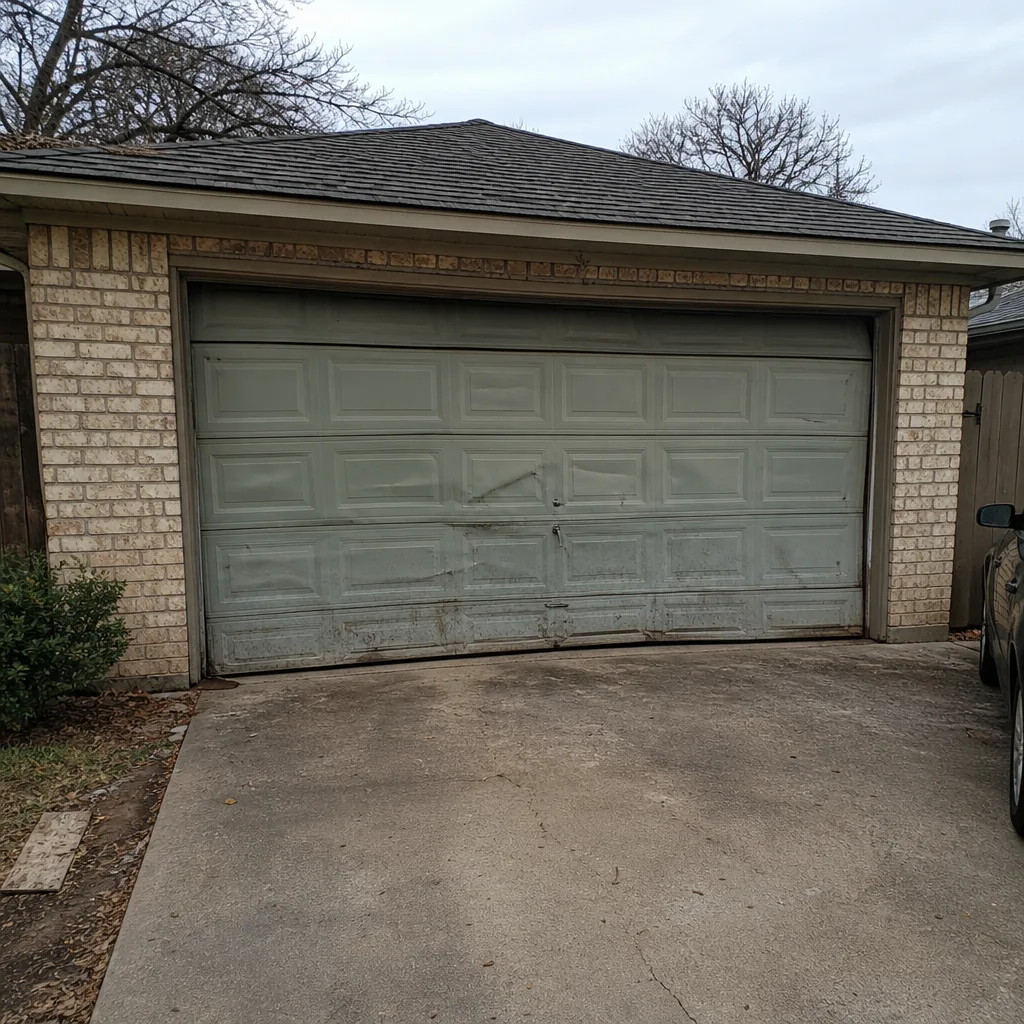 Before
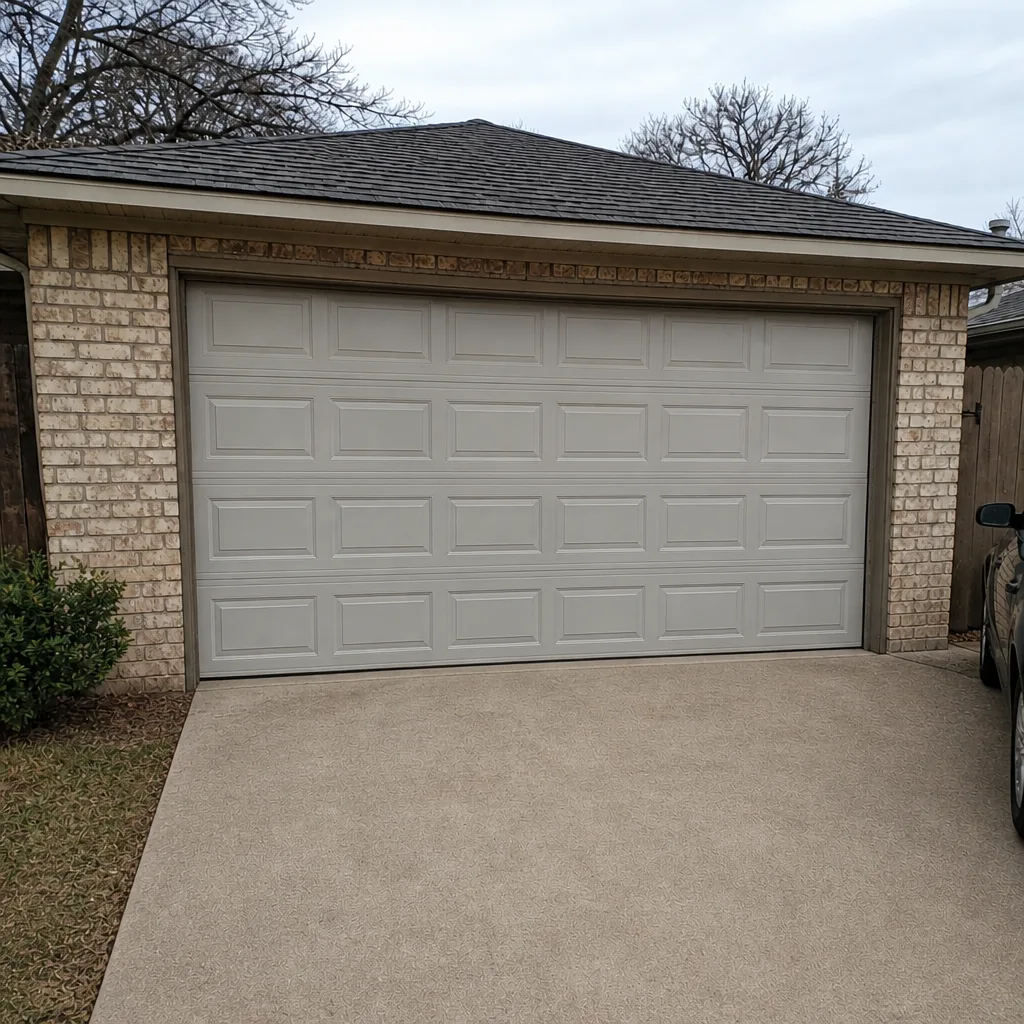 After
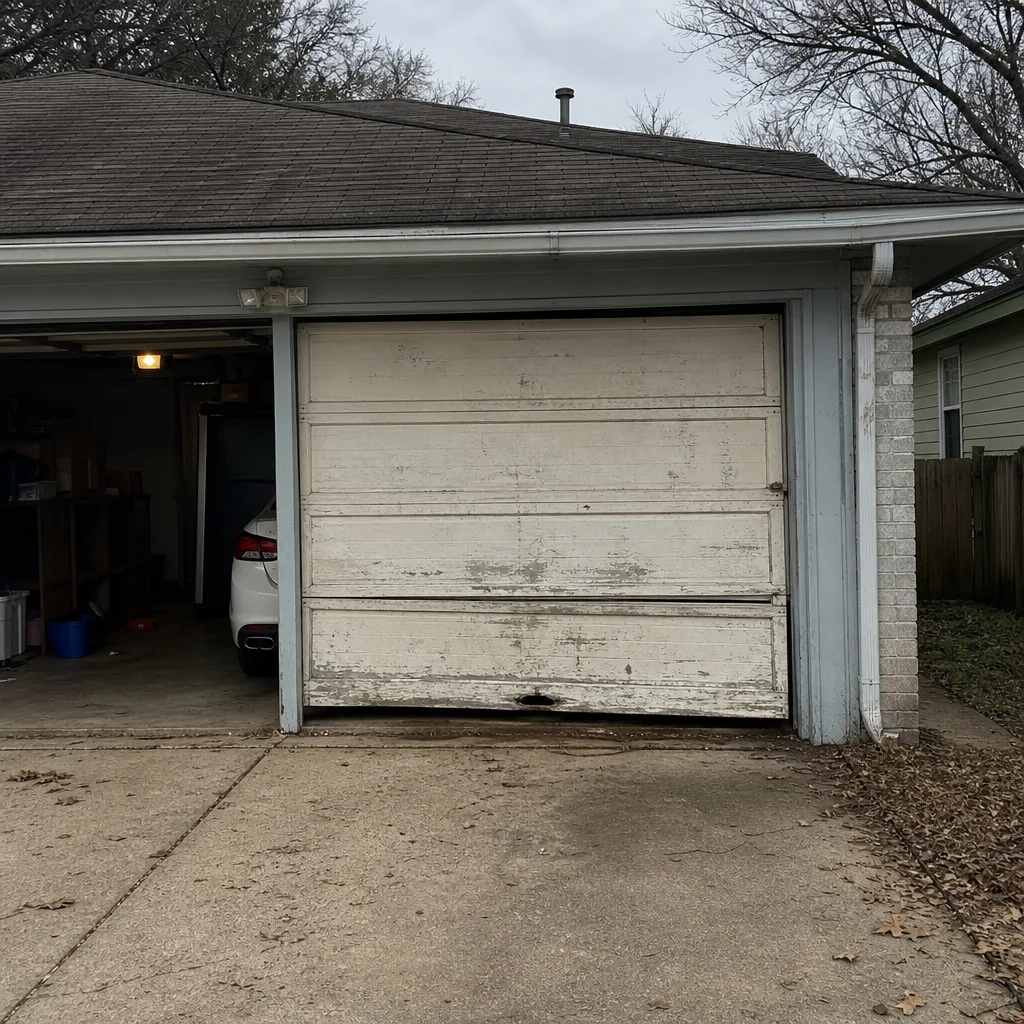 Before
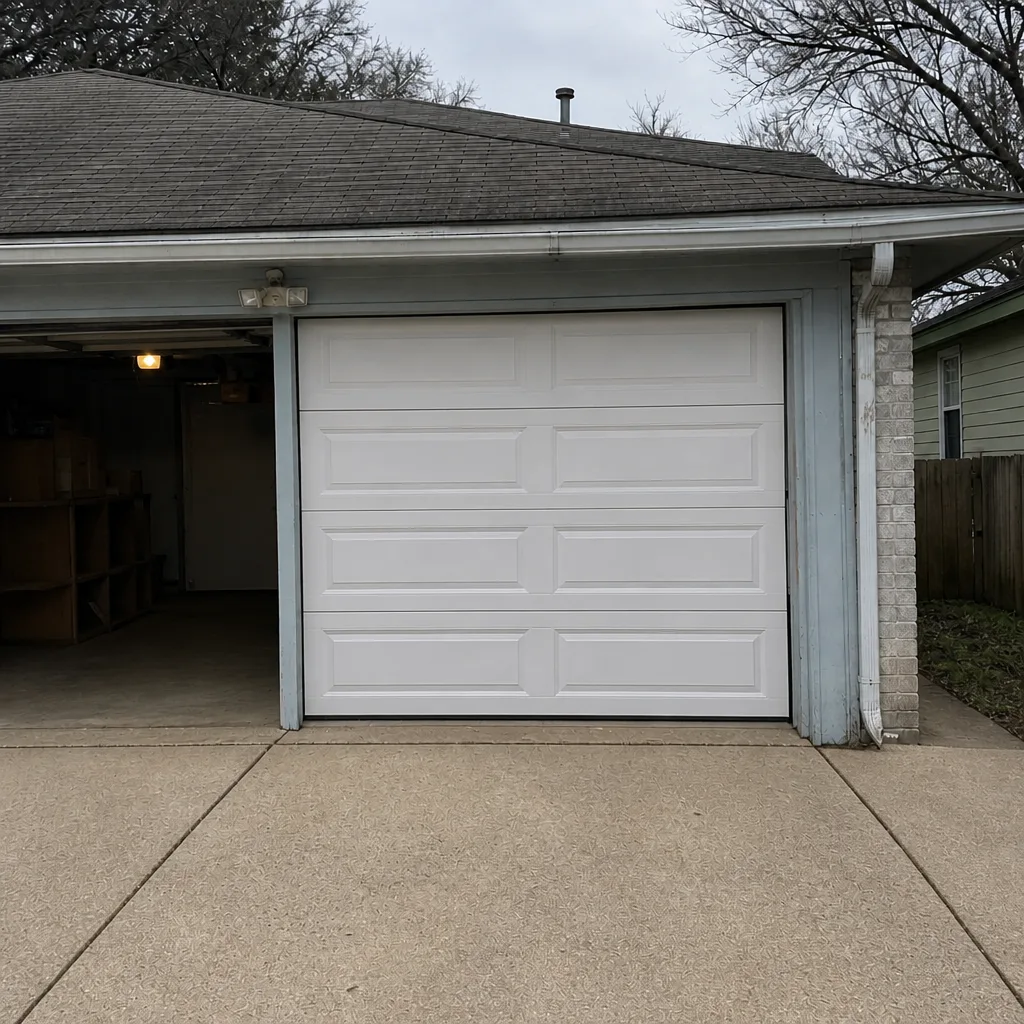 After
When to Call a Professional
A professional should handle anything involving springs, cables, torsion hardware, a door off its tracks, a solid safety reverse failure, or any opener that’s popping a board or a gear. These are the parts of the system where a mistake can hurt someone, and where the repairs are usually less expensive than the damage a failed part causes. We work on the major residential door brands, whether it’s a Clopay, Amarr, Wayne Dalton, Craftsman or another name on the label, and we repair first unless replacement is genuinely the right call.
In Waco, the time to call is at the first sign of a problem, not after a breakdown. If you’re seeing new noise, spring strain, rust that’s spreading or a seal that won’t shut, call. Our Waco Garage Door Service team offers free estimates in Waco. Call (855) 916-7192. We answer 24/7. Fast dispatch from 7am to 7pm, Sunday through Friday. Every price is quoted and agreed before any work starts, and the written estimate is the final price.
Frequently Asked Questions
Twice a year, in spring before storm season and in late fall before freeze risk, plus a five-minute walk-around each month. That’s the schedule that fits Waco’s climate, since humidity and heat do most of the wear and the climate never fully shuts the door down the way colder regions do. Call (855) 916-7192 for a quote on any repairs the inspections turn up. Estimates are free.
For repair calls, usually yes. We answer 24/7, with fast dispatch from 7am to 7pm, Sunday through Friday, and same-day service is common on repairs we can get to in that window. A call outside dispatch hours is booked into the next opening. Call (855) 916-7192 for an exact answer on your situation.
Per spring. Matched pairs are usually replaced together, which means a pair costs about twice the single-spring estimate. The written estimate sets the final price, and we quote it before any work starts, so you know what you’re paying for before we touch the door.
Usually, if the door is balanced and running smoothly. Heat is hardest on openers when the door is binding or heavy, because the motor is straining to do work it shouldn’t have to do. Lubricate the rollers and hinges, and get any binding fixed. If the opener is popping or grinding, call (855) 916-7192 for diagnosis.
Do the fall inspection before cold weather arrives: check the cables visually, replace a worn bottom seal, confirm the opener battery if you have one, and clear drainage away from the door. Don’t overtighten hardware, don’t touch the springs, and if the door is already running rough, get it looked at before the first freeze night. Call (855) 916-7192 to schedule an inspection.
Our technicians are experienced, and our team is what handles every job we schedule. Our technicians have up to 11 years of experience across the major door and opener brands, and we work on the equipment you already have, whether that’s a Genie opener, a Chamberlain unit or a Clopay door. Call (855) 916-7192 with your questions and we’ll give you a straight answer before you book.
No. The written estimate is the price. We look at the door, quote the repair, and you approve it before any work starts, so a low estimate doesn’t turn into a bigger invoice. Call (855) 916-7192 for a free estimate.
The Bottom Line
Waco’s climate reads as one hot season, one mild winter with the occasional ice event, and two shoulder seasons where humidity does the real work. A two-inspection-a-year routine fits that calendar: one in early spring before storm season, one in late fall before freeze risk, plus a five-minute walk-around each month. Focus on humidity control, seal and track checks, backup power and a light-touch approach to winterizing. Leave the springs alone. When something looks off, call early, because catching wear before a breakdown is always the cheaper route. We’re glad to be the door specialists you can call in Waco.
Call (855) 916-7192 for a free estimate. We answer 24/7. Fast dispatch from 7am to 7pm, Sunday through Friday. Our team works on the door and opener brand you already have, from Chamberlain and Genie openers to Clopay and Amarr doors, and we repair first unless replacement is genuinely the right call.
Written by the team at Waco Garage Door Service.